
How Should Snow Pants Fit a Child? A Parent’s Guide to Winter Gear Sizing
Buying snow pants for kids can feel surprisingly complicated. Children grow quickly, sizing varies between brands, and parents often hope to find winter gear that lasts longer than just one season. Add in the fact that winter weather can be unpredictable - with snow, slush, wind, and freezing temperatures - and choosing the right fit becomes even more important.
If you’re wondering how snow pants should fit a child, the goal is simple: snow pants should keep kids warm and dry while allowing plenty of freedom to move, climb, run, and play comfortably outdoors.
Well-fitting snow pants help children enjoy winter adventures without distraction. Whether they’re sledding down hills, building snow forts, or walking to school on cold mornings, the right fit makes all the difference.
This parent-friendly guide will help you understand exactly how snow pants should fit so you can confidently choose winter gear that supports active outdoor play.
Where Snow Pants Should Hit on a Child’s Legs
One of the most important aspects of snow pants fit is length. Snow pants that are too short can allow snow and cold air to enter, while pants that are too long can drag on the ground and become wet or icy.
Ideally, snow pants should:
-
Reach the top of a child’s winter boots
-
Fully cover socks and base layers
-
Not drag on the ground when standing or walking
-
Allow comfortable bending, climbing, and sitting
It’s important to remember that snow pants naturally ride up slightly when kids move. When children sit on sleds, climb snowbanks, or squat down to build snowmen, the fabric may shift upward. This is completely normal. However, even during movement, snow pants should still provide enough coverage to keep snow from getting inside boots.
Snow entering boots can quickly lead to cold, damp feet - one of the most common reasons kids want to head indoors sooner than planned. Proper length helps extend outdoor playtime and keeps children comfortable in winter conditions.
Parents should also check how snow pants look and feel when layered over thick winter socks and boots. Trying gear on together helps ensure the overall fit works in real-life winter situations.
How Snow Pants Should Fit at the Waist
The waist is another critical area when evaluating snow pants fit. Snow pants should feel secure enough to stay in place during active play but still comfortable enough to allow layering underneath.
A good waist fit means snow pants:
-
Stay up without constant adjusting
-
Allow room for thermal base layers or fleece pants
-
Do not pinch, squeeze, or restrict movement
-
Feel comfortable when sitting or bending
Because many children wear multiple layers in cold weather, a slightly adjustable waist can be helpful. Features like elastic waistbands, adjustable tabs, or suspender-style bib designs can improve overall comfort and functionality.
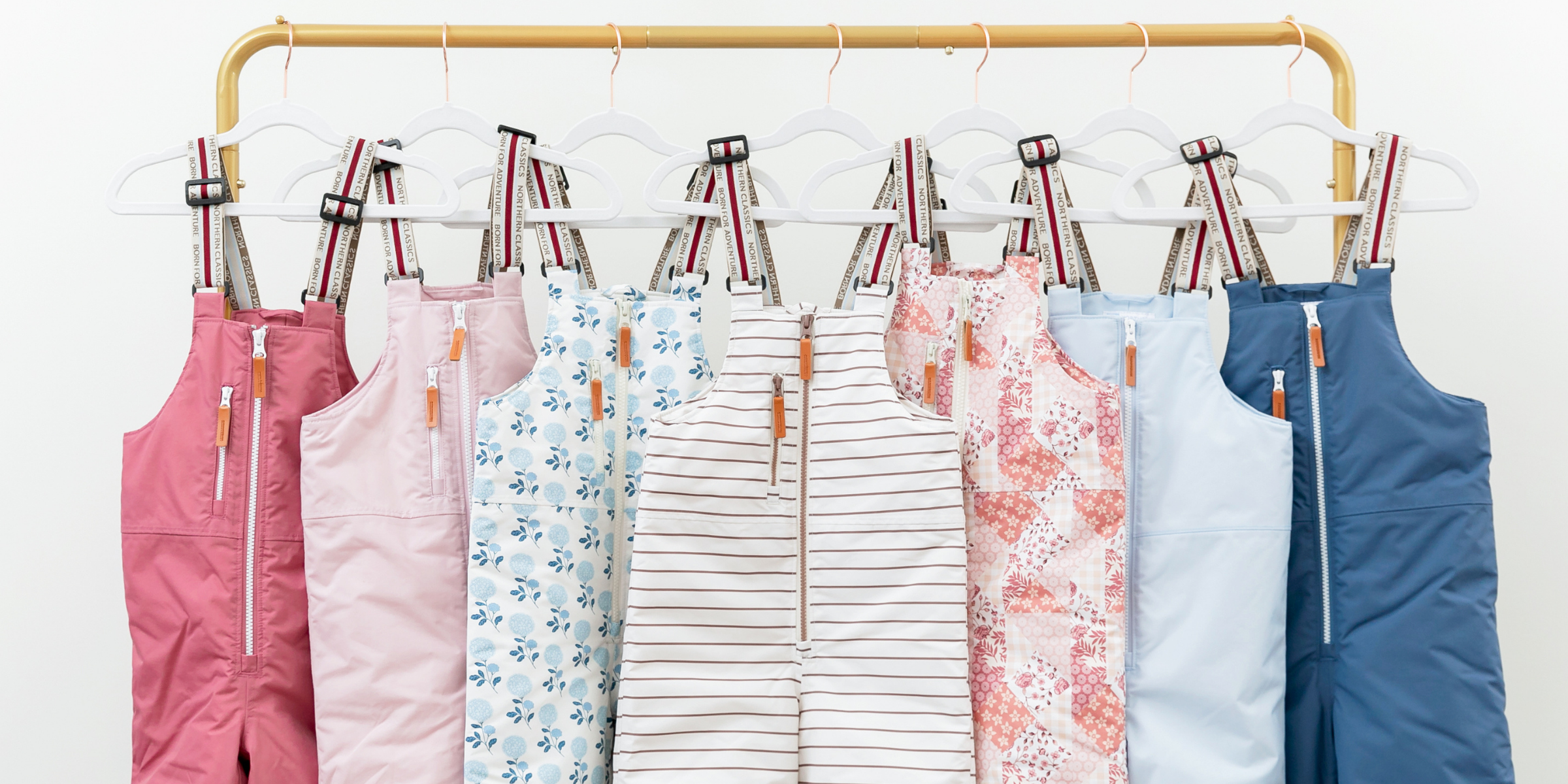
Bib snow pants are especially popular among families with younger children. They provide extra warmth across the torso and help prevent snow from getting inside jackets or pants during active outdoor play.
Ultimately, the waist should feel supportive but not tight. Kids should be able to move freely without feeling restricted or uncomfortable.
Room to Move: The Mobility Test
Winter play is rarely calm or stationary. Kids run, jump, climb, roll in the snow, and explore their environment with enthusiasm. Because of this, mobility is one of the most important factors when choosing snow pants.
A simple way to check fit is by doing a quick mobility test. Have your child try to:
-
Squat down fully
-
Climb stairs or step onto furniture
-
Sit cross-legged on the floor
-
Run or jump in place
If snow pants feel stiff, tight, or difficult to move in, they may be too small or not designed for active outdoor play. Well-fitting snow pants should allow a full range of motion so kids can participate in winter activities without limitation.
Comfortable movement not only improves the play experience but also helps children stay warmer. Physical activity naturally generates body heat, which is essential for staying comfortable in cold weather.
Should Snow Pants Be a Little Big?
Many parents intentionally size up when buying winter gear. Since children grow quickly, choosing a slightly larger size can help snow pants last more than one season. This approach can be practical and budget-friendly when done thoughtfully.
Snow pants can be a little big as long as:
-
Hems do not drag on the ground
-
Kids can walk and run safely
-
The waist still feels secure
-
Excess bulk does not interfere with movement
Some winter gear includes “grow-with-me” design features that make sizing up easier. Adjustable cuffs, extendable hems, or ankle snaps can help customize length as children grow. These thoughtful details allow families to maximize wear without sacrificing comfort or safety.
Parents should aim for a balance between growing room and functional fit. Snow pants that are dramatically oversized may make outdoor play more difficult rather than more practical.
Signs Snow Pants Are Too Small
Snow pants that are too small can limit warmth, comfort, and mobility. Tight winter gear may also reduce the effectiveness of insulating layers, making it harder for kids to stay warm outdoors.
Watch for these signs that snow pants are too small:
-
Pants ride up noticeably above winter boots
-
Tightness across hips, thighs, or knees
-
Difficulty bending, squatting, or climbing
-
Waist feels restrictive over layered clothing
-
Complaints about discomfort during active play
If children frequently pull at their snow pants or avoid certain movements, it may be time to size up. Comfortable winter gear helps encourage longer outdoor play sessions and more positive winter experiences.
Signs Snow Pants Are Too Big
While extra room can be helpful, snow pants that are too large can also create challenges. Oversized gear may interfere with movement or cause children to trip while walking or running.
Look out for these signs of snow pants that are too big:
-
Hems drag on the ground or become soaked
-
Pants slide down during activity
-
Excess fabric bunches around knees or ankles
-
Bulky layers make movement awkward
Properly fitting snow pants should feel secure and streamlined while still allowing space for growth and layering. The best fit supports both comfort and confidence during winter play.
Why Proper Snow Pants Fit Matters
Well-fitting snow pants do much more than complete a winter outfit. They play a major role in keeping kids warm, dry, and protected from the elements.
Proper fit helps:
-
Prevent snow from entering boots or clothing
-
Maintain insulation by supporting effective layering
-
Allow easy movement for sledding, climbing, and exploring
-
Reduce exposure to cold air and wind
-
Extend the amount of time children can comfortably play outdoors
When winter gear fits correctly, children are more likely to stay active and engaged outside. This supports physical health, emotional well-being, and confidence in outdoor environments.
Helping Kids Enjoy Winter Outdoor Adventures
Winter offers unique opportunities for exploration and creativity. Snow-covered landscapes encourage imaginative play, physical challenges, and memorable family experiences. From sledding down neighborhood hills to building elaborate snow forts, outdoor winter play helps children develop resilience and independence.
The right winter gear makes these moments possible. Durable, thoughtfully designed snow pants help ensure kids remain comfortable even in cold or wet conditions. Parents who invest time in choosing the right fit often find their children are more eager to head outside - and stay outside longer.
Ultimately, properly fitting snow pants support a mindset that embraces winter rather than avoids it. With warmth, mobility, and confidence, kids can fully experience the magic of the season.
When children are comfortable in their winter clothing, snowy days become opportunities for adventure instead of obstacles to overcome. And for many families, those frosty outdoor moments turn into some of childhood’s most joyful memories.


Leave a Comment
This site is protected by hCaptcha and the hCaptcha Privacy Policy and Terms of Service apply.