

How to Dress Kids for Winter: The Complete Cold Weather Guide for Parents
How to Dress Kids for Winter
When winter arrives, many parents ask the same question: how should kids be dressed for cold weather?
Children love playing outside in the winter. From sledding hills and snowy playgrounds to ski school and backyard snow forts, winter offers endless opportunities for adventure. But staying outside comfortably requires the right clothing.
If kids are underdressed, they can become cold quickly. If they are overdressed, they may overheat once they start running and playing.
The key to dressing kids for winter is layering properly and choosing outerwear designed for cold weather activities.
In this guide, we’ll explain:
-
How layering works for winter
-
What clothes kids need for cold weather
-
How to dress children for snow and skiing
-
What to look for in a winter jacket
-
Tips for keeping kids warm all winter long
Why Kids Get Cold Faster Than Adults
Children experience cold weather differently than adults. Their bodies are smaller and they lose heat faster, especially when they are standing still.
At the same time, kids tend to move constantly while playing outside. Running, climbing, sledding, and skiing generate body heat.
This combination means kids need clothing that keeps them warm while allowing their body temperature to adjust during activity.
The best way to do this is with a layering system.
The Three-Layer System for Kids Winter Clothing
Outdoor experts often recommend a three-layer clothing system for cold weather.
This approach allows children to stay warm while giving parents the flexibility to adjust layers depending on temperature and activity level.
1. Base Layer: Keeping Kids Dry
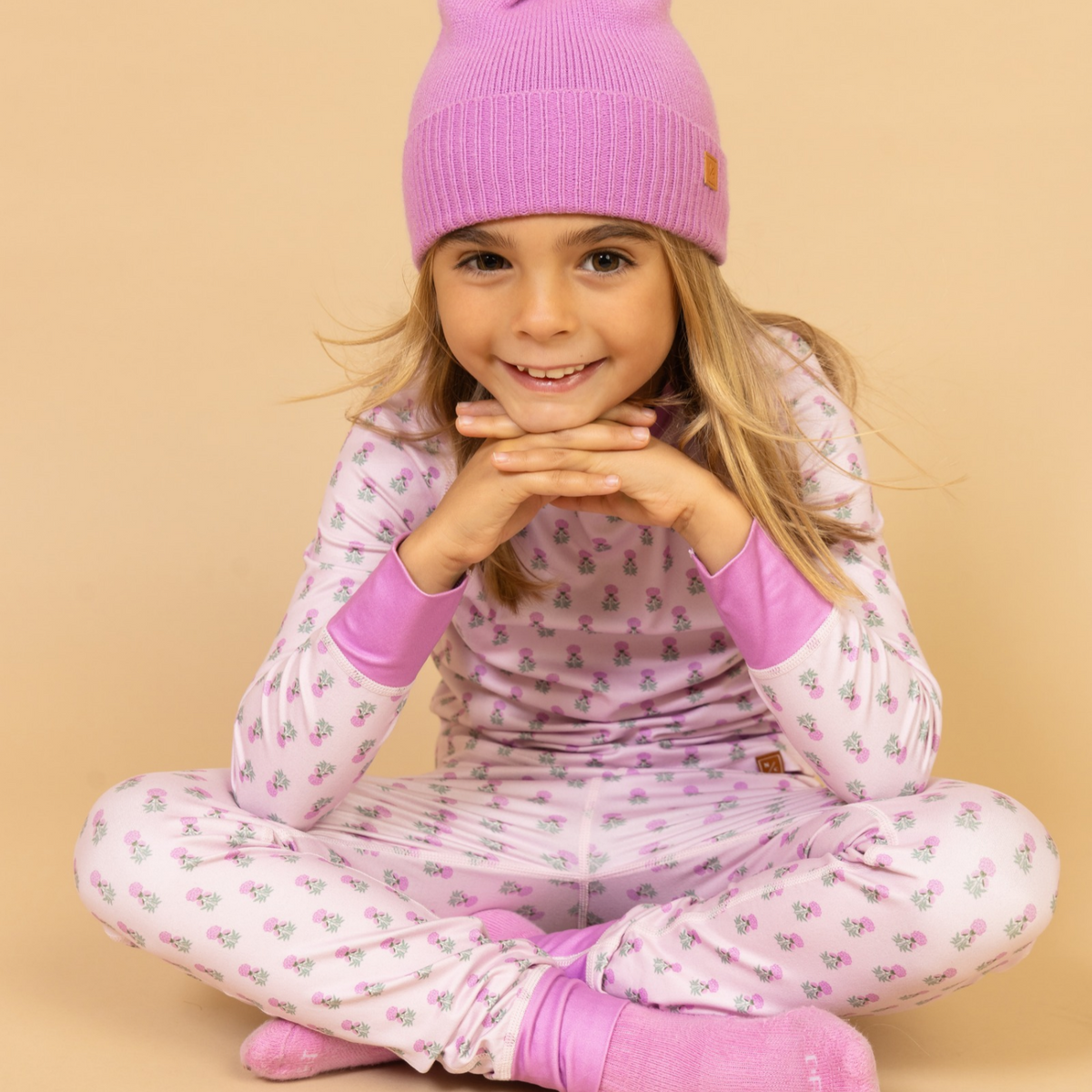
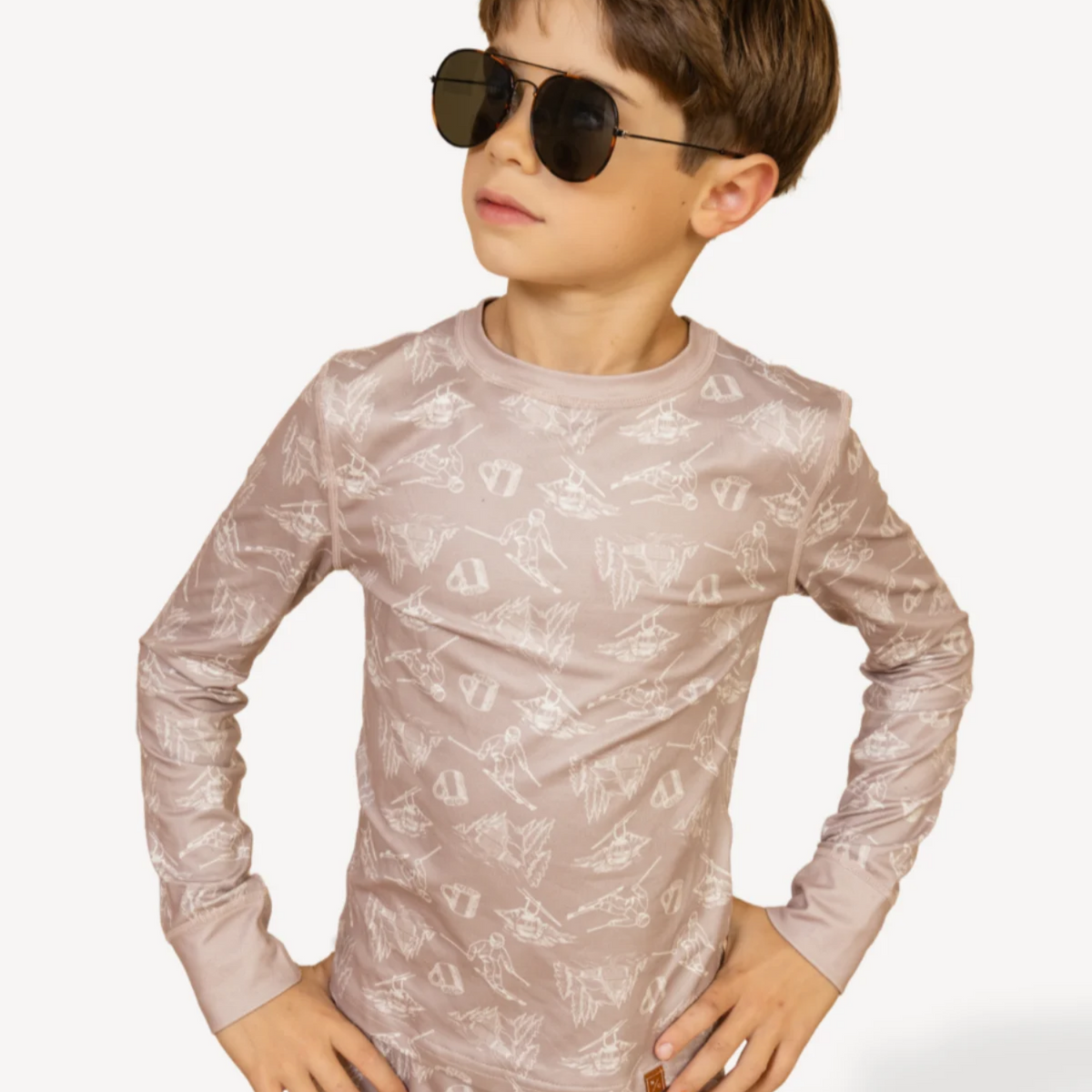
The base layer sits directly against a child’s skin. Its primary job is to manage moisture.
Even in cold weather, kids sweat when they play outside. If sweat stays against their skin, they can become cold quickly.
A good base layer pulls moisture away from the body so kids stay dry.
Best base layer materials for kids
Look for materials such as:
-
Merino wool
-
Moisture-wicking synthetics
-
Performance fabrics designed for winter sports
Avoid cotton for base layers because it holds moisture and can make kids feel colder.
2. Mid Layer: Providing Insulation
The mid layer is responsible for trapping warmth.
This layer helps retain body heat while still allowing moisture from the base layer to escape.
Common mid-layer options include:
-
fleece jackets
-
lightweight insulated layers
-
wool sweaters
For very cold days, children may wear two mid layers.
3. Outer Layer: Protecting Against Weather
The outer layer is the most important piece of winter clothing.
A high-quality winter jacket protects kids from:
-
wind
-
snow
-
cold temperatures
-
moisture
The best winter coats provide warmth without making kids feel bulky or restricted.
This is where investing in well-designed outerwear makes the biggest difference.
How to Dress Kids for Snow Play
Snow play requires clothing that keeps kids warm and dry.
Whether children are sledding, building snowmen, or playing at recess, snow can easily soak into regular clothing.
To keep kids comfortable:
-
Choose waterproof outerwear
-
Use insulated jackets
-
Make sure sleeves and collars fit snugly
-
Pair jackets with snow pants
Snow gear designed for winter conditions allows kids to stay outside longer without getting wet.
How to Dress Kids for Skiing
Skiing introduces additional challenges because kids spend long periods outside in cold mountain conditions.
When preparing children for skiing or ski school, focus on three priorities:
Warm insulation
Mountain temperatures can be colder than cities, especially on chairlifts.
Waterproof protection
Snow exposure is constant while skiing.
Comfortable movement
Kids need to move freely while learning to ski.
The right ski jacket helps balance warmth and mobility.
What to Look for in a Kids Winter Jacket
Not all winter jackets are designed the same way.
Parents looking for the best kids winter coats should prioritize several key features.
Warm insulation
High-quality insulation helps trap heat and maintain warmth during cold temperatures.
Look for jackets designed specifically for winter conditions rather than lightweight fall coats.
Waterproof
Snow and wet weather can quickly make children cold.
Waterproof outer fabrics help keep moisture out and maintain warmth.
Durable construction
Kids put their clothing through a lot. Jackets should be able to withstand playgrounds, sledding hills, and everyday winter wear.
Functional features
Some coats include thoughtful details that make winter activities easier for kids, such as:
-
ski pass pockets
-
reflective trim
-
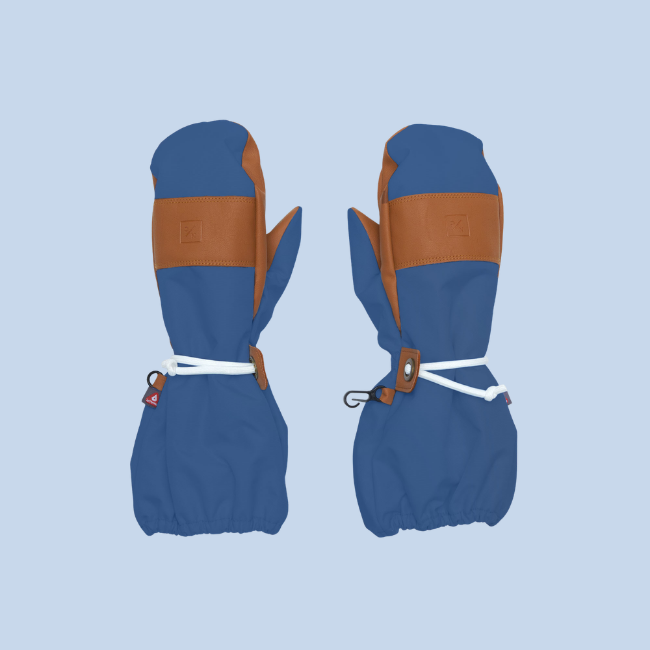
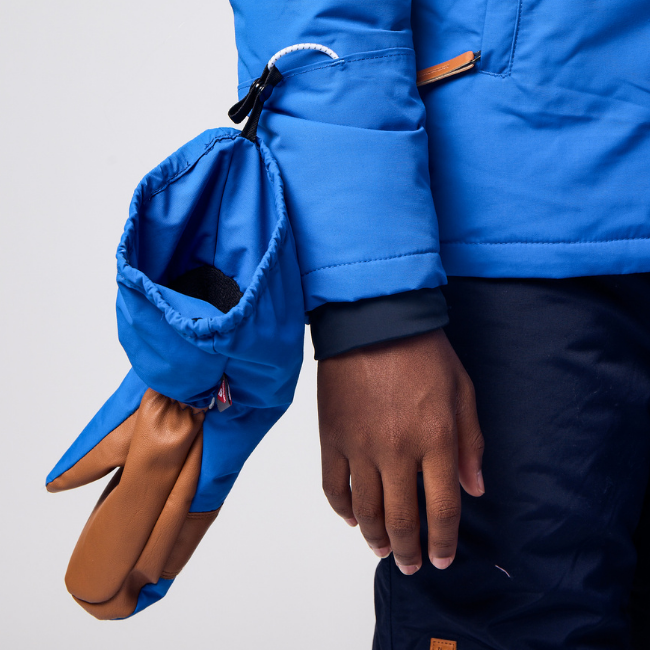
mitten loops
-
adjustable hoods
These small details can make a big difference during winter adventures.
Why the Right Winter Jacket Matters
A well-designed winter jacket helps kids stay outside longer.
When children are warm and comfortable, they can focus on playing, exploring, and enjoying winter rather than worrying about being cold.
Many families find that investing in a high-quality jacket allows their kids to stay active outdoors throughout the entire winter season.
Northern Classics Kids Winter Coats
Northern Classics designs winter outerwear specifically for kids who love outdoor adventures.
Our jackets are built for real winter conditions and designed with thoughtful features that support the way kids actually play.
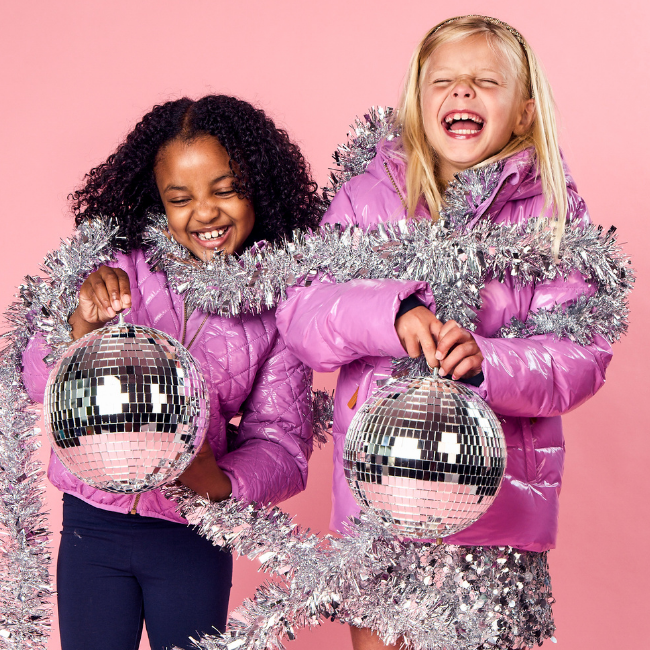
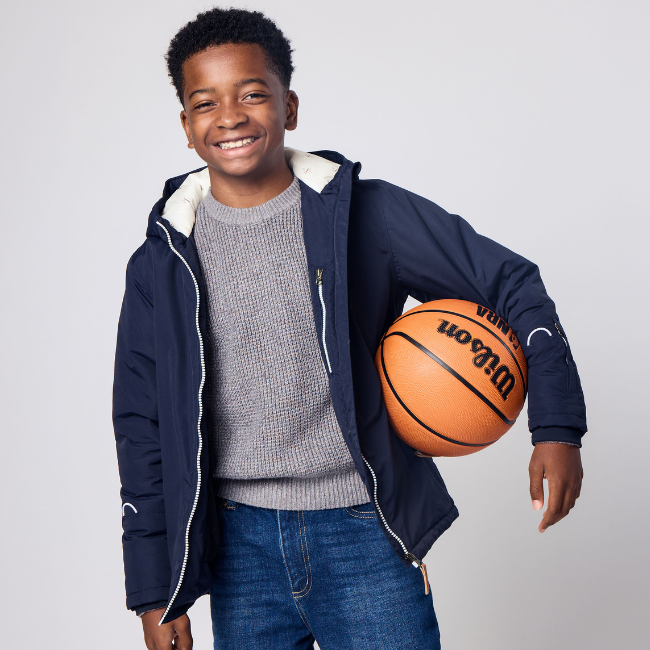
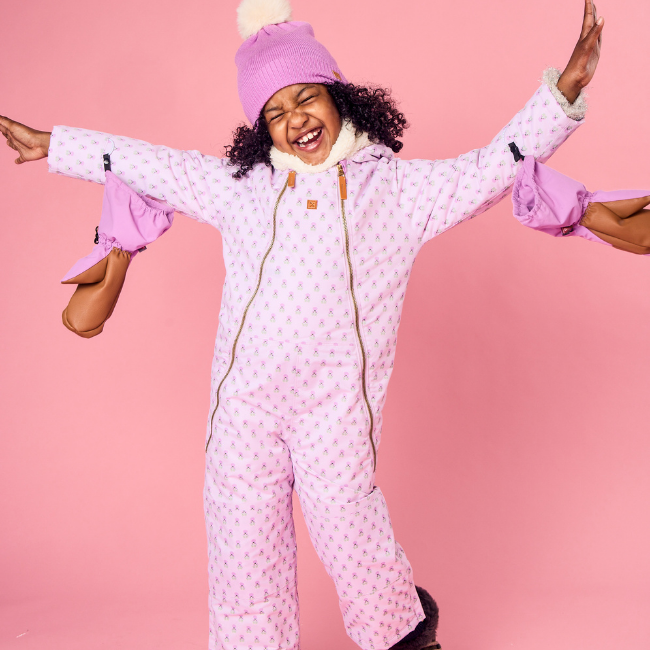
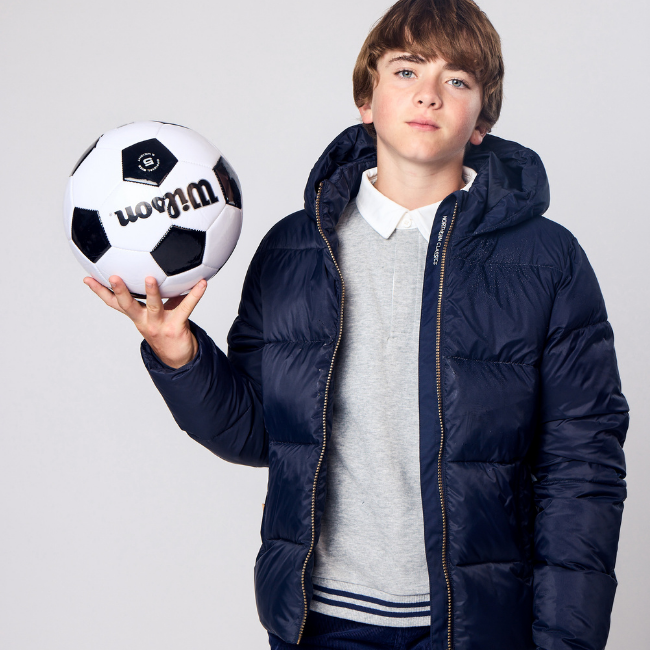
This is the coat built for winter adventures. It’s warm, water-resistant, and designed to keep kids comfortable without the bulk. Thoughtful details - like mitten loops that keep mittens attached, a ski pass pocket on the sleeve, and reflective trim for low-light visibility - make it as functional as it is durable. Ready for snow days, ski days, and everything in between.
Whether children are walking to school, learning to ski, or exploring outside after a snowstorm, Northern Classics coats are designed to keep them warm and comfortable.
Winter Clothing Checklist for Kids
Before heading outside in cold weather, parents can use this checklist to make sure kids are dressed appropriately.
Essential winter clothing
-
base layers
-
fleece or mid layer
-
warm socks
- neck warmer
-
snow pants for deep snow
-
waterproof boots
Having the right clothing makes winter outdoor play much more enjoyable.
Why Winter Outdoor Play Matters
Cold weather shouldn’t keep kids inside.
Outdoor play in winter helps children:
-
build physical strength
-
improve coordination
-
develop independence
-
connect with nature
Many of the best childhood memories happen outside during snowy winter days.
With the right clothing, kids can safely enjoy everything winter has to offer.
Final Thoughts: Helping Kids Stay Warm All Winter
Learning how to dress kids for winter helps them stay comfortable while enjoying outdoor adventures.
By layering properly and choosing warm, durable outerwear, parents can ensure their children are prepared for snow days, ski trips, and everyday winter play.
The right winter coat plays a key role in keeping kids warm and ready to explore.
FAQ: Dressing Kids for Winter
How many layers should kids wear in winter?
Most children stay comfortable with a three-layer system: a base layer, mid layer, and insulated outer jacket.
Should kids wear snow pants?
Snow pants are helpful when children will be playing in deep snow, sledding, or skiing.
How do I know if my child is warm enough?
Check their neck or back periodically. If they feel warm but not sweaty, they are likely dressed appropriately.


Leave a Comment
This site is protected by hCaptcha and the hCaptcha Privacy Policy and Terms of Service apply.