

How to Organize Kids’ Winter Gear (So Nothing Gets Lost)
Every winter, parents face the same challenge: winter coats piled by the door, mismatched mittens, damp snow pants, and boots scattered across the floor right when it is time to head outside.
When kids are excited to play in the snow, the last thing anyone wants is a frantic search for missing gear. But for many families, that scramble becomes part of the daily winter routine. One child cannot find a mitten. Another has boots in the wrong spot. Someone’s hat is still wet from the day before. By the time everyone is dressed, the mood has shifted and the process feels harder than it should.
The good news is that organizing kids’ winter gear does not have to be complicated. A simple system can make winter mornings smoother, after-school outdoor time easier, and snow-day adventures much less stressful. With the right setup, families can spend less time searching for gear and more time actually enjoying the season.
Whether you have toddlers, school-aged kids, or a house full of winter layers, these practical tips can help you create a system that keeps winter coats, snow pants, boots, hats, and mittens organized all season long.
Why Organizing Kids’ Winter Gear Matters
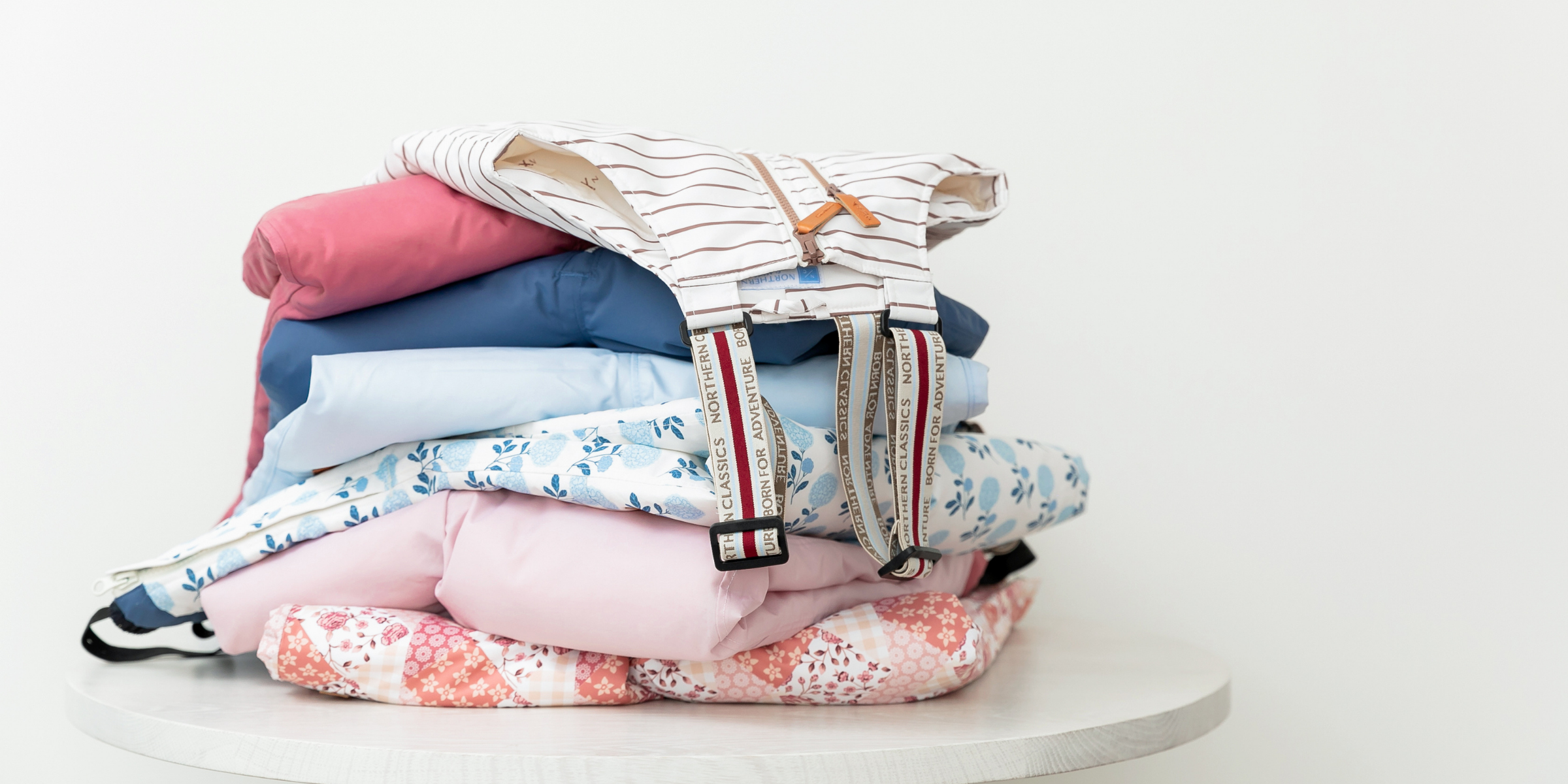
Winter gear tends to multiply quickly. Between winter coats, snow bibs, snow pants, mittens, hats, fleece layers, neck warmers, and boots, families can end up managing a surprising amount of outerwear every single day.
And unlike everyday clothing, winter gear often comes inside wet, muddy, or covered in snow. That means it needs more than just a place to be tossed. It needs a place to dry, a place to be stored, and a routine that makes it easy to find again the next time kids head outside.
When winter gear is organized well, a few important things happen:
-
kids can get dressed faster
-
parents spend less time looking for missing items
-
gear dries properly between uses
-
coats and accessories stay in better condition
-
it becomes easier to say yes to spontaneous outdoor play
In other words, organization makes winter feel more manageable.
Create a Dedicated Winter Gear Station
One of the easiest ways to keep kids’ winter gear organized is to create a specific place where everything lives. This does not need to be elaborate. It can be a mudroom, a hallway corner, a section of the laundry room, or simply a small area near the door most often used to go outside.
The goal is to give winter gear a home.
A simple winter gear station might include:
-
wall hooks for each child’s winter coat and snow pants
-
baskets or bins for hats and mittens
-
a bench or stool for putting on boots
-
a tray or mat underneath for wet shoes and boots
Having one dedicated zone for all winter gear makes it much easier for kids to know where things belong. It also keeps the mess contained, which can make the whole house feel more manageable during snowy months.
When everything has a consistent place, the process of getting out the door becomes much smoother.
Give Each Child Their Own Space
One of the best ways to organize kids’ winter gear is to make it personal.
Kids are much more likely to put things away when they know exactly where their belongings go. That is why assigning each child their own hook, basket, and boot space can make such a difference.
Consider setting up:
-
one hook for each child’s winter coat
-
one hook or lower hanger for snow pants or bibs
-
one basket for each child’s hat, mittens, and accessories
-
one boot tray spot per family member
If you have younger children, labels can be especially helpful. You can use names, picture labels, or even color-coded bins to make the system easy to understand. The simpler the setup, the more likely kids are to use it consistently.
This approach also reduces mix-ups. Instead of digging through a pile of winter gear, each child knows which items belong to them and where to find them.
Keep Mittens Attached to the Winter Coat
If there is one item most likely to disappear during winter, it is the mitten.
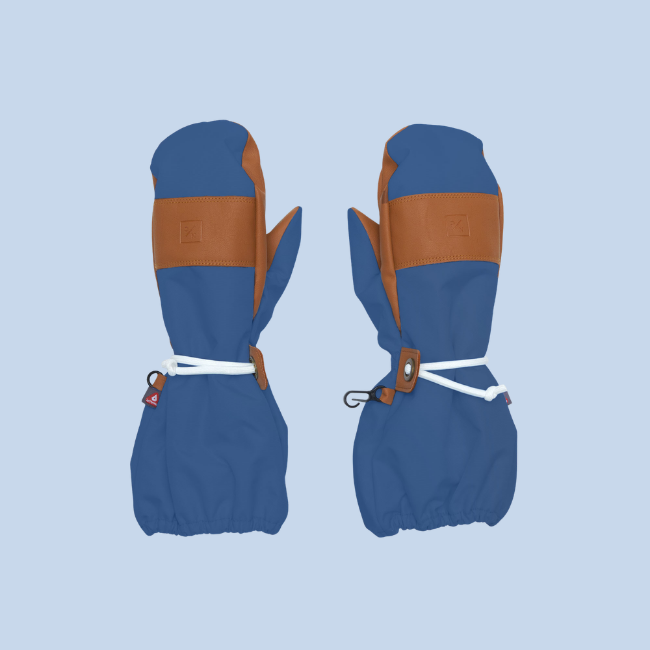
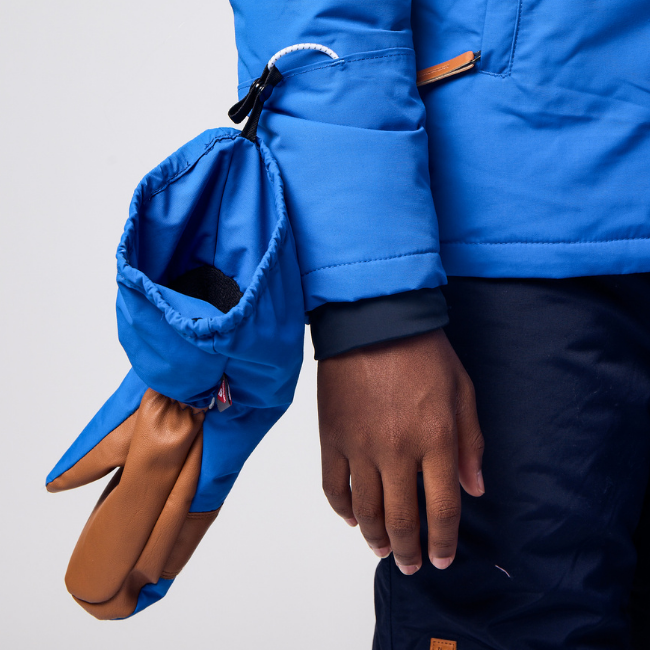
Lost mittens are one of the biggest frustrations for parents during cold-weather months. They fall out of sleeves, get left in cars, end up in backpacks, or disappear somewhere between outdoor play and coming back inside. That is why one of the smartest winter organization strategies is also one of the simplest: keep mittens attached to the winter coat.
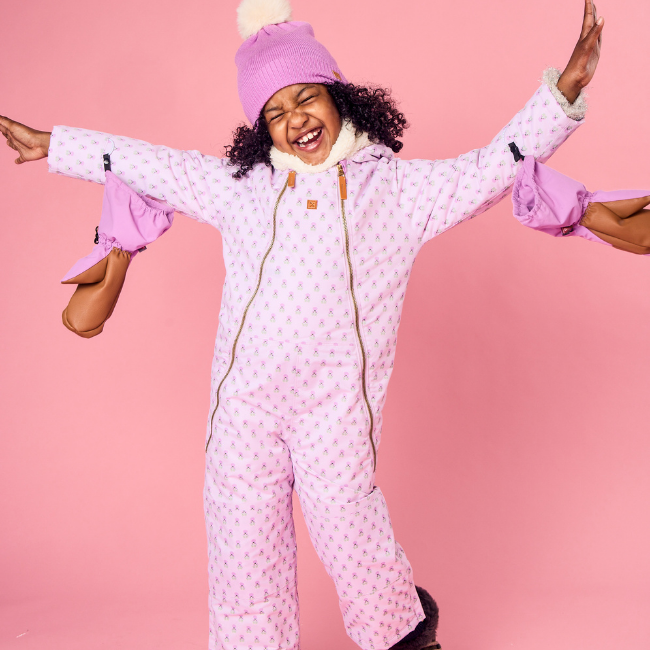
Many parents use mitten clips or built-in attachment systems to connect mittens directly to outerwear. This keeps mittens with the coat when they are not being worn and makes them much easier to find when it is time to head outside again.
It also helps with drying. Instead of tossing wet mittens onto a counter or into a pile, attached mittens can hang right alongside the coat and dry more easily between uses.
This one small habit can eliminate a surprising amount of daily stress.
Create a Drying Area for Wet Gear
Winter gear rarely comes inside dry. Snow pants, mittens, hats, and boots often come back damp after sledding, recess, ski days, or even just playing in the backyard. If wet gear gets tossed in a pile, it may still be damp the next time your child needs it.
That is why every winter gear setup should include a drying area.
A good drying area might include:
-
hooks for hanging snow pants or bibs
-
a drying rack for mittens and hats
-
a waterproof mat or tray for boots
-
a nearby laundry basket for heavily wet base layers or socks
This does not need to be a separate room. It just needs to be intentional. The goal is to create a clear place where wet gear goes first before it is returned to its regular spot.
Drying winter gear properly helps maintain warmth, comfort, and fabric performance. It also helps prevent odors and keeps kids much more comfortable the next time they head outside.
Store Extra Layers Nearby
A well-organized winter setup should not stop with outerwear. Cold-weather play often requires extra layers, and those layers are much easier to grab when they are stored close to the rest of your winter gear.
Keep a few common items near your gear station, such as:
-
fleece pullovers
-
thermal leggings or base layers
-
extra socks
-
neck warmers
-
backup hats and mittens
Parents often find that keeping these extras nearby prevents last-minute scrambles. If one pair of mittens is still drying or a child needs another warm layer, you do not have to search through bedrooms or laundry baskets. Everything you need is already together.
This is especially helpful on extra-cold days when layering matters most.
Choose Winter Gear That Is Easy to Organize
Good organization starts with good systems, but it also helps to have gear that supports those systems.
Well-designed winter gear can make daily routines much easier. Winter coats that are easy to hang, snow pants that hold their shape, and mittens that can stay attached all make the process feel more manageable. Durable outerwear also tends to hold up better to repeated hanging, drying, and everyday wear.
Thoughtful features can make a real difference. For example, built-in mitten clips help keep accessories connected to the winter coat. Strong hanging loops make outerwear easier for kids to manage independently. Durable materials help gear stay looking good and performing well even with everyday winter use.
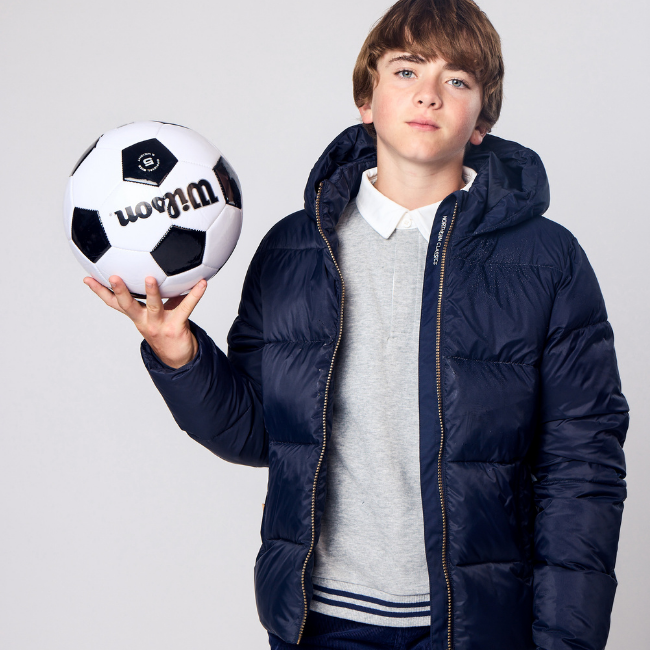
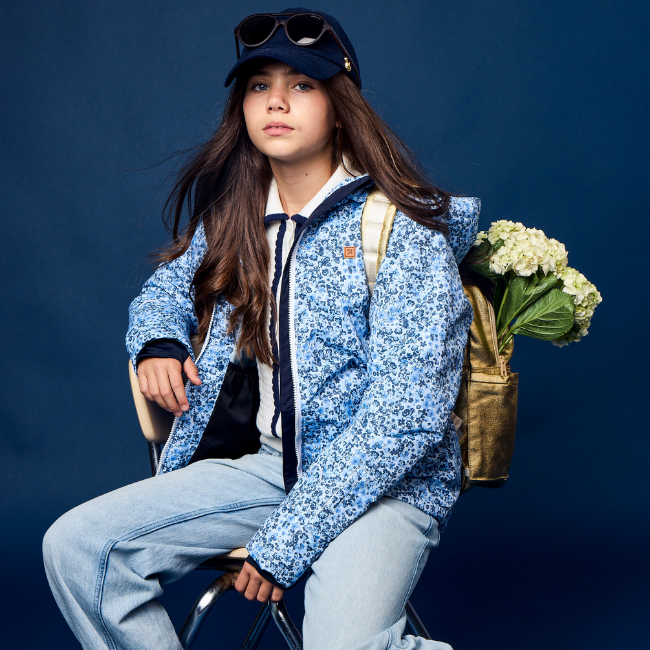
Many families choose winter clothing from Northern Classics because practical details are built into the design. Features like built-in mitten clips and durable construction help keep gear organized and ready for real winter play.
When outerwear is made for active kids and everyday use, it naturally becomes easier to live with.
Make Winter Gear Part of the Daily Routine
Even the best storage setup only works if the family uses it consistently. That is why routine matters so much.
Encourage kids to follow a simple process every time they come inside:
-
Hang up the winter coat and snow pants.
-
Put mittens and hats back in the basket.
-
Place boots on the drying mat or tray.
-
Put any wet base layers or socks where they belong.
The more automatic this becomes, the easier winter gear management feels. Kids do not need a perfect system. They just need a simple one they can repeat.
For younger children, it may help to walk through the routine together for the first few weeks. Over time, they begin to understand that winter gear has a home and a sequence. That consistency reduces clutter and helps everyone get back outside faster next time.
Keep the System Simple
One of the biggest mistakes parents can make when organizing winter gear is creating a system that is too complicated to maintain.
The best setup is not the prettiest or the most elaborate. It is the one your family will actually use. That may mean a few hooks and baskets by the door. It may mean labeled bins in a mudroom. It may mean a bench, a tray, and one dependable routine.
Simple systems are easier for kids to understand and easier for parents to keep up with during busy mornings.
If something is not working, adjust it. Move the baskets lower. Add more hooks. Keep backup mittens closer by. Organization does not have to be perfect to be effective.
Make Winter Play Easier for Everyone
Winter offers so many opportunities for childhood adventure: sledding, building snow forts, walking to school in fresh snow, exploring the neighborhood, and staying outside just a little longer because everyone is warm enough to enjoy it.
A good system for organizing kids’ winter gear makes all of that easier.
When winter coats, snow pants, mittens, hats, boots, and extra layers all have a place, families spend less time searching and more time doing. Mornings feel smoother. After-school play feels more realistic. Snow days feel less chaotic.
And when the gear is ready, it becomes much easier to say yes to winter.
The Bottom Line
Organizing kids’ winter gear at home does not have to be complicated. A dedicated winter gear station, a clear place for each child’s belongings, a drying area for wet items, and a simple daily routine can make a huge difference throughout the season.
Keeping winter coats, mittens, snow pants, and boots organized helps families spend less time scrambling and more time enjoying winter together.
Because when kids’ winter gear is easy to find, easy to dry, and easy to put away, getting outside becomes a whole lot easier too.


Leave a Comment
This site is protected by hCaptcha and the hCaptcha Privacy Policy and Terms of Service apply.