

The Ultimate Guide to Dressing Kids for Winter Outdoor Play
Winter does not slow kids down, and it should not have to. Give children fresh snow, a sled, a snow fort, or even just a cold backyard, and they will almost always find a way to turn it into an adventure. Kids want to run, climb, build, explore, and play outside, even when the temperature drops. The key is making sure they are dressed for it.
That is where many parents run into the same challenge every winter. They want their kids to enjoy the outdoors, but they also want them to stay warm, dry, and comfortable. Too many layers can leave kids sweaty and frustrated. Too few layers can leave them cold after just a few minutes. And when outerwear does not perform the way it should, everyone ends up back inside sooner than planned.
The good news is that dressing kids for winter outdoor play does not have to be complicated. Once parents understand how a strong layering system works, it becomes much easier to get children ready for school, recess, snow days, sledding afternoons, ski trips, and everyday cold-weather play.
The goal is simple: help kids stay warm without overheating, and keep them dry enough that they can stay outside longer and enjoy winter more. Your draft lays out the core system clearly: start with a good base layer, add a warm mid layer, finish with waterproof outerwear, and do not forget the accessories.
Here is the ultimate guide to dressing kids for winter outdoor play.
Why Dressing Kids Properly for Winter Matters
Kids move differently than adults in winter. They do not just stand outside for a few minutes and head back in. They kneel in the snow, climb snowbanks, pull sleds uphill, build forts, crawl through tunnels, and race across the yard without slowing down. They also switch quickly between feeling cold, warming up through movement, and getting damp if their clothing is not working properly.
That is why dressing kids for winter is about more than just putting on a warm winter coat. It is about creating a complete system that helps regulate body temperature, manage moisture, and protect against snow, wind, and cold air.
When children are dressed properly for winter outdoor play, a few important things happen:
-
they stay warm longer
-
they stay dry longer
-
they move more comfortably
-
they enjoy being outside more
-
parents worry less about whether they are cold or miserable
The right clothing helps turn winter from something to endure into something to enjoy.
Start With a Good Base Layer
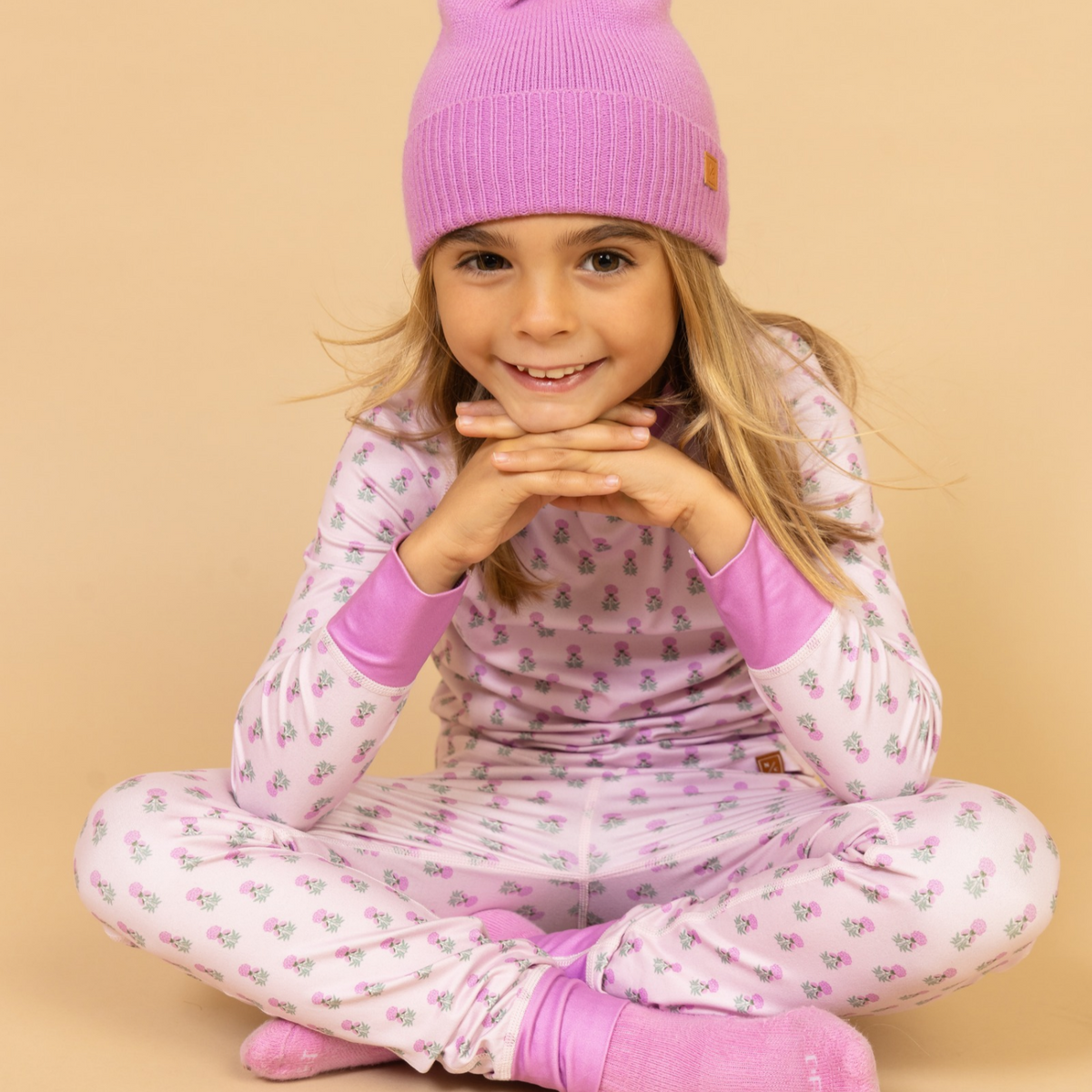
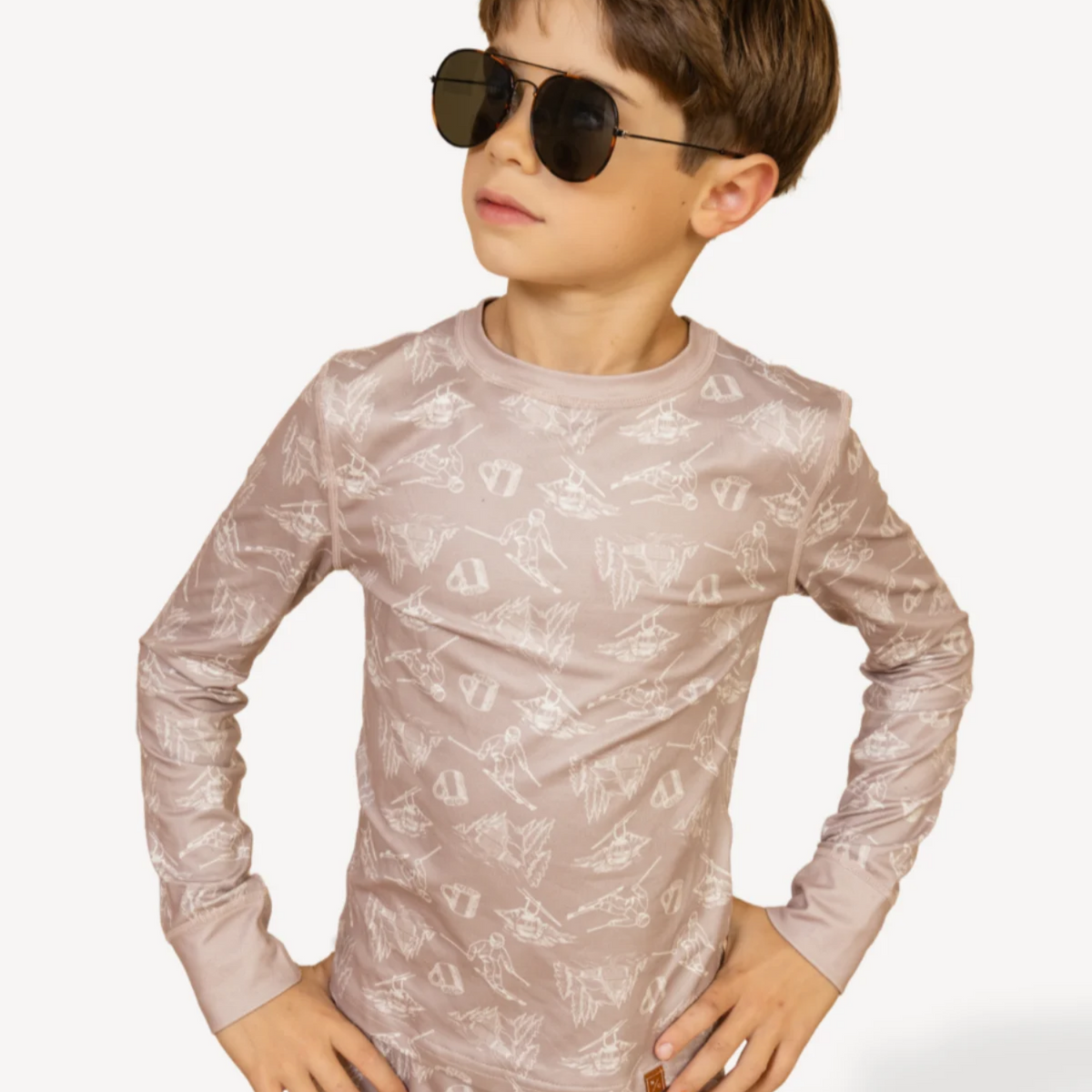
The base layer is the first and most important step in a strong winter outfit. It sits directly against the skin, and its main job is to keep kids dry and comfortable by managing moisture. Your draft emphasizes that the best base layers use soft, breathable fabrics that wick moisture away from the skin.
This matters because kids sweat when they are active, even in freezing weather. If that sweat stays trapped next to the skin, it can leave them feeling chilled once they slow down. A good base layer helps prevent that by pulling moisture away from the body.
What to Look for in a Base Layer
The best base layers for kids are usually made from:
-
performance fabrics
-
lightweight wool blends
-
soft, breathable materials designed to wick moisture
These help children stay dry while still feeling comfortable enough to wear for hours.
What to Avoid
As your draft notes, cotton can trap moisture, which is why many parents prefer alternatives for winter layering. Cotton may feel familiar and soft, but it is not the best option when kids are active in cold weather.
A strong base layer creates the foundation for every other layer to work better.
Add a Warm Mid Layer
Once the base layer is in place, the next step is insulation. That is where the mid layer comes in.
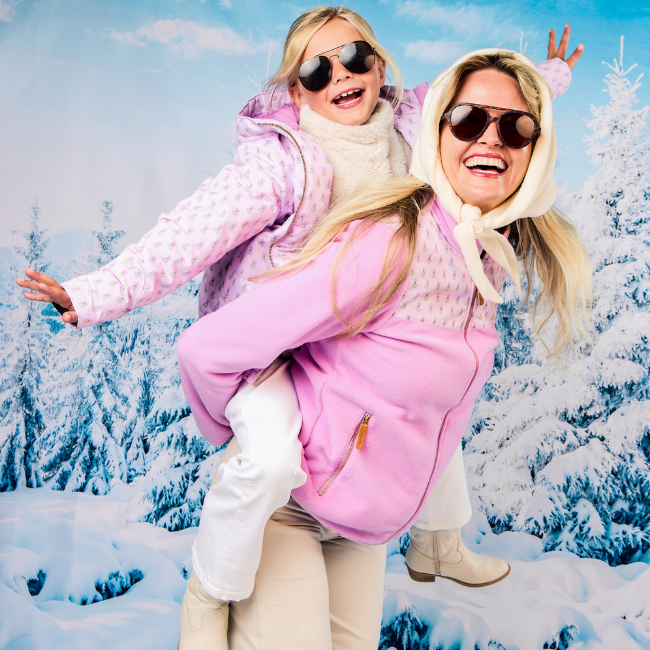
The job of the mid layer is to trap body heat and provide warmth without making kids feel stiff or bulky. Your draft calls out fleece jackets, lightweight sweaters, and insulated pullovers as good options, which is exactly the right idea.
The goal is not to pile on heavy clothing. It is to create warmth in a way that still allows children to move easily.
Good Mid Layer Options for Kids
Common mid layers include:
-
fleece jackets
-
lightweight sweaters
-
insulated pullovers
-
warm but flexible tops for layering
This layer should feel warm but comfortable. Kids need to be able to bend, run, climb, and play without feeling restricted.
Why Warmth Without Bulk Matters
Winter outdoor play is active. If clothing is too bulky, it can make it harder for children to move naturally. That can make winter gear feel frustrating instead of helpful. A good mid layer adds warmth while still supporting the kind of movement kids need for snow play, recess, sledding, and winter adventures.
Finish With Waterproof Outerwear
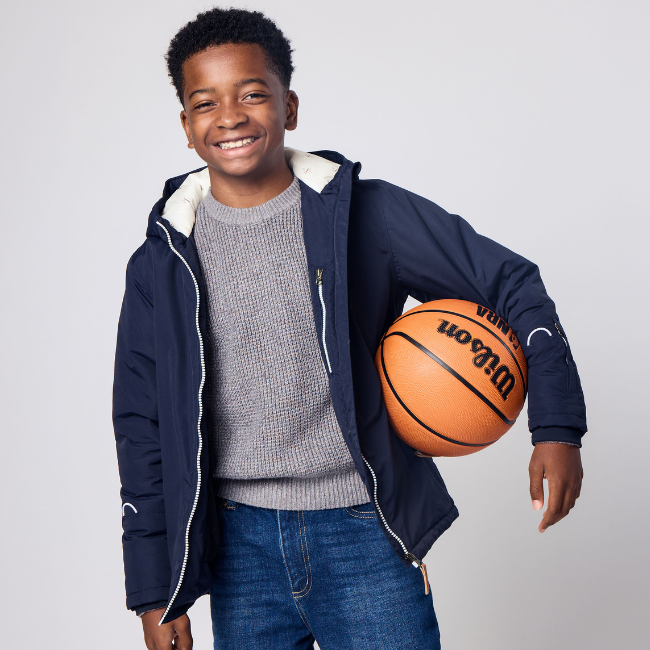
The outer layer is the piece that protects everything underneath. This is where winter weather hits first, and it is one of the most important parts of the entire system.
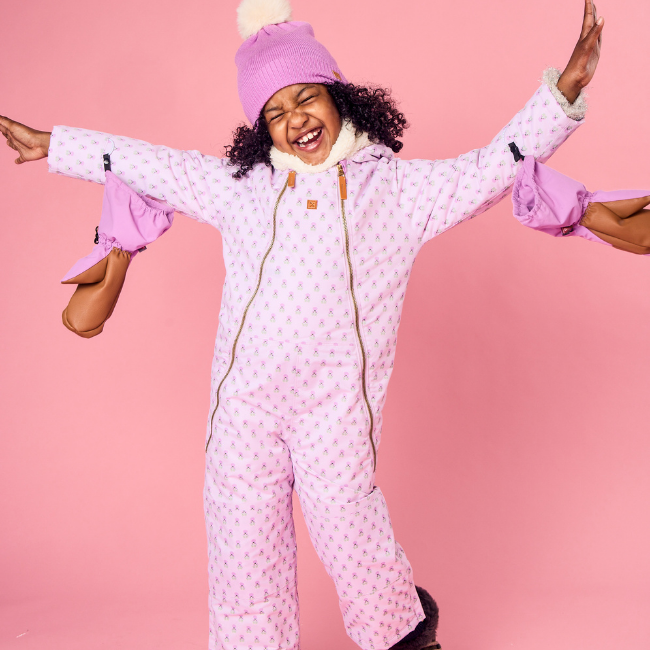
Your draft highlights the importance of waterproof outerwear, including waterproof snow pants and insulated jackets, because they help kids stay outside longer without getting cold or wet. That outer protection is what allows the base and mid layers to keep doing their job.
A strong outer layer needs to shield against:
-
snow
-
wind
-
moisture
-
cold air
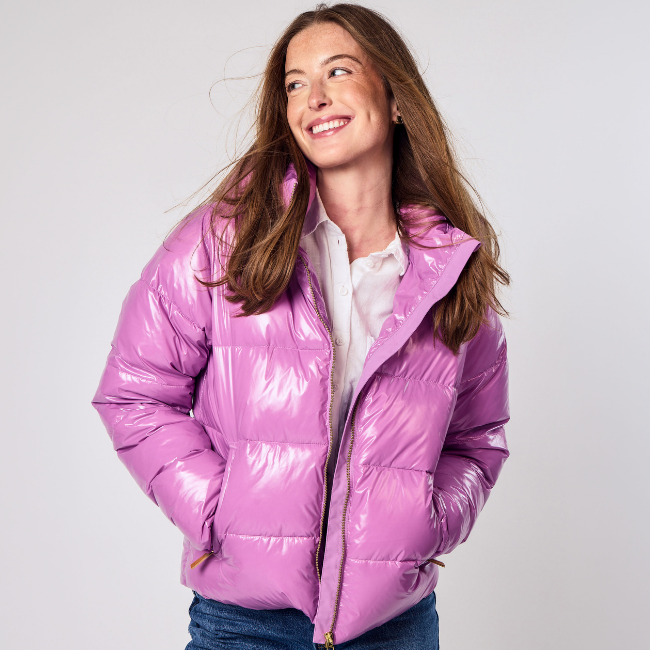
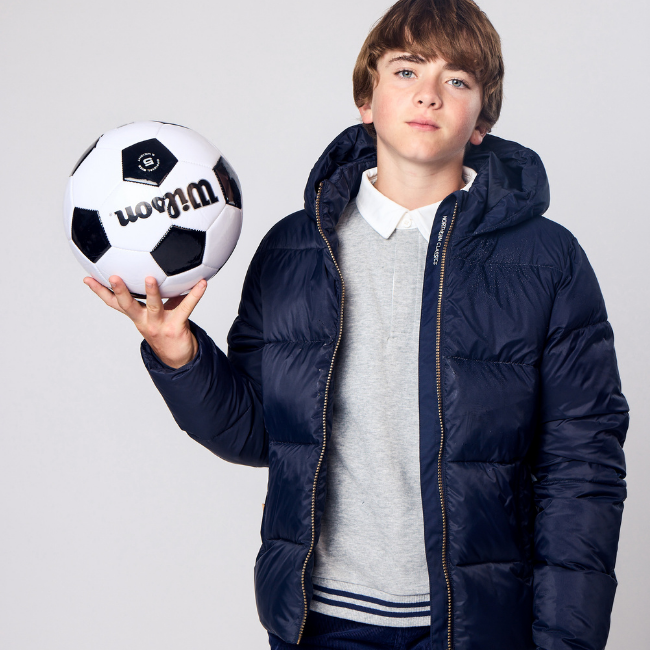
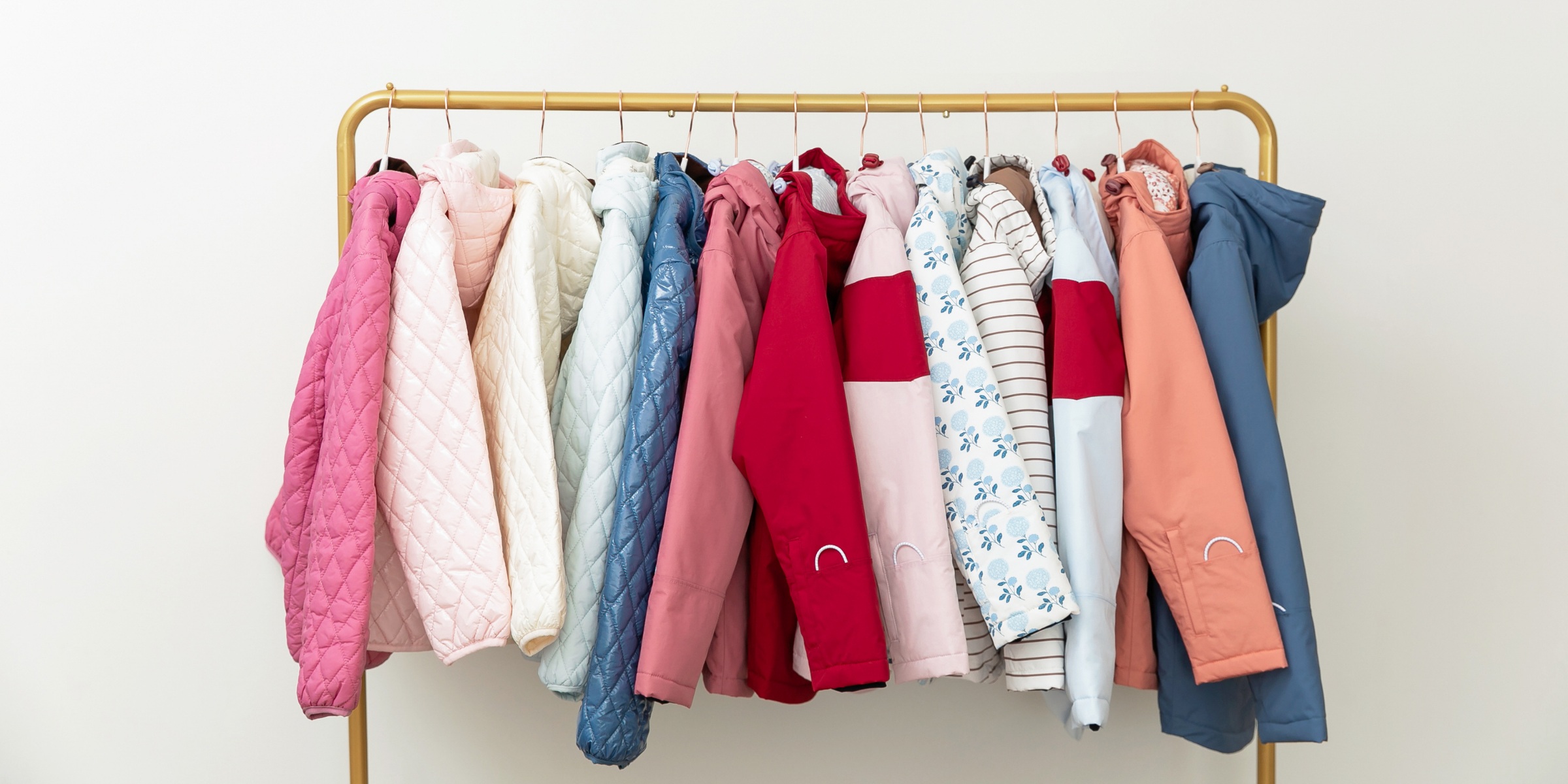
For Northern Classics, this is where using winter coat language matters most. A great kids’ winter coat should do more than look warm. It should be built for real outdoor play.
What a Good Winter Coat Should Offer
A high-performing winter coat should include:
-
warm insulation
-
waterproof protection
-
durable materials
-
comfortable mobility for active kids
If the outer layer is not doing its job, kids will feel it quickly. Snow seeps in, moisture builds, and winter play gets cut short. But when a winter coat performs well, children can stay focused on playing, exploring, and having fun.
Do Not Overlook Snow Pants
A winter coat matters, but it is only half the picture. Kids spend a lot of time sitting, kneeling, and rolling in the snow, which means lower-body protection matters just as much.
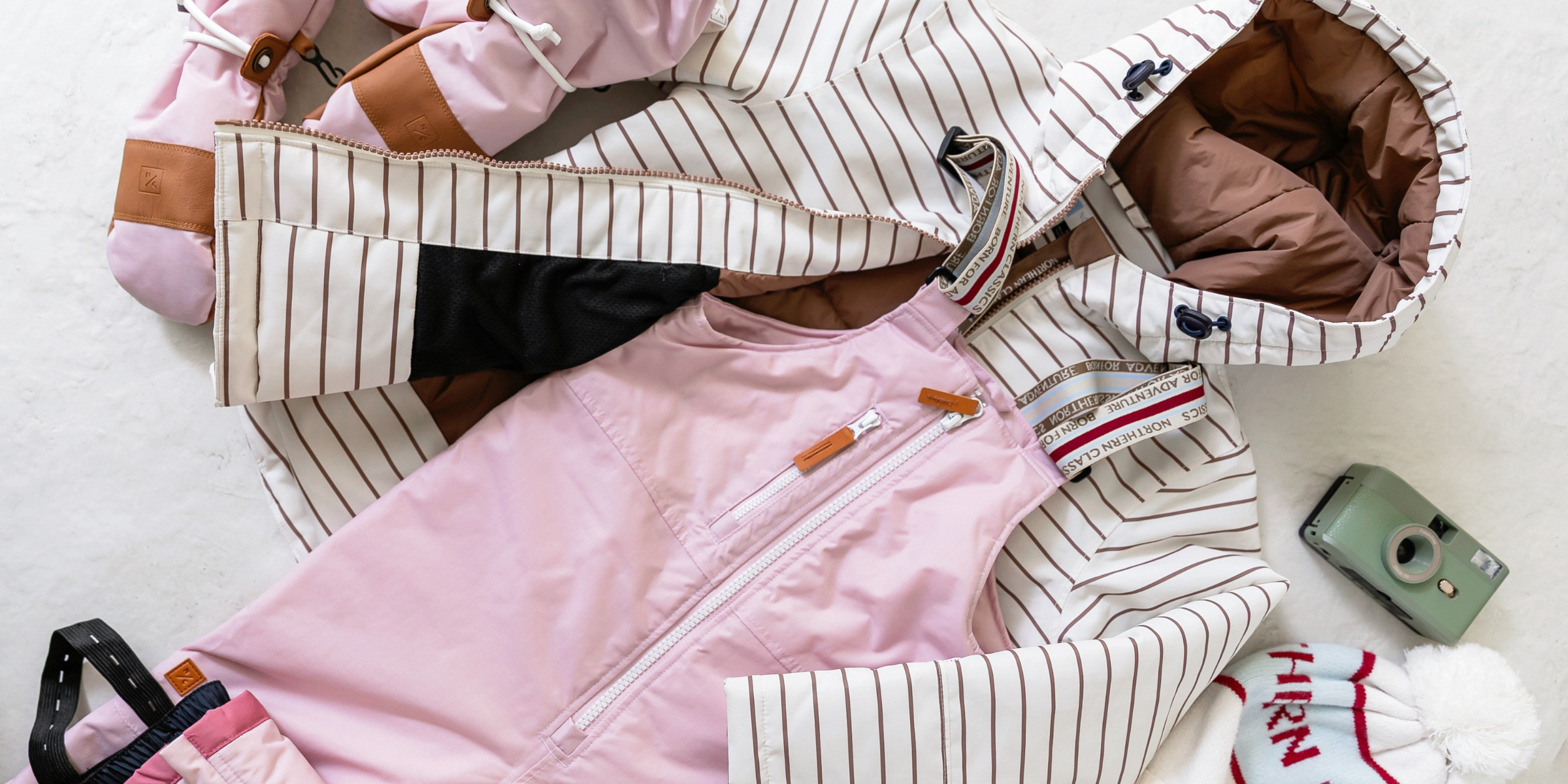
That is why waterproof snow pants are such an important part of dressing kids for winter outdoor play. As your draft explains, durable outerwear should protect against snow, wind, and moisture, and snow pants play a major role in that.
The best snow pants for kids should help keep them dry while still letting them move comfortably. They should also be durable enough to handle real childhood wear.
Durability Matters More Than Many Parents Realize
One of the most important points in your draft is that parents often overlook how much wear kids put on outerwear. That is so true in winter.
Kids are tough on gear. They climb, slide, kneel, crawl, and spend hours moving through rough, wet conditions. Winter outerwear needs to be ready for all of it.
When shopping for kids’ winter gear, look for pieces built to handle:
-
climbing
-
rough play
-
sledding
-
kneeling in wet snow
-
repeated everyday use
Details like reinforced knees and durable fabrics can make a big difference over the course of the season, just as your draft notes. Better construction helps winter gear last longer, perform better, and often makes it possible to pass it down later.
Don’t Forget Accessories
Small items can make a surprisingly big difference in how long kids stay comfortable outside. Your draft specifically calls out:
-
warm, waterproof mittens
-
a snug hat
-
waterproof boots
-
neck warmers
These accessories complete the winter outfit and help protect the areas of the body that often get cold first.
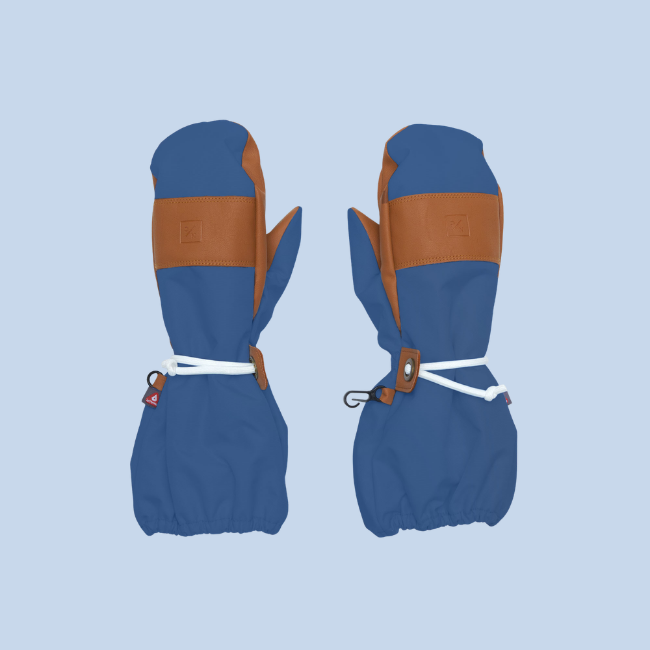
Mittens
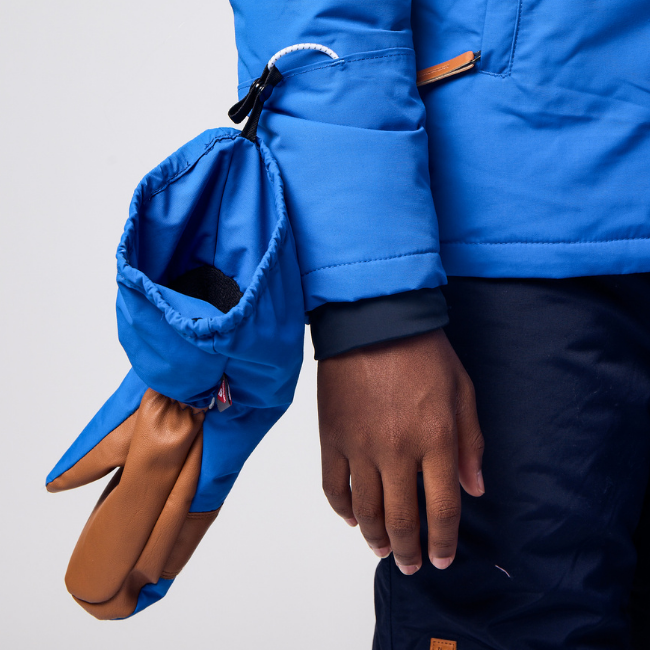
Warm, waterproof mittens help keep little hands comfortable during snow play. Since cold hands are often one of the first reasons kids want to come inside, good mittens are essential.
Hat
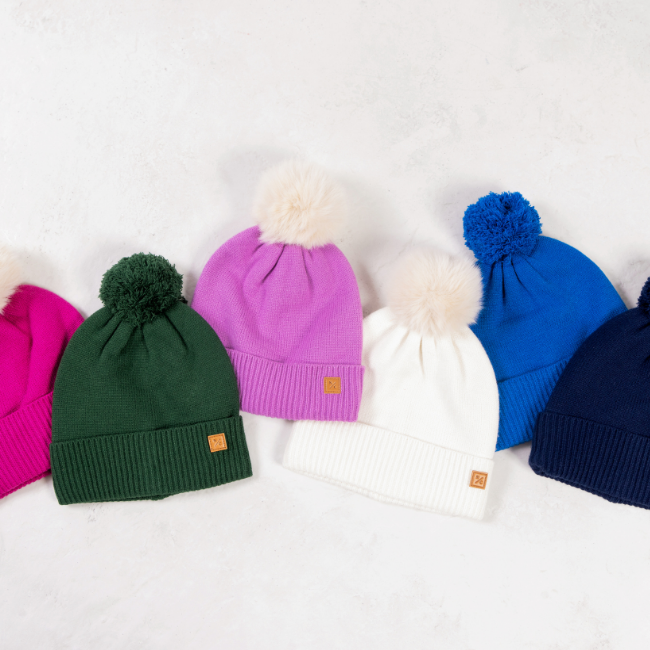
A snug winter hat helps keep warmth in and protects kids from wind, especially when it covers the ears well.
Boots
Waterproof boots keep feet dry in snow and slush. Cold, wet feet can end outdoor play almost immediately, so dependable boots are worth prioritizing.
Neck Warmers
Neck warmers help seal in warmth and keep cold air from slipping down inside the winter coat.
As your draft says, keeping hands and feet warm can easily add another hour of outdoor play. For parents, that is one of the most useful truths to remember.
Why Outdoor Play Matters in Winter
Dressing kids properly for winter is not just about comfort. It is about making outdoor play possible.
Your draft points out that cold weather play builds resilience, improves mood, and helps kids burn energy. Those benefits are a big reason winter outdoor play matters so much.
When kids spend time outside in winter, they gain:
-
physical strength from climbing, sledding, and active movement
-
emotional resilience from learning to enjoy different weather
-
improved mood from fresh air and open space
-
better focus after time spent outdoors
-
confidence through adventure and exploration
Many families discover that winter becomes one of the most magical seasons once children are dressed properly and encouraged to enjoy it. Snow changes the landscape, invites imaginative play, and turns ordinary places into something new.
How to Make Winter Outdoor Play Easier for Parents
A good winter clothing system helps a lot, but making outdoor play easier often comes down to preparation too.
A few simple habits can make getting outside feel much more manageable:
-
keep the winter coat, snow pants, boots, and mittens in one place
-
dry gear fully after each use
-
keep extra socks and spare mittens nearby
-
dress kids in layers instead of relying on one heavy piece
-
make sure outerwear still fits well before the season gets busy
The more organized the system, the easier it becomes to say yes to outdoor play.
The Bottom Line
Dressing kids for winter outdoor play does not have to be complicated. The best approach is a strong layering system:
-
start with a good base layer
-
add a warm mid layer
-
finish with waterproof outerwear
-
complete the outfit with warm accessories
As your draft makes clear, the right clothing helps kids stay warm without overheating, stay dry in the snow, and stay outside longer doing what they love.
And that is really the goal. Because with the right winter coat, waterproof snow pants, durable layers, and dependable accessories, there is no reason kids have to stay inside when the weather turns cold. Winter should be a season for forts, sledding, snowy walks, and outdoor memories - and the right gear helps make all of that possible.


Leave a Comment
This site is protected by hCaptcha and the hCaptcha Privacy Policy and Terms of Service apply.