

What Should Kids Wear in 30 Degree Weather? A Winter Layering Guide for Parents
When temperatures drop to around 30°F, many parents start asking the same question: Is it too cold for kids to play outside?
The good news is that 30 degree weather is usually perfectly fine for outdoor play, as long as kids are dressed properly. In many cold-weather places, children regularly head outside in these temperatures to walk to school, enjoy recess, go sledding, build snow forts, and spend hours exploring the winter landscape. The temperature itself is not usually the problem. The real key is making sure kids are warm, dry, and comfortable enough to enjoy being outside.
That is where layering matters.
Dressing kids for 30 degree weather is not about putting them in the thickest thing you can find and hoping for the best. It is about creating a simple clothing system that helps regulate body temperature, manage moisture, and protect against cold air, snow, and wind. When children are layered well, they can run, climb, sled, and play without getting chilled too quickly or overheating once they start moving.
If you have ever wondered exactly what kids should wear in 30 degree weather, this guide breaks it down clearly.
Is 30 Degree Weather Too Cold for Kids?
For most kids, 30 degree weather is not too cold for outdoor play when they are dressed appropriately. In fact, this temperature can be ideal for winter fun because it is cold enough for snow and sledding, but often still comfortable enough for active kids to stay outside for a good amount of time.
Children tend to generate a lot of body heat when they are moving. Running through snow, climbing snowbanks, walking to school, pulling a sled, or building forts all help keep them warmer than many parents expect. That is why proper winter clothing makes such a big difference. When the right layers are in place, 30 degree weather can feel very manageable.
The goal is not to avoid the outdoors altogether. It is to dress kids in a way that supports safe, comfortable winter play.
The Best Layering System for 30 Degree Weather
The easiest way to dress kids for 30 degree weather is to use a three-layer system. Your draft lays this out clearly, and it is one of the most effective ways to help children stay warm without getting sweaty or uncomfortable.
The three layers are:
-
Base layer
-
Mid layer
-
Outer layer
Each layer has a different job, and together they create a system that helps keep kids dry, warm, and protected from winter weather.
1. Base Layer: Keeps Kids Dry
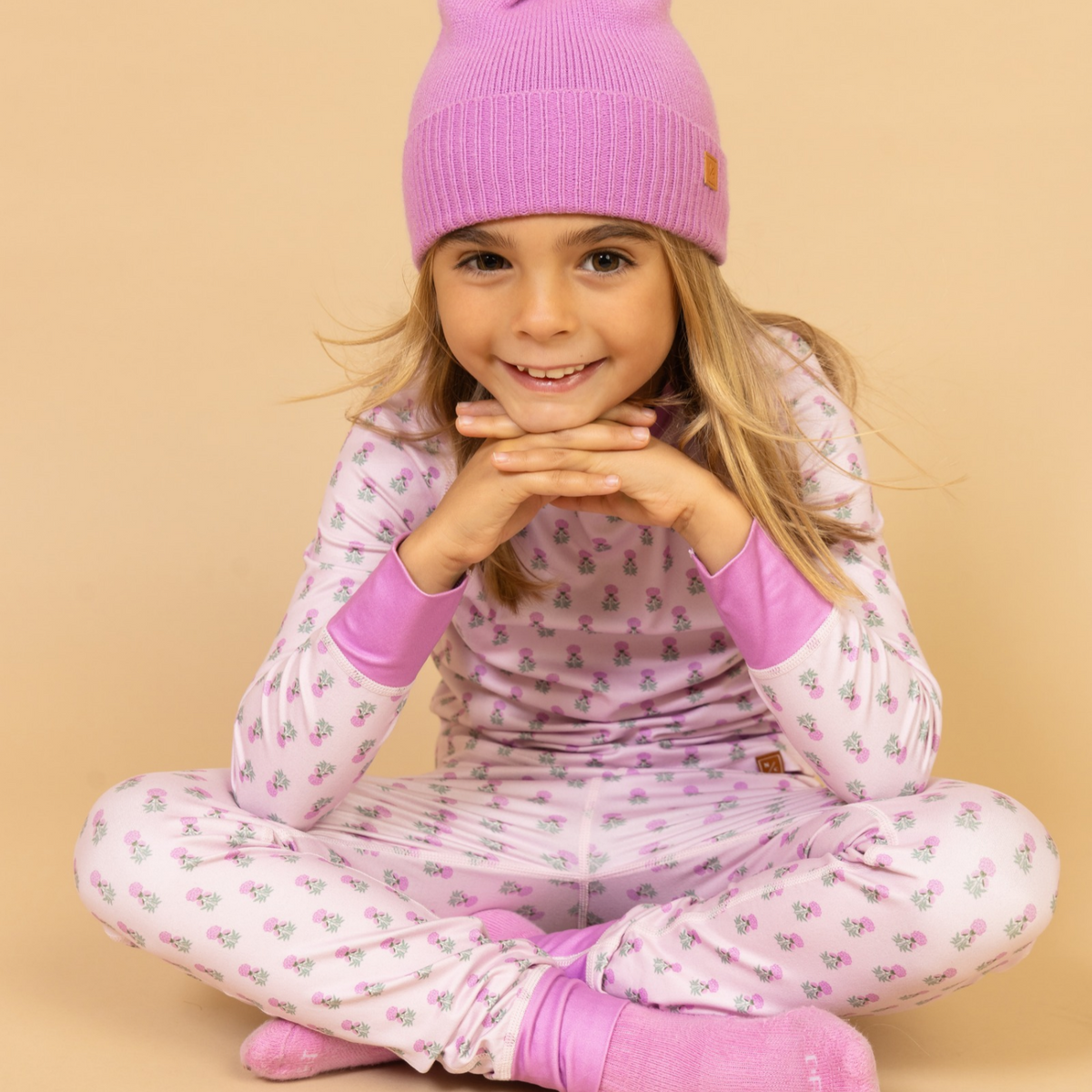
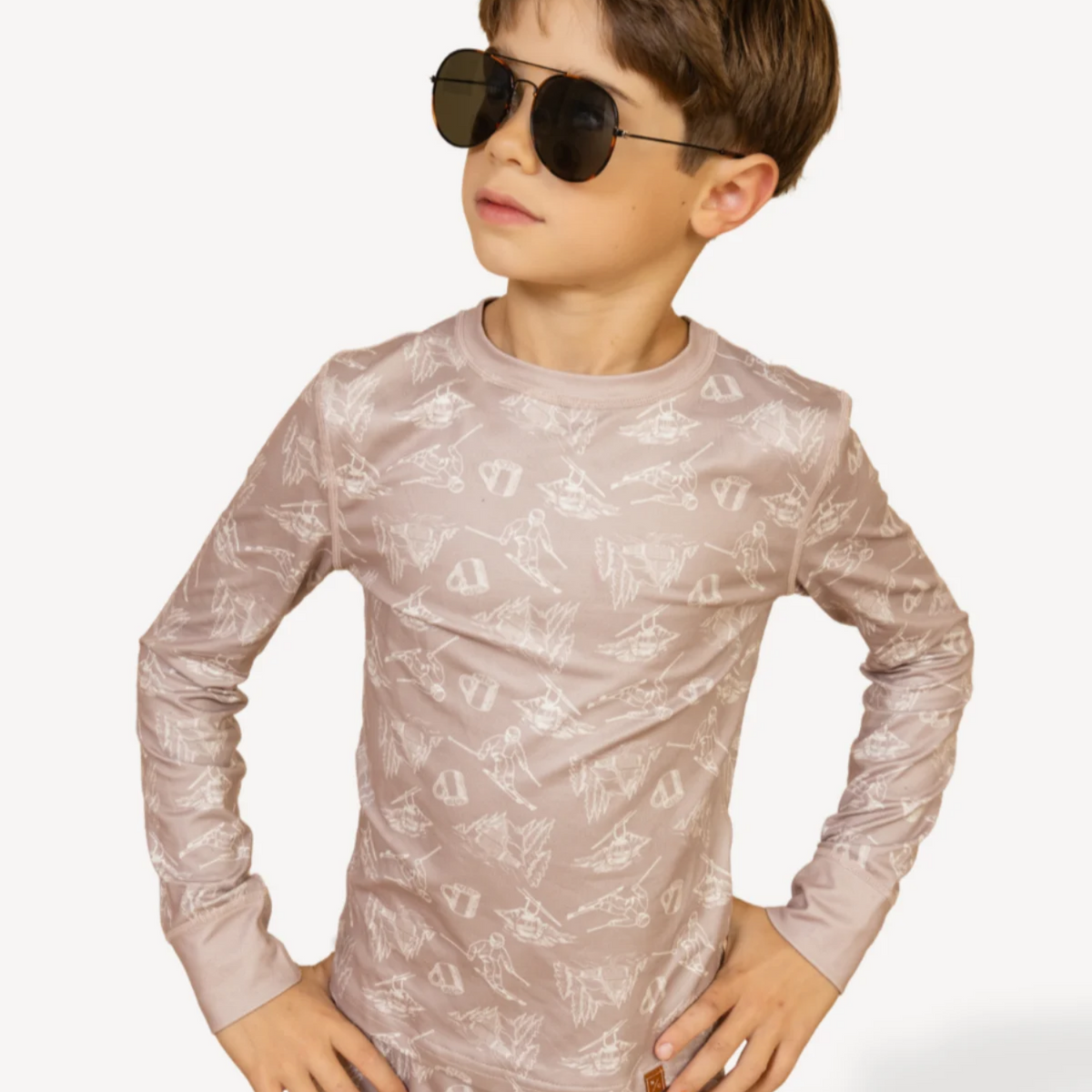
The base layer sits directly against the skin. Its main job is to wick moisture away from the body so kids do not stay damp once they start moving and sweating. This is especially important in winter because moisture left against the skin can make children feel much colder later.
As your draft notes, good base layer options include:
-
thermal shirts
-
thermal leggings or long underwear
-
wool or moisture-wicking fabrics
These materials help regulate temperature while keeping kids more comfortable during active play.
Avoid Cotton When Possible
Cotton may feel soft and familiar, but it is not the best base layer for cold-weather play. Your draft correctly points out that cotton can trap moisture and make kids feel colder. Once cotton gets damp, it does not dry quickly, which can leave children chilled after they slow down.
A better base layer helps the rest of the winter outfit work the way it should.
2. Mid Layer: Adds Warmth
The mid layer is the insulation layer. Its job is to trap body heat and add warmth without making kids feel too bulky or restricted.
This layer matters because 30 degree weather is often cold enough that a base layer and outerwear alone may not feel like quite enough, especially if kids are sitting in the snow, riding in a sled, or spending a long time outdoors.
Your draft suggests great mid-layer options such as:
-
fleece pullovers
-
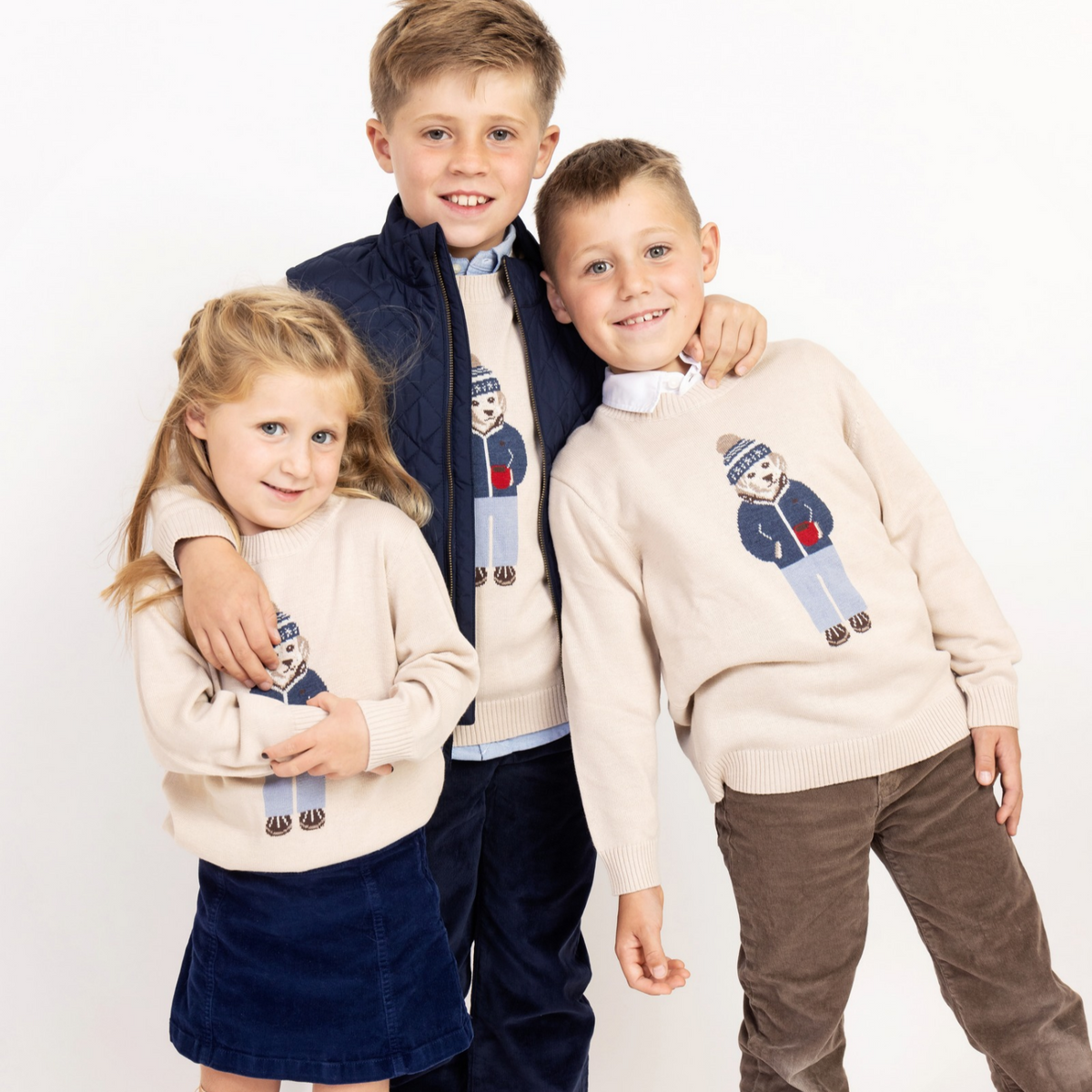
insulated sweaters
-
lightweight puffer jackets
These options work well because they add warmth while still allowing kids to move comfortably. The best mid layer should help children stay warm without making it harder for them to climb, bend, run, or play.
Warmth Without Bulk Matters
Kids do best in winter clothing that feels warm but still flexible. If a layer is too bulky, it can make outdoor play frustrating. They may feel stiff or uncomfortable, which means they are less likely to enjoy being outside.
That is why the right mid layer should add insulation without getting in the way.
3. Outer Layer: Protects from Snow and Wind
The outer layer is what shields kids from the winter weather itself. It protects against snow, wind, moisture, and cold air. This layer is especially important in 30 degree weather because conditions are often right around freezing, which means snow can be wetter and slushier than many parents expect.
Your draft notes that parents should look for outerwear that is insulated, durable for active play, and able to protect against snow and moisture. Since you want Northern Classics positioned accurately, the strongest version of this is waterproof outerwear, not water-resistant outerwear.
For kids, the outer layer should include:
-
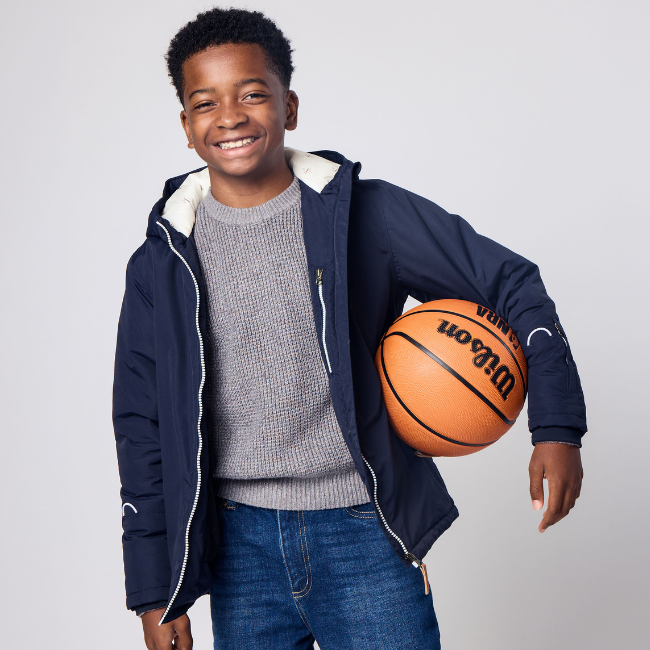
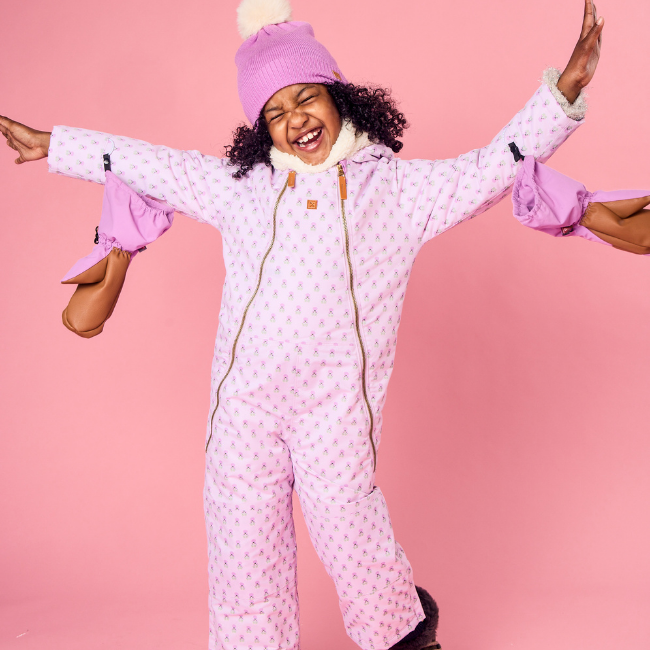
a warm, waterproof winter coat
-
waterproof snow pants or bibs when they will be playing in snow
-
durable construction for active outdoor use
Snow pants and a winter coat are especially important if kids will be sledding, sitting on cold surfaces, rolling in snow, or building forts, exactly as your draft points out.
Why a Winter Coat Matters So Much in 30 Degree Weather
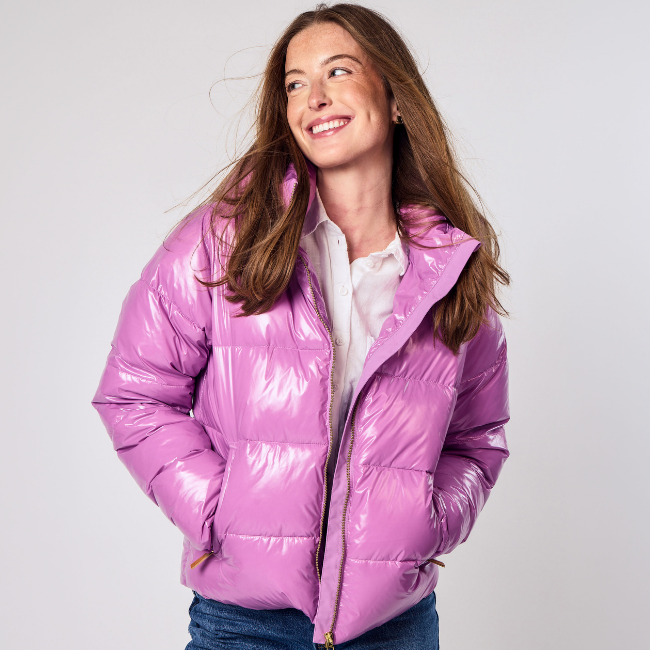
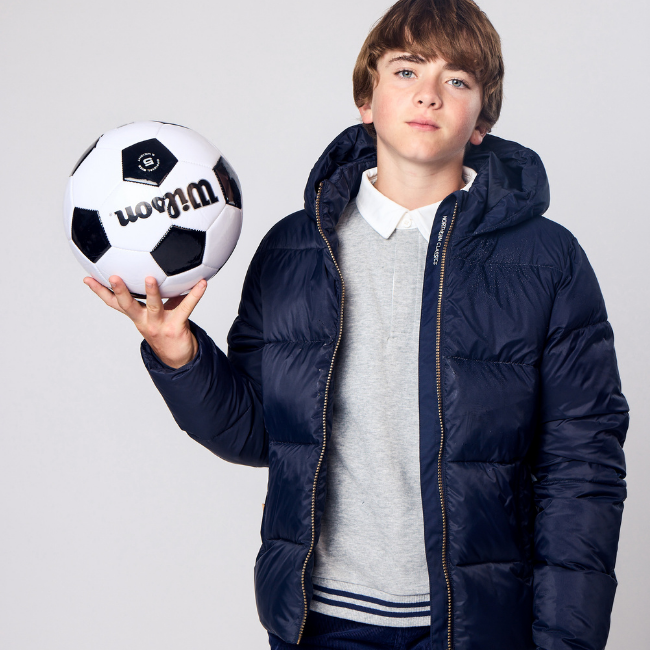
A good winter coat is one of the most important pieces in a child’s cold-weather wardrobe. At 30 degrees, kids often need a coat that can handle active play, damp snow, and changing conditions without becoming heavy or uncomfortable.
The best kids winter coat for 30 degree weather should provide:
-
warm insulation
-
waterproof protection
-
durability for everyday play
-
mobility so kids can move freely
When a winter coat is built well, it helps children stay comfortable for much longer outside. Instead of feeling cold and wet after a short time, they can keep playing, exploring, and enjoying the season.
For many families, the right winter coat is what makes winter outdoor play feel realistic instead of stressful.
Winter Accessories Kids Need in 30 Degree Weather
Accessories make a huge difference when temperatures hover around freezing, and your draft emphasizes that well. Small pieces of gear can often determine whether a child stays comfortable for fifteen minutes or for over an hour.
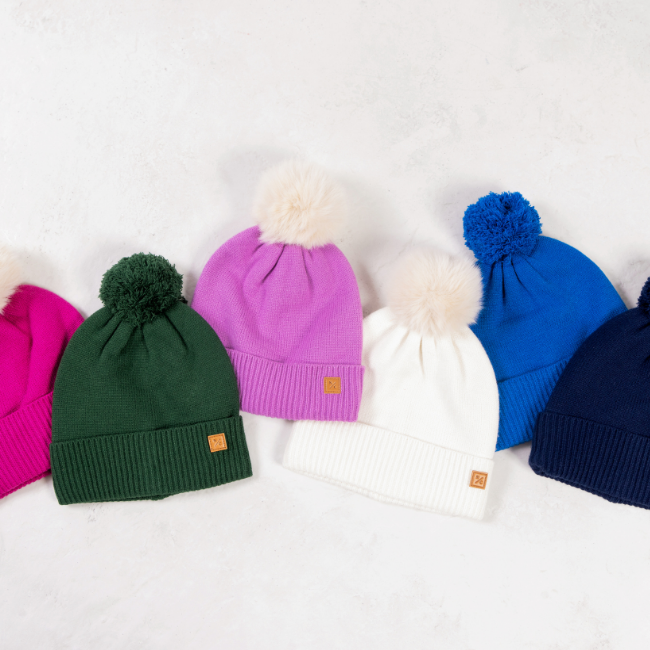
Warm Hat
A warm hat is essential because kids lose heat quickly through their head, especially in windy conditions. A good winter hat should cover the ears and fit snugly enough to stay on during active play.
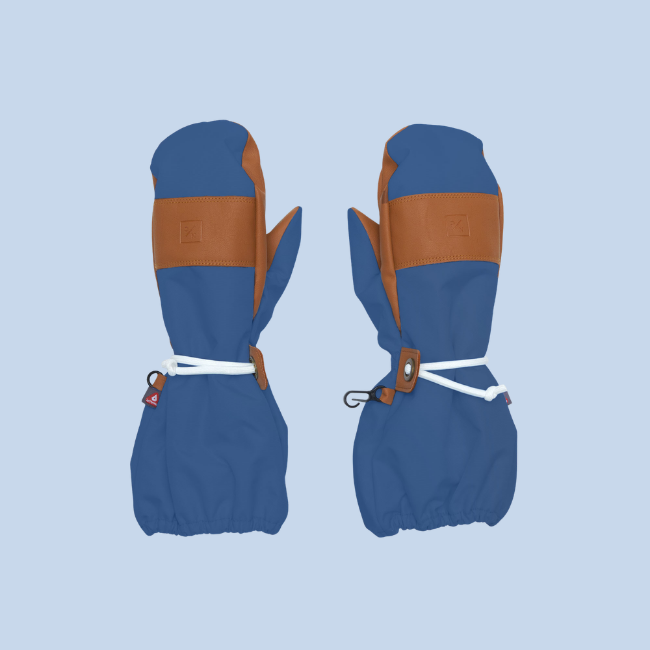
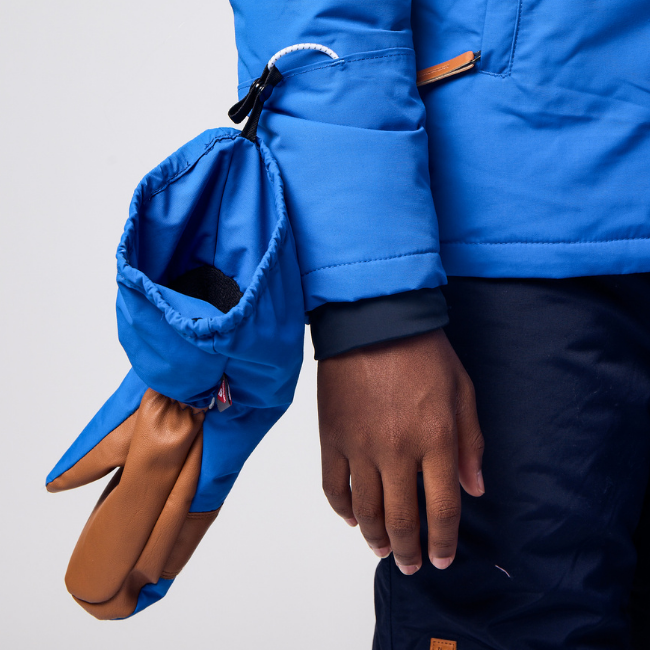
Waterproof Mittens or Gloves
Hands are often the first thing kids complain about in cold weather. Your draft notes that mittens tend to keep hands warmer than gloves because fingers share heat, which is exactly right. For many kids, waterproof mittens are the best choice for snow play.
Insulated Boots
Insulated, waterproof boots help keep feet dry and warm, especially when kids are walking through snow, standing in slush, or climbing around outside. Thick socks help too, but the boots themselves need to be warm and weather-ready.
Neck Warmer or Scarf
A neck warmer is especially helpful on windy days or for sledding. It helps seal in warmth and prevents cold air from slipping down inside the winter coat.
How Long Can Kids Play Outside in 30 Degree Weather?
As your draft explains, many kids can comfortably play outside for 60 to 90 minutes or more in 30 degree weather when they are dressed appropriately. Some may stay comfortable even longer, especially if they are moving constantly and their gear stays dry.
Activities like:
-
sledding
-
running
-
building snow forts
-
walking
-
climbing snowbanks
all help generate body heat, which is why active play can make cold temperatures feel much easier to handle.
The key is paying attention to clothing and comfort rather than focusing on the number alone.
Signs Kids May Be Getting Too Cold
Even when children are dressed well, it is still important to watch for signs that they need a warm-up break. Your draft highlights several important ones, including:
-
shivering
-
complaints of cold fingers or toes
-
red or pale skin
-
sluggish behavior
If you notice any of these, it is a good idea to bring kids inside, warm them up, and change anything damp. A warm drink, dry socks, and a short break indoors can go a long way.
Why Outdoor Play Matters in Winter
Your draft also does a great job reinforcing why winter outdoor play is worth the effort. Playing outside in cold weather helps kids:
-
stay physically active
-
build resilience and confidence
-
explore nature in a new season
-
burn energy that might otherwise turn into more screen time
Winter gives kids a completely different kind of play experience. Snow changes the landscape, encourages imaginative play, and turns familiar places into something new. When kids are dressed properly, 30 degree weather can become the perfect setup for some of the best parts of childhood.
The Bottom Line
So, what should kids wear in 30 degree weather?
The simplest answer is: a smart layering system.
Start with a moisture-wicking base layer. Add a warm mid layer like fleece or a lightweight sweater. Finish with a waterproof winter coat and waterproof snow pants if kids will be playing in the snow. Then complete the outfit with the right accessories: a warm hat, waterproof mittens, insulated boots, and a neck warmer.
30 degree weather is a great temperature for kids to play outside when they are dressed well. With the right winter gear, they can stay comfortable, move freely, and enjoy everything winter has to offer. And for many families, that is exactly what makes the season so fun.


Leave a Comment
This site is protected by hCaptcha and the hCaptcha Privacy Policy and Terms of Service apply.