




What to Do When Kids Come Home From School With Soaked Gear Every Day
The Soaked Gear Problem
It's 3:30 PM and your child walks through the door with a coat that's wet through, mittens that are dripping, and snow pants that could wring out a cup of water. If this is a daily occurrence, it's not just inconvenient - it means your child has been cold and damp for hours, and the gear isn't doing its job. The good news is that soaked gear is almost always a solvable problem. Here's how to work through it systematically.
Step One: Figure Out Where the Water Is Getting In
Wet gear at the end of the day can come from a few different sources - and the fix depends on which one you're dealing with. Before replacing anything, it's worth spending a few minutes diagnosing the actual problem.
Is the Outer Shell Saturated?
Run your hand across the outside of the coat after it's been worn. If the shell fabric itself feels wet and heavy - not just surface damp - the waterproofing has broken down. A coat with an active DWR (Durable Water Repellent) finish will bead water on the surface; one that's lost its DWR will absorb moisture into the shell fabric, making the whole coat feel cold and heavy even if the insulation is technically dry.
Is the Inside Wet From Sweat?
If the shell feels fine but the lining is damp, the issue isn't waterproofing - it's moisture management. Active kids generate a lot of body heat during recess, and a coat that doesn't breathe will trap sweat inside. This is especially common with lower-cost coats that use non-breathable shell fabrics. The fix here is different from a waterproofing problem.
Are the Seams Leaking?
Check the shoulder seams, underarm seams, and any seams along the back. Hold the coat up to a light and look for areas where stitching has loosened or where the seam tape (if present) has peeled away. Seam leaks are common in coats that have been washed frequently without proper care, and they create very specific wet spots rather than overall saturation.
Fixing a Coat That's Lost Its Waterproofing
If the DWR finish has worn off, this is often fixable without replacing the coat - at least for another season.
Try the Wash and Dry Method First
DWR finishes can be temporarily reactivated by heat. Wash the coat according to its care label using a technical outerwear cleaner (not regular detergent, which can clog the DWR), then tumble dry on low heat for 20-30 minutes. This reactivates the DWR in many cases and can restore meaningful water repellency. Do the water bead test afterward - sprinkle a few drops on the shell and see if they bead up.
Apply a DWR Re-Treatment Spray
If the wash-and-dry method doesn't fully restore performance, a DWR re-treatment spray applied to the clean, damp shell can extend the coat's life by another season. These are widely available at outdoor retailers. Follow the instructions carefully - most require heat activation after application. This is a worthwhile step before deciding to replace a coat that's otherwise in good condition.
When It's Time to Replace
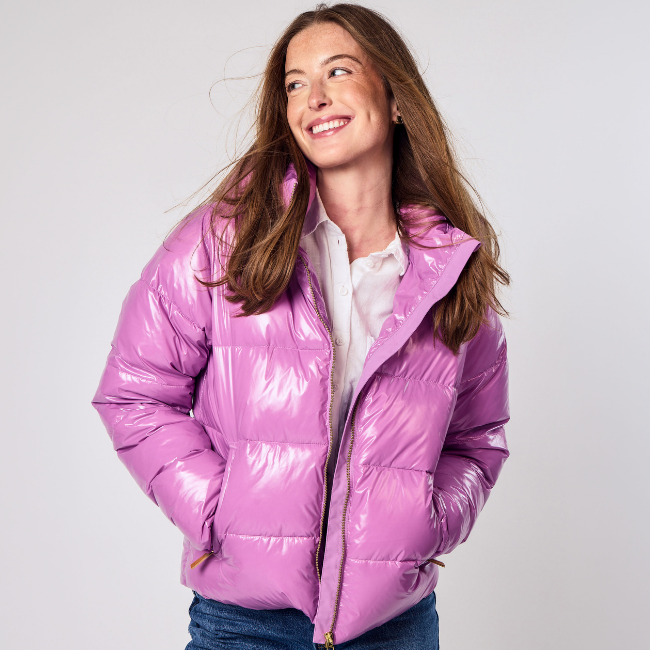
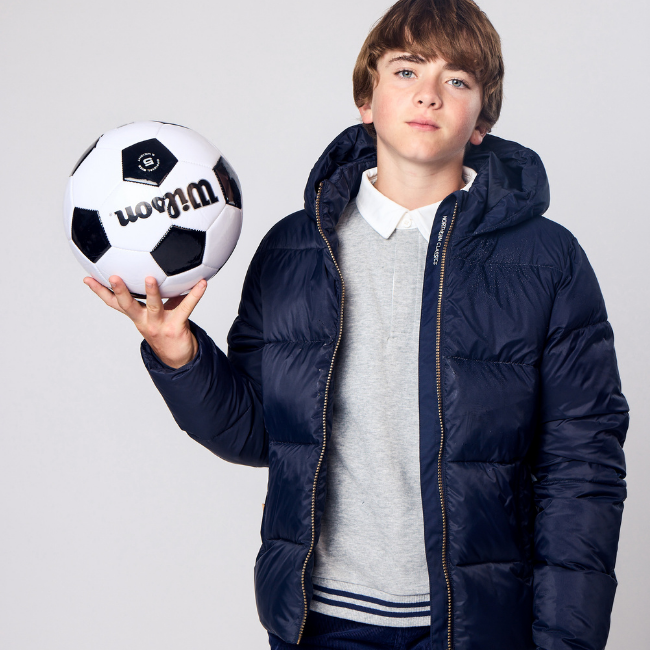
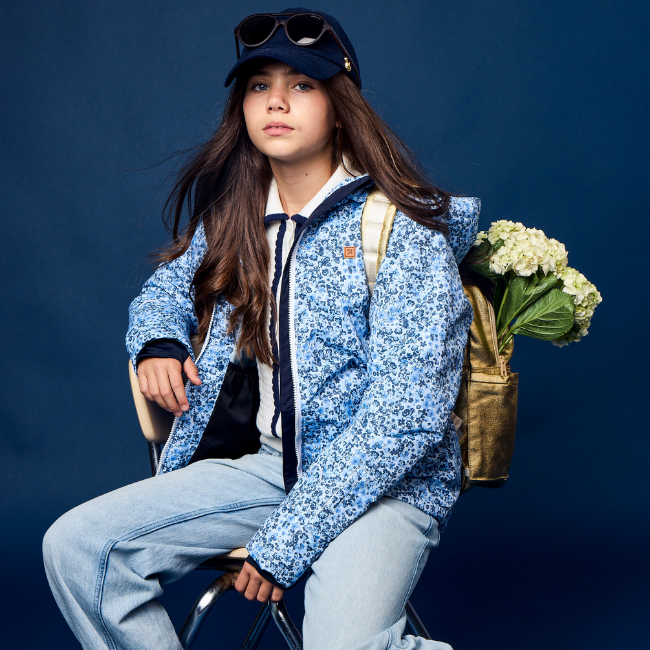
If the shell fabric itself is damaged - pilling, thinning, or torn in high-wear areas - re-treatment won't help. At that point, the shell has reached the end of its functional life. Our kids' winter coats and kids' ski wear are built with durable, weather-resistant shells designed to hold their DWR finish through multiple seasons of real use.
Fixing the Mitten Problem
Soaked mittens are one of the most common cold-weather complaints - and one of the most preventable. Kids spend recess with their hands in snow, and mittens that aren't genuinely waterproof will saturate quickly.
Check What the Mittens Are Actually Made Of
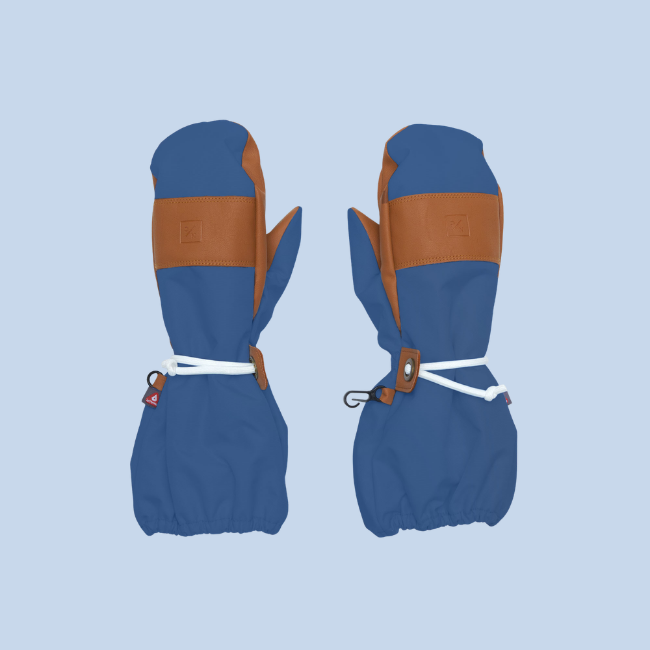
There's a meaningful difference between water-resistant and waterproof mittens. Water-resistant mittens handle light moisture and brief contact with snow; waterproof mittens have a sealed or laminated shell that prevents water from penetrating even with extended snow contact. For kids who play actively in snow, waterproof is the right standard. Our kids' mittens are selected for genuine waterproof performance - not just surface treatment.
The Wrist Seal Matters
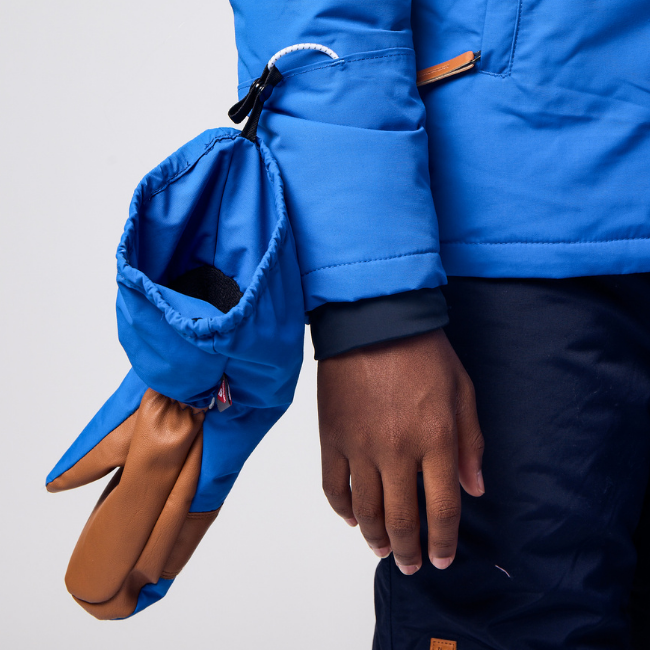
Even a waterproof mitten will let water in if snow is getting in at the wrist. Look for mittens with a long gauntlet cuff that extends over the coat sleeve, or a cinch closure that seals against the wrist. This single feature makes a bigger difference than almost anything else in keeping hands dry during active snow play.
Have a Backup Pair
Even the best mittens need time to dry between uses. If your child is coming home with soaked mittens every day, a second pair to rotate through is a practical solution - especially for younger kids in full-day programs with outdoor recess. Wet mittens that go back on the next morning are never fully effective.
Fixing the Snow Pants Problem
Snow pants take a beating during recess - kids sit in snow, slide down hills, and kneel on wet ground. If they're coming home soaked, the issue is usually one of two things: the waterproofing has worn off, or the pants aren't rated for the level of activity your child is putting them through.
Check the Waterproof Rating
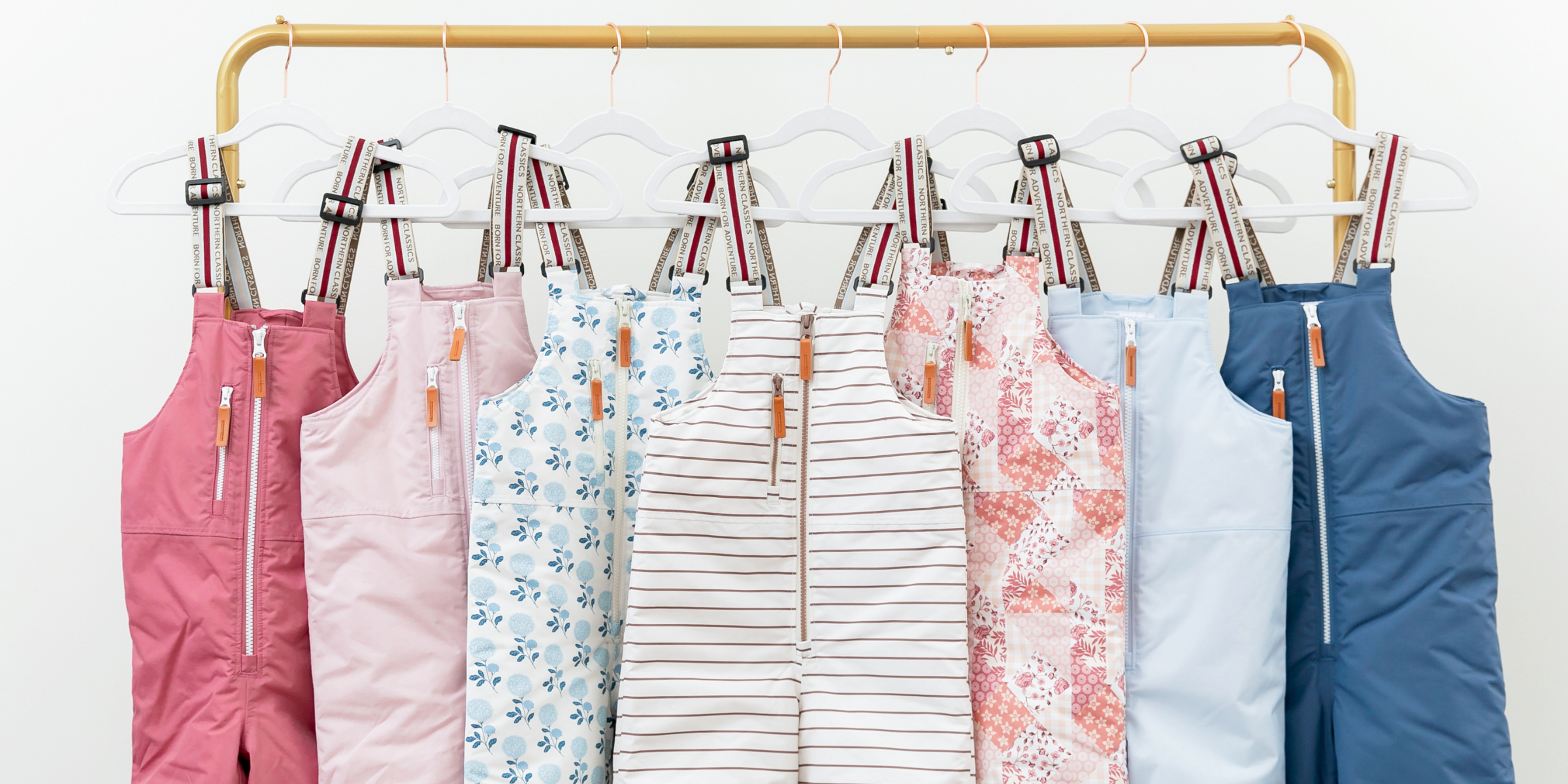
Snow pants are rated by their waterproof column - a measure of how much water pressure the fabric can resist before leaking. For active kids in wet snow conditions, look for a rating of at least 5,000mm, and ideally 10,000mm or higher. Budget snow pants often have ratings below this threshold, which is fine for light use but not for daily recess in heavy snow. Our boys' snow pants and girls' snow pants are built to handle real winter conditions.
Reinforce High-Wear Areas
The seat and knees are the first areas to lose waterproofing on snow pants, because they're in constant contact with wet surfaces. Some pants have reinforced panels in these areas - worth prioritizing if your child is particularly hard on gear. A DWR re-treatment spray applied specifically to these zones can also extend performance between seasons.
Building a System That Stays Dry
The most durable solution to the soaked gear problem is building a complete system where every piece is doing its job. A waterproof shell, genuinely waterproof mittens, properly rated snow pants, and a moisture-wicking base layer work together to keep kids dry from the inside out and the outside in. Explore our layers collection, best selling coats, and winter staples to put together a setup that holds up through the whole school week - not just the first dry day.


Leave a Comment
This site is protected by hCaptcha and the hCaptcha Privacy Policy and Terms of Service apply.