



Why Cheap Winter Gear Fails (and What to Look for Instead)
The Problem With Cheap Winter Gear
Budget winter gear has a predictable failure pattern. It looks reasonable on the rack, performs adequately for the first few wears, and then starts breaking down - usually right in the middle of the coldest stretch of the season. The coat stops repelling water. The mittens soak through in minutes. The zipper sticks or fails entirely. By February, you're either replacing it or sending your child outside in gear that isn't doing its job. Understanding why this happens makes it much easier to spot quality before you buy - and avoid the cycle entirely.
Why Cheap Coats Fail
A winter coat has to do several things simultaneously: block wind, repel moisture, trap warm air, and allow enough breathability that active kids don't overheat. Budget coats typically compromise on at least two of these - and the compromises aren't always obvious until the coat is being used in real conditions.
Low-Quality Insulation
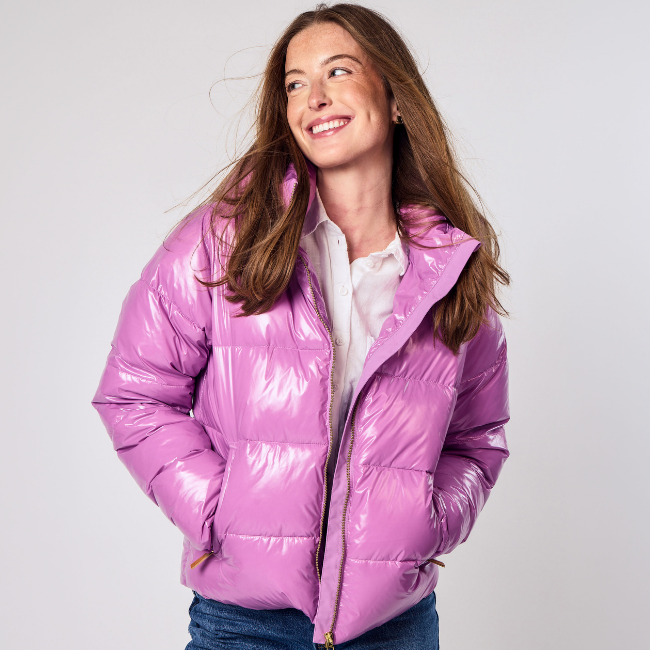
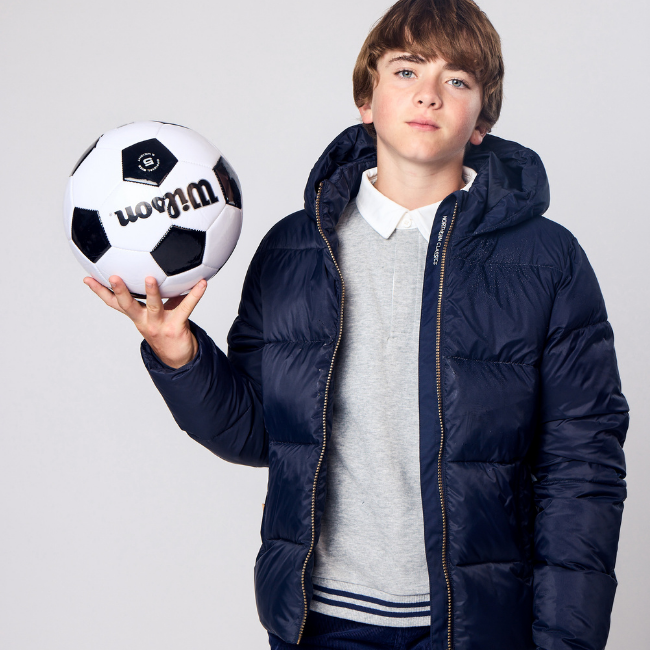
The insulation in budget coats is usually low-fill synthetic - inexpensive to produce but quick to compress and lose loft. Loft is what creates the air pockets that trap warmth, and once it's gone, the coat is functionally much colder than its original rating. A coat that felt warm in October may be noticeably less effective by January, not because the weather changed, but because the insulation has broken down. Quality kids' winter coats use higher-fill insulation - either high-fill-power down or advanced synthetics like PrimaLoft - that maintain their loft through a full season of regular use and washing.
Shell Fabric That Can't Handle Real Weather
Budget coat shells are often made from loosely woven fabrics with a light surface treatment that mimics waterproofing. In light rain or brief snow contact, they perform adequately. In sustained wet conditions - a full recess in heavy snow, a ski day, an afternoon of sledding - they saturate quickly. Once the shell is wet, it conducts cold directly to the insulation and lining, and the coat stops working as a thermal barrier. A quality shell uses tightly woven, purpose-built fabric with a durable DWR finish that holds up through repeated washing and real-world use.
Hardware That Doesn't Last
Zippers, snaps, and velcro on budget coats are typically the first things to fail. A zipper that skips teeth or won't stay closed isn't just annoying - it's a gap in your child's cold-weather protection. Quality coats use YKK or equivalent zippers, reinforced snap closures, and velcro that maintains its grip through a full season. These details add cost at the manufacturing stage but make a significant difference in how long the coat remains functional.
Why Cheap Mittens Fail
Mittens are the piece of winter gear most likely to be underestimated - and the one that fails most visibly. A child with wet, cold hands will not stay outside, regardless of how good the rest of their gear is.
Water-Resistant Is Not Waterproof
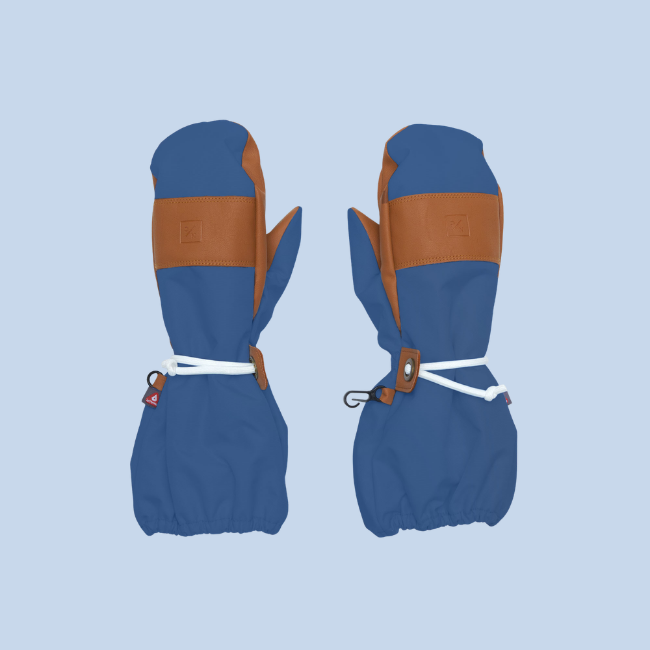
Most budget mittens are described as water-resistant, which means they handle light moisture and brief snow contact. Kids don't have brief snow contact - they pack snowballs, make snow angels, and dig with their hands for extended periods. Water-resistant mittens saturate in these conditions, often within the first 10-15 minutes of active play. Genuinely waterproof mittens use a laminated or sealed shell that prevents water penetration even with sustained contact. Our kids' mittens are selected specifically for waterproof performance - not just surface treatment.
Thin Insulation and Poor Wrist Seals
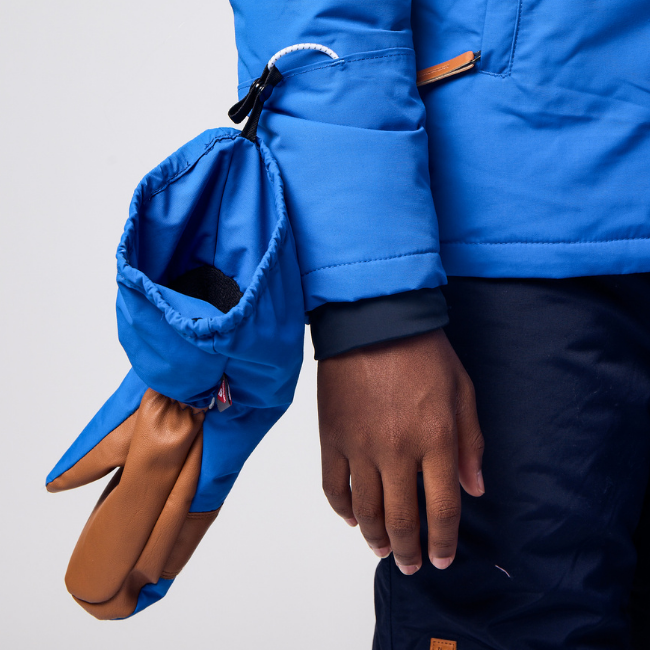
Budget mittens often use minimal insulation and short cuffs that don't seal against the wrist. Snow gets in at the gap between the mitten and the sleeve, and thin insulation provides little warmth once any moisture is present. Look for mittens with a gauntlet cuff that extends over the coat sleeve and enough insulation to maintain warmth even when the exterior is cold and wet.
Why Cheap Snow Pants Fail
Snow pants take more abuse than almost any other piece of winter gear - kids sit in snow, slide on ice, and kneel on wet ground for hours. Budget options rarely hold up to this level of use for a full season.
Low Waterproof Ratings
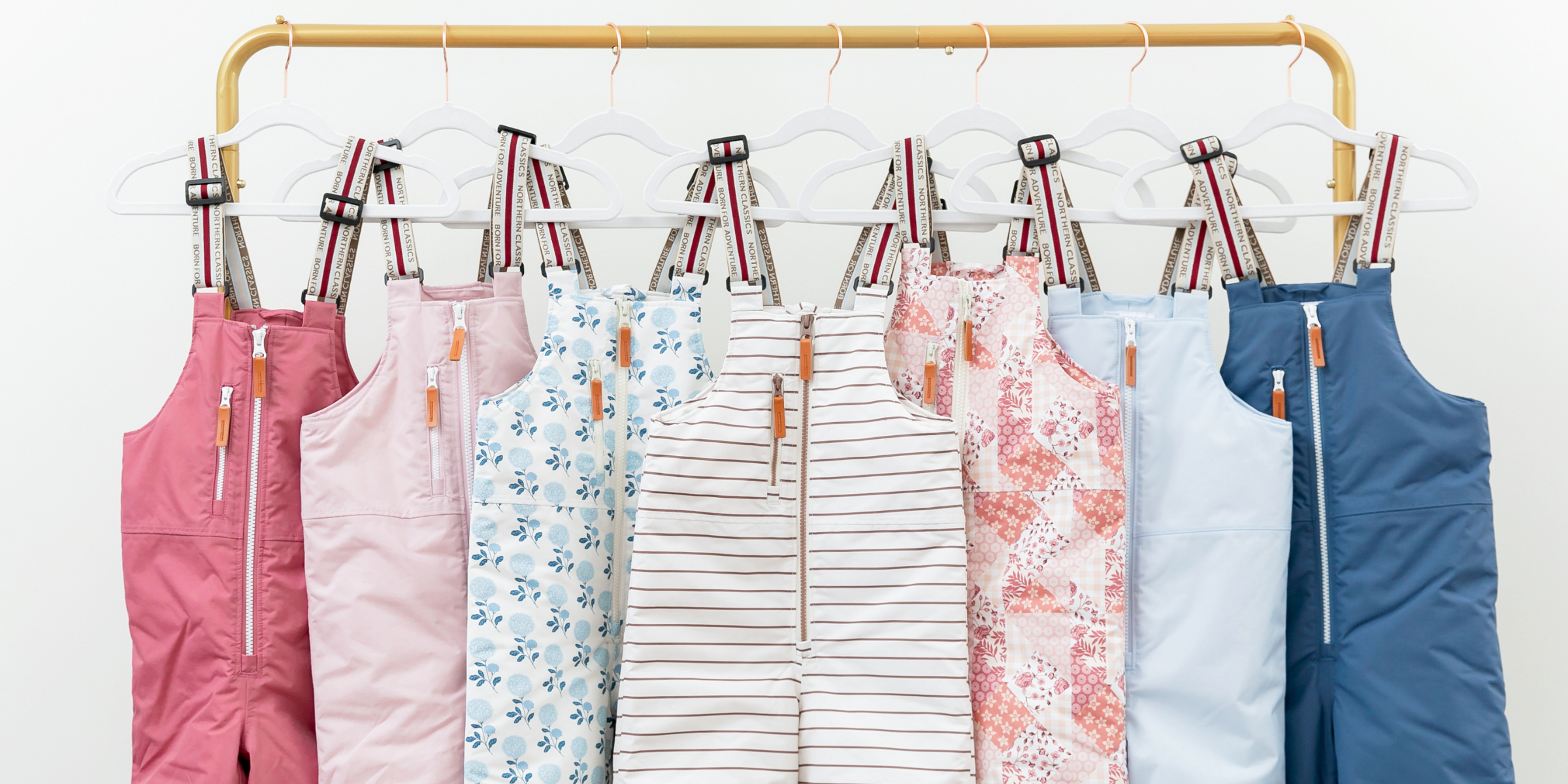
Waterproof performance in snow pants is measured by hydrostatic head rating - the amount of water pressure the fabric can resist before leaking. Budget snow pants often have ratings below 5,000mm, which is insufficient for active kids in wet snow conditions. For reliable performance through a full recess or ski day, look for a rating of 10,000mm or higher. Our boys' snow pants and girls' snow pants meet this standard - built for the conditions kids actually create, not just the conditions on the packaging.
Unreinforced Knees
The knees are the first areas to fail on snow pants because they're in constant contact with wet, abrasive surfaces. Quality snow pants reinforce these zones with heavier fabric or additional waterproof treatment. Budget options use the same fabric throughout, which means the highest-wear areas lose their waterproofing first - often within a single season.
What to Look for Instead
Knowing what fails in budget gear makes it straightforward to identify what to look for in quality alternatives. The key indicators are consistent across categories.
Insulation Specs
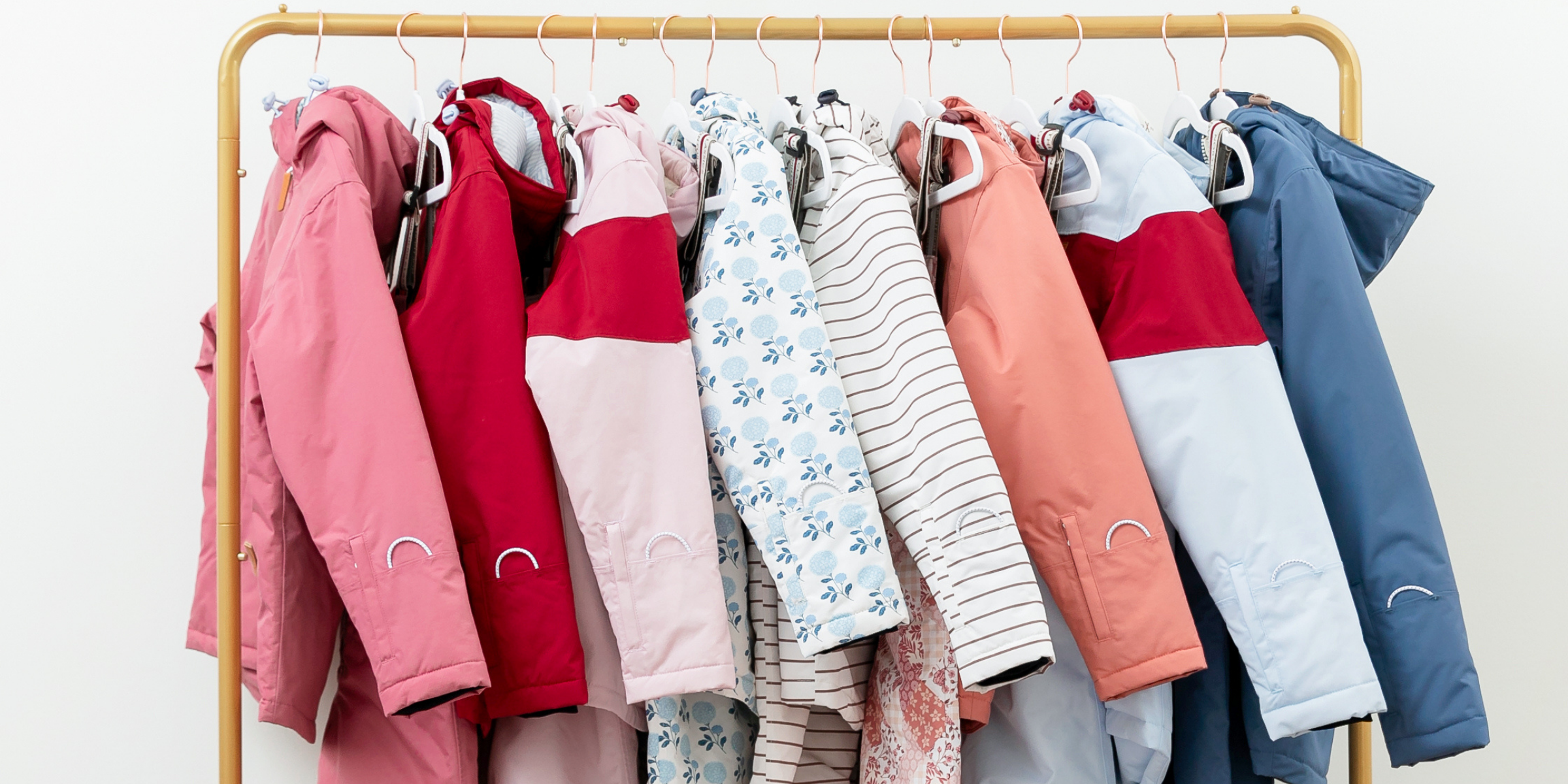
For down coats, look for 550+ fill power as a baseline for quality. For synthetic insulation, look for named fills - PrimaLoft, Thinsulate, or similar - rather than generic descriptions. Named fills have published performance specs; generic fills don't. Our Ultra Puff Coat and best selling coats use insulation selected for sustained performance, not just initial warmth ratings.
Shell and Waterproof Standards
Look for a stated waterproof rating (10,000mm or higher for active use), a DWR finish, and - for ski or heavy snow use - taped or sealed seams. These details will be listed in the product specs of quality gear; budget gear often omits them because the specs aren't competitive.
Construction Details
Quality zippers (YKK is the industry standard), reinforced seams, and adjustable closures at the cuffs, hem, and hood are all markers of gear built to last. These aren't premium features - they're baseline quality indicators that separate gear designed for real use from gear designed to look good on a hanger.
The Real Cost of Cheap Gear
Budget winter gear isn't always cheaper in practice. A coat that fails mid-season and needs replacing costs more than a quality coat that lasts two or three seasons. A pair of mittens that soaks through every day means a child who comes inside early - and a parent who ends up buying a second pair anyway. Explore our winter staples, kids' ski wear, and customer favorites for gear selected against the standards that actually matter - so you buy once and get through the season without compromise.

Leave a Comment
This site is protected by hCaptcha and the hCaptcha Privacy Policy and Terms of Service apply.