
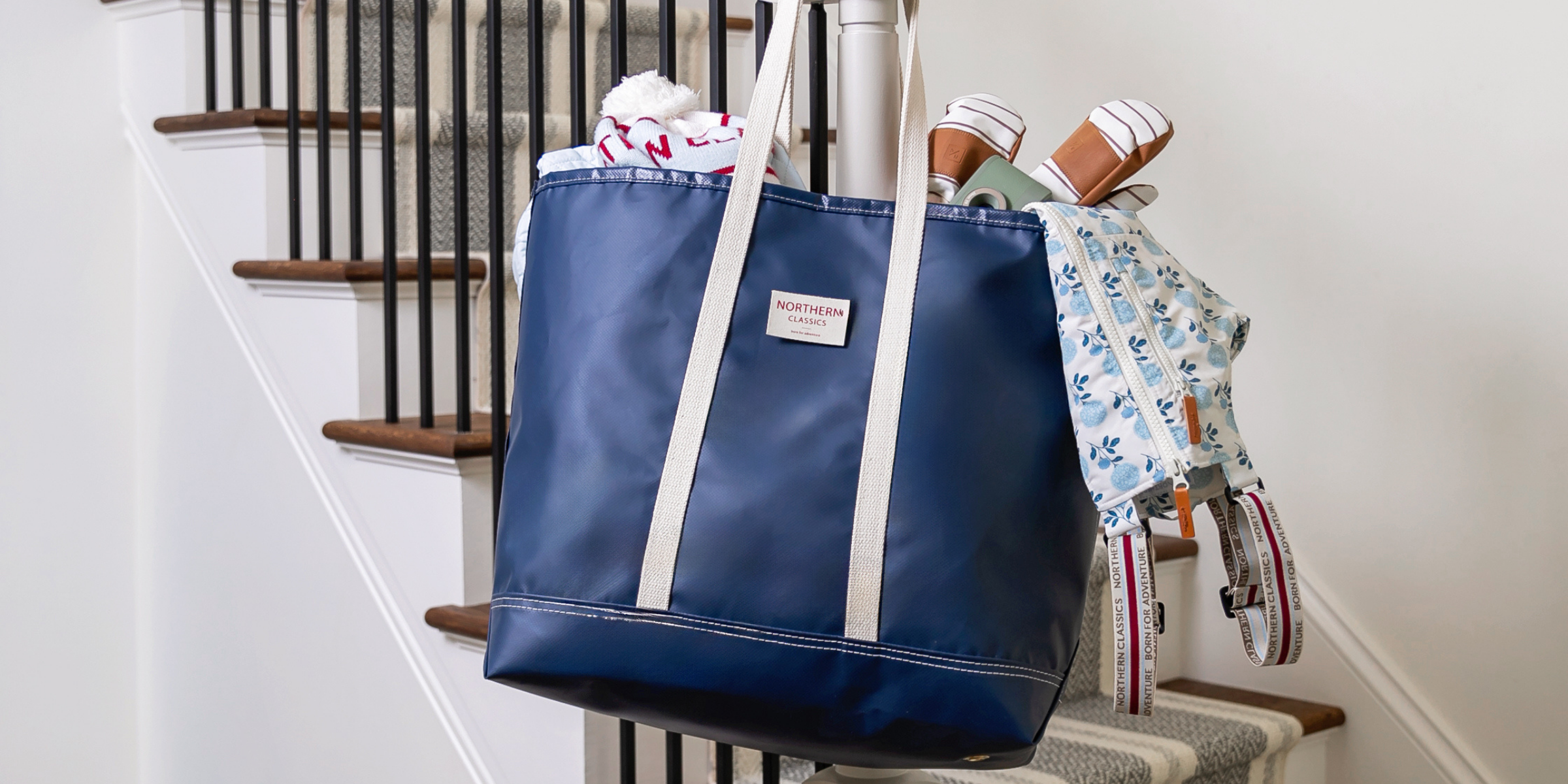
The Best Winter Gear for Kids Who Run Hot
The Hot-Running Kid Problem
Every parent of an active kid knows the scene: five minutes into recess, the coat is unzipped, the hat is off, and the mittens are somewhere in the snow. Kids who run hot aren't being difficult - they're genuinely uncomfortable in gear that isn't designed for their output level. The challenge is finding winter gear that keeps them warm when they're standing still and doesn't turn into a sauna the moment they start moving. It's a real engineering problem, and the solution isn't less gear - it's smarter gear.
Understanding Why Kids Run Hot
Children have a higher metabolic rate than adults, which means they generate more body heat relative to their size. Add in the constant movement of active play - running, climbing, wrestling in the snow - and the heat output climbs further. Gear designed for a child standing at a bus stop will overheat a child sprinting across a playground within minutes. The fix is gear that manages heat and moisture actively, not just gear that insulates passively.
The Role of Breathability
Breathability is the spec that matters most for hot-running kids - more than warmth rating, more than waterproofing. A breathable shell allows water vapor (sweat) to escape while still blocking wind and repelling external moisture. Without breathability, sweat builds up inside the coat, soaking the mid-layer and base layer and leaving the child feeling clammy and cold the moment they stop moving. Look for shells with a stated breathability rating - measured in grams of moisture vapor transmitted per square meter per 24 hours (g/m²/24h) - rather than shells that only list waterproof ratings.
The Moisture Management Chain
Breathability in the shell only works if the layers underneath are also managing moisture effectively. A breathable shell over a cotton sweatshirt will still leave a hot-running kid damp and uncomfortable, because the cotton absorbs sweat and holds it. The entire system - base layer, mid-layer, and shell - needs to be designed for moisture movement, not just warmth.
The Right Outer Shell
For kids who run hot, the outer shell is the most important piece to get right. It needs to block wind and repel moisture while allowing enough breathability to handle active output.
Prioritize Breathability Over Insulation
A shell with built-in insulation is convenient, but for hot-running kids it's often the wrong call. An insulated shell traps heat even when the child is generating plenty of their own - which is most of the time during active play. A lightweight, uninsulated shell paired with a removable mid-layer gives far more flexibility: the mid-layer comes off when they're active, goes back on when they stop. Browse our kids' ski wear for shells designed with active output in mind - breathable, weatherproof, and cut for movement.
Ventilation Features
Underarm vents - pit zips - are one of the most useful features for hot-running kids. They allow rapid heat dumping without removing a layer, which is practical during activities where stopping to de-layer isn't convenient. A coat with pit zips gives a child (or a parent) a fast way to regulate temperature on the fly. Also look for two-way zippers, which allow the bottom of the coat to be opened for ventilation without fully unzipping.
The Mid-Layer Strategy
For hot-running kids, the mid-layer is where the most flexibility lives. Getting this right makes the whole system work better.
Fleece Over Down for Active Use
Down mid-layers are warm and packable, but they don't breathe as well as fleece during high-output activity. A fleece jacket is almost always the better mid-layer choice for active kids - it breathes well, dries quickly, and maintains its insulating properties even when damp from sweat. For very cold days, a lightweight fleece can be supplemented with a vest for core warmth without restricting arm movement or adding significant heat to the upper body.
Make It Removable
The mid-layer only works as a temperature regulation tool if it can actually be removed. For school-age kids, a zip-front fleece or jacket that can be taken off independently during recess and put back on before heading inside is far more practical than a pullover. Our layers collection includes mid-layer options with full zip fronts specifically for this reason.
The Base Layer
The base layer is the foundation of moisture management for hot-running kids - and the piece most likely to be overlooked. A good base layer moves sweat away from the skin quickly, keeping the child feeling dry even during high-output activity.
Synthetic Over Merino for High Output
Both merino wool and synthetic base layers outperform cotton significantly, but for very active kids, synthetic moisture-wicking fabrics often have the edge. They dry faster than merino, which matters when a child is generating a lot of sweat over an extended period. Merino has the advantage of odor resistance and a softer feel - a worthwhile trade-off for kids who are moderately active but less so for kids who are running hard for extended periods.
Lightweight Is Better
For hot-running kids, a lightweight base layer is almost always the right choice over a midweight or heavyweight option. The base layer's job is moisture management, not insulation - the mid-layer handles warmth. A lightweight base layer moves moisture faster and feels less stifling during high-output activity. Pair with a sweater or fleece on the coldest days if extra warmth is needed at the core.
Accessories for Hot-Running Kids
Hats and mittens are the accessories most likely to come off during active play - and for hot-running kids, that's often the right call. The goal is gear that's easy to remove and put back on independently.
Lighter Hats and Helmet Liners
A thick knit hat can be genuinely too warm for a hot-running kid during active play. A lighter fleece beanie or a thin helmet liner gives enough warmth for cold days without causing overheating during movement. For kids who ski or sled, a helmet handles most of the head warmth - a thin liner underneath is usually sufficient even on cold days.
Mittens With Easy On-Off
Hot-running kids take their mittens off constantly - which means mittens that are hard to put back on independently will end up lost in the snow. Look for kids' mittens with simple, wide openings and easy closures that a child can manage without help. A leash or clip that attaches mittens to the coat sleeve is worth considering for younger kids who lose them regularly.
Building the Full System
The right winter gear system for a hot-running kid prioritizes breathability, moisture management, and flexibility over maximum insulation. A lightweight moisture-wicking base layer, a removable fleece mid-layer, and a breathable weatherproof shell covers the full range of winter conditions - warm enough when they stop, comfortable enough when they don't. Explore our winter coats, best selling coats, and winter staples to find the pieces that work together as a system - and keep active kids comfortable from first run to last.


Leave a comment
This site is protected by hCaptcha and the hCaptcha Privacy Policy and Terms of Service apply.