
How to Keep Kids’ Hands Warm in Winter
Few winter frustrations ruin an otherwise good outing faster than cold hands. A child can have a warm winter coat, great boots, and perfect snow conditions, but if their hands are freezing, the day often unravels quickly. Parents know the pattern well. The child was excited to go outside ten minutes ago, and now they are upset, uncomfortable, and ready to be done.
That is why learning how to keep kids’ hands warm in winter matters so much. It is not just about comfort. Warm hands often determine how long children can stay outside, how willing they are to participate, and how smoothly winter outings go overall.
Why kids’ hands get cold so quickly
Children tend to get cold hands for a few different reasons. Sometimes the problem is obvious, like gloves that are too thin or mittens that got wet early. But often it is a combination of factors: the wrong fit, not enough insulation, gaps at the cuffs, or gear that looks warm but does not perform particularly well once it is exposed to snow.
Kids are also not always good at noticing the early stages of discomfort. They keep playing until the cold catches up with them. By the time they complain, their hands may already be much colder than they realize.
Mittens usually win for warmth
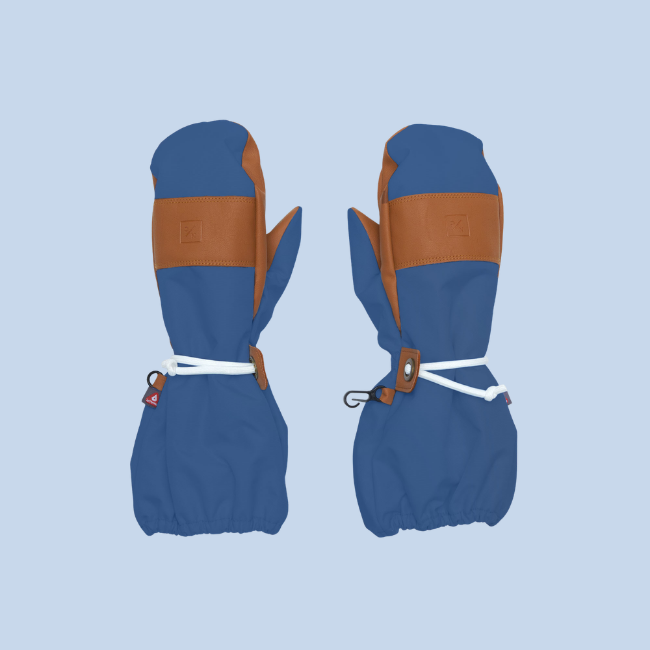
For most children, mittens are warmer than gloves. The reason is simple: fingers generate more warmth when they stay together. Gloves offer more dexterity, but that often comes at the cost of warmth.
That is why mittens are usually the best choice for younger children, frequent snow play, and colder conditions. Gloves may still make sense for certain activities or older children who want more finger movement, but when the goal is purely warmth, mittens usually come out ahead.
Fit matters more than many parents expect
Parents often focus on the fabric or lining first, but fit plays a huge role in warmth. Mittens or gloves that are too tight can restrict circulation and make hands colder. Gear that is too loose may let in air and snow or make it harder for children to move comfortably.
The best fit feels secure without squeezing. It leaves enough room for warmth to build while still allowing the child to wear the mitten or glove naturally.
Cuffs, closures, and keeping snow out
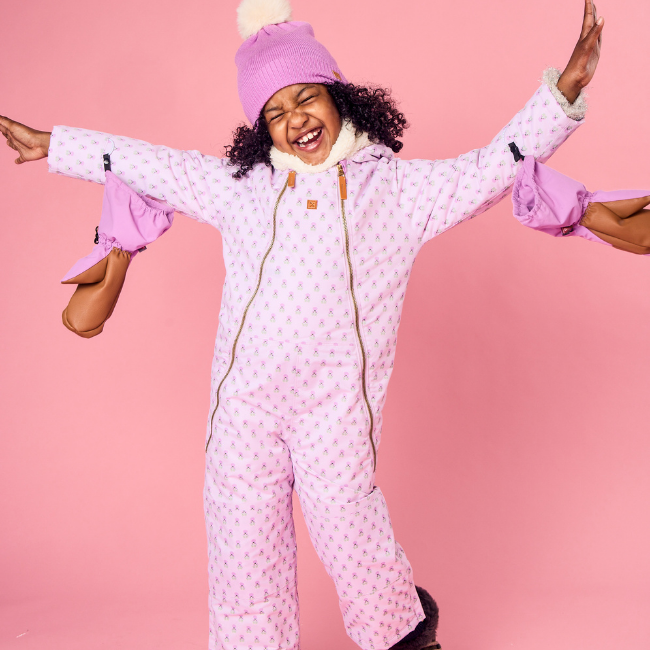
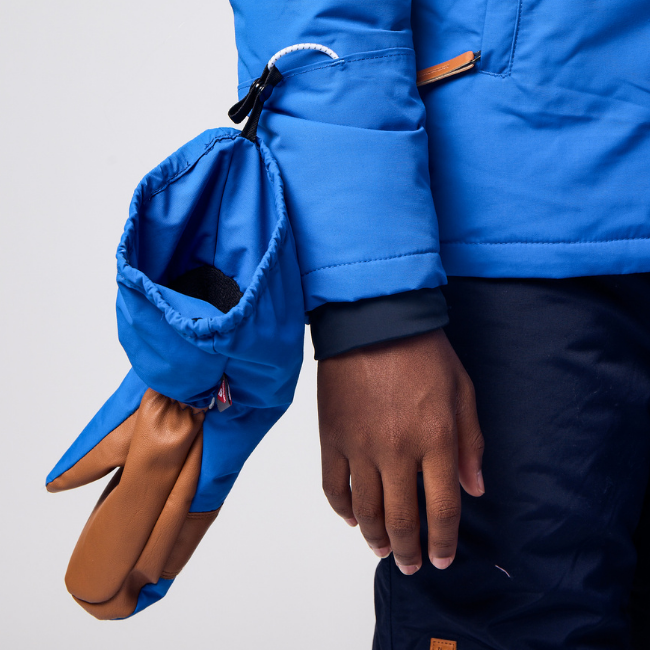
Even warm handwear will struggle if snow gets in easily. Cuffs matter because they help create a better seal between the mitten and the coat sleeve. When there is a gap, cold air and snow can work their way in quickly.
This is especially important for kids who spend a lot of time digging, falling, or sitting in snow. A mitten with a thoughtful cuff design can make a noticeable difference over the course of a long outdoor day.
Why wet hands get cold fast
Moisture is one of the fastest ways to lose warmth. Once mittens or gloves become damp, they usually feel colder much sooner. This is why waterproofing or strong moisture resistance matters so much in winter handwear.
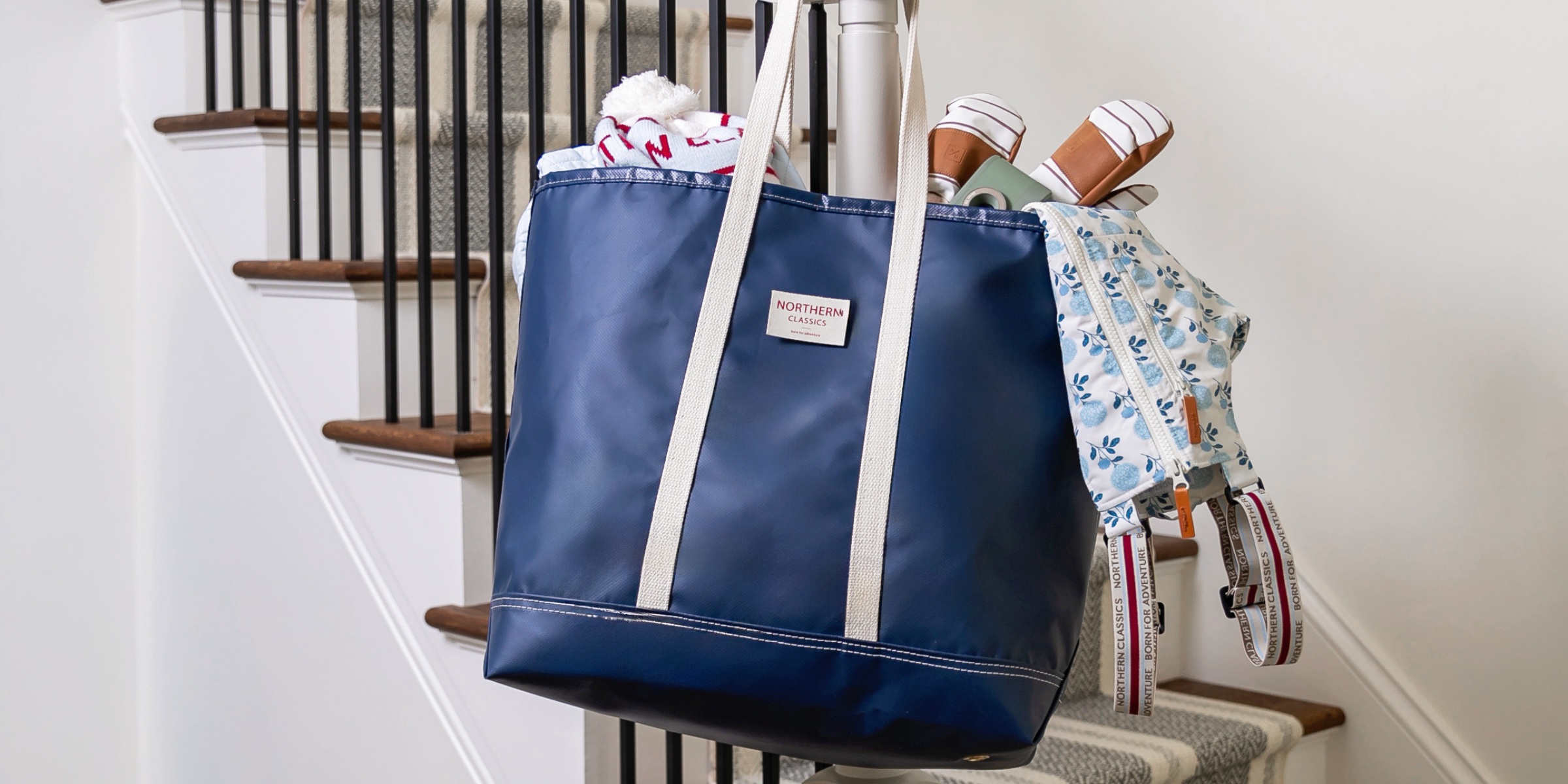
It is also one of the reasons parents often need a backup pair. Even the right mitten can struggle after hours of heavy snow play, especially with younger children who are rough on gear.
Common mistakes parents make
One of the most common mistakes is assuming any glove labeled winter is warm enough. Many everyday winter gloves are fine for short outings but not nearly enough for prolonged snow play or skiing.
Another mistake is choosing gloves for dexterity when mittens would better match the child’s needs. There is also the tendency to overlook the importance of dry backups. A second pair may not always seem necessary until the first pair is soaked halfway through the day.
Parents also sometimes focus only on the hands themselves and forget that overall body warmth matters. A child who is underdressed elsewhere may struggle to keep hands warm no matter how good the mittens are.
How to build a better handwear system
The best way to keep kids’ hands warm is to think in systems rather than single products. Start with a mitten or glove that is appropriate for the temperature and activity. Make sure the fit is right. Pair it with a coat sleeve and cuff arrangement that helps keep snow out. Pack a backup pair when the day will be long or very snowy.
This approach works especially well for ski trips, school recess, and sledding days, when exposure is extended and conditions may change.
What to choose for different winter situations
For school mornings and shorter everyday use, many children may be fine with lighter handwear, as long as temperatures are not severe. For snow play, sledding, and skiing, warmer mittens with better weather protection are usually the safer choice.
If your child consistently complains about cold hands, it is worth shifting toward more warmth rather than hoping they will simply tolerate it better next time.
The bottom line
Keeping kids’ hands warm in winter comes down to choosing the right mitten or glove, getting the fit right, and planning for the realities of snow and moisture. Mittens are often warmer than gloves. Good cuffs matter. Dry gear matters. And warm hands are rarely the result of luck.
When parents get this part right, winter gets easier. Children stay outside longer, complain less, and enjoy the season more fully.

Leave a Comment
This site is protected by hCaptcha and the hCaptcha Privacy Policy and Terms of Service apply.