


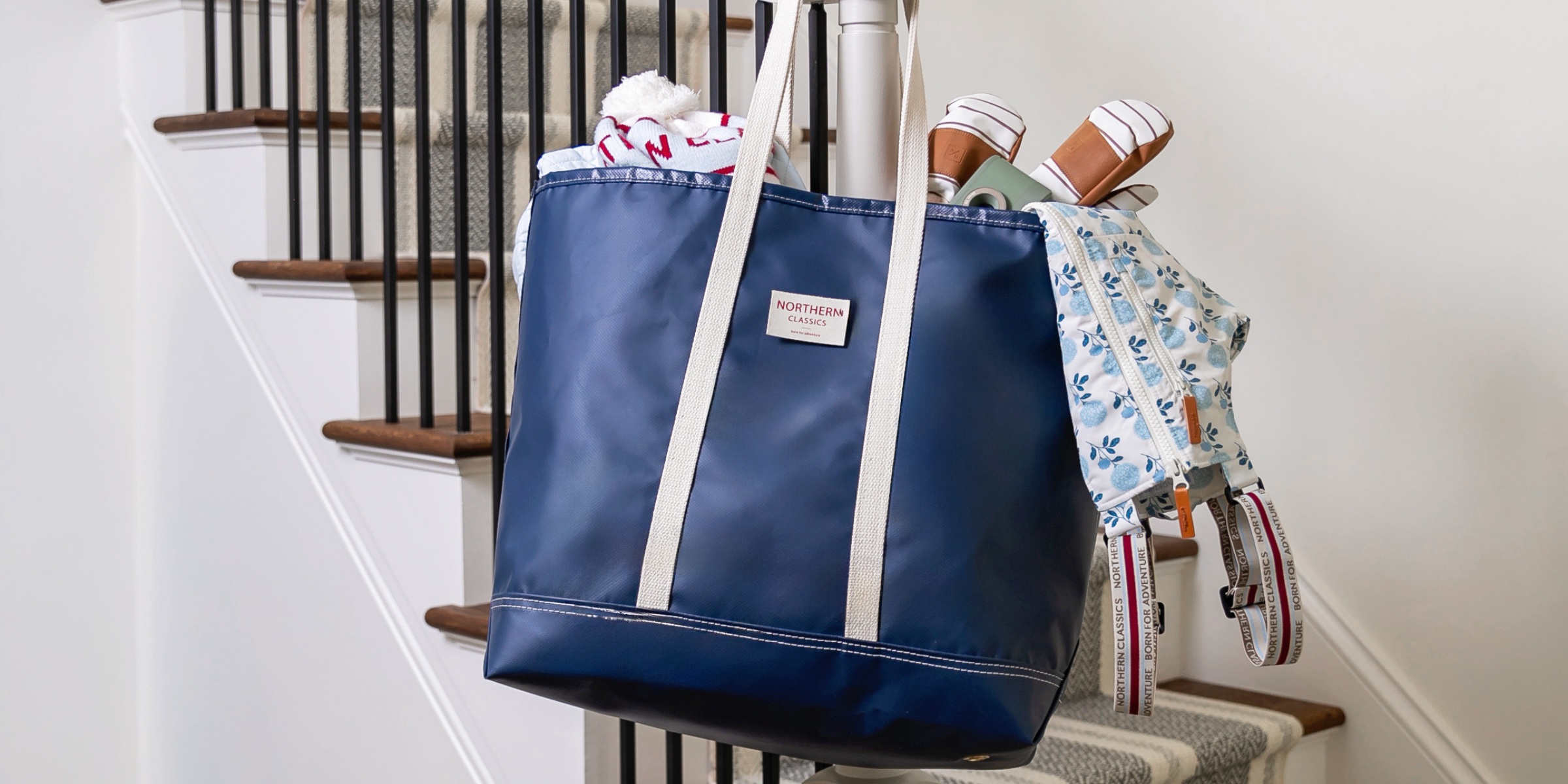
How to Store Kids’ Winter Clothes for Next Season
When winter ends, many families are so relieved to put the gear away that they do it quickly and without much thought. Coats get shoved into bins, mittens disappear into random drawers, and snow pants are folded up while still carrying traces of the season. It feels fine in the moment, but by the time cold weather returns, the results are not always ideal.
Learning how to store kids’ winter clothes properly does not require a complicated system. It just requires a little intention. The payoff is real: winter coats stay in better shape, snow pants are easier to find, accessories remain matched together, and the next season starts with much less stress.
Start by storing only what is worth keeping
Before putting anything away, take a quick look at what still fits, what is still in good shape, and what is worth saving for another child. Not every item needs to be stored. Some pieces may be too worn out, too small, or too incomplete to justify keeping.
This first pass helps prevent clutter and makes the storage system more useful overall. There is no reason to organize items your family will never realistically use again.
Make sure everything is clean and dry
One of the most important parts of winter clothing storage is making sure the pieces are actually ready to be put away. Dirt, moisture, and small stains are easy to ignore in the spring, but they have a way of becoming bigger issues when items sit untouched for months.
Winter coats, snow pants, and accessories should be clean and fully dry before going into storage. This helps protect the fabric and makes the gear much nicer to pull out again later.
Keep sets and categories together
Parents know the frustration of discovering one mitten in October and the matching one sometime in January. The simplest way to avoid that is to store related items together from the start.
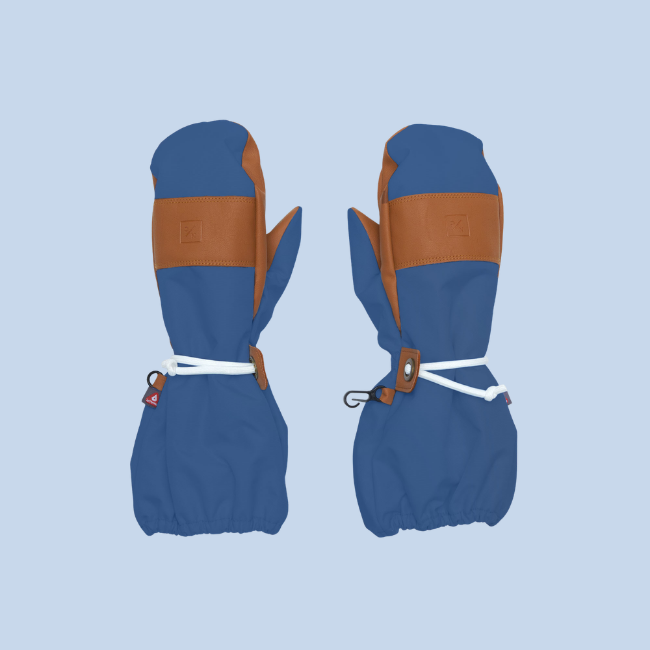
Keep handwear in one category, hats in another, and store full sets or size groups in a way that makes sense for your family. Snow pants should not be buried separately from the coats and layers that go with them if you can avoid it.
Store by size when possible
If you have multiple children or expect to hand items down, size-based storage is often the easiest system. Grouping winter clothes by size makes the next season’s setup much simpler. Parents can quickly see what is ready to use, what is available for a younger sibling, and what still needs to be purchased.
This becomes especially helpful with outerwear because it is usually one of the biggest seasonal purchases.
Protect the pieces that matter most
Not every item in a child’s winter wardrobe carries the same value. Winter coats, snow pants, and quality accessories are often the pieces most worth protecting carefully. These are the items families most often hope to reuse or pass down.
Giving those pieces proper space, keeping them dry, and avoiding crushed or chaotic storage helps preserve their condition.
Why good storage supports hand-me-down use
Families hoping to hand items down often focus on buying durable clothing, but storage matters too. Even excellent winter gear can lose some of its usefulness if it is stored carelessly. Accessories go missing. Coats pick up odors or wrinkles. Pieces are forgotten or overlooked when the next season begins.
A smart storage system supports the longevity families are already trying to get from the clothing.
Keep a quick inventory if it helps
Some parents benefit from writing a very simple note before sealing storage away: what is inside, what sizes are covered, and what may still be missing for next year. This does not need to be elaborate. Even a quick list can save time months later.
Make next season easier on yourself
The best storage systems are really about future convenience. When the weather changes again, parents should be able to pull out winter gear and understand what they have. They should know which winter coats fit which child, whether the snow pants are ready to go, and if any gaps need to be filled.
That clarity makes back-to-season shopping less stressful and often more cost-effective.
Store for access, not perfection
It is easy to imagine that winter storage has to look highly organized to work well, but the most important thing is simply that it is usable. The system should fit your family. If bins, labeled bags, shelves, or grouped drawers make sense, use those. The best approach is the one you will actually repeat.
The bottom line
Storing kids’ winter clothes well is less about elaborate organization and more about a few smart habits: keep what is worth saving, clean and dry it first, group it logically, and make it easy to find next season.
When families do that, winter coats, snow pants, and accessories stay in better condition, hand-me-downs become more realistic, and the return of cold weather feels much more manageable.

Leave a Comment
This site is protected by hCaptcha and the hCaptcha Privacy Policy and Terms of Service apply.