
How to Make Kids’ Winter Gear Last More Than One Season
Kids grow fast. One minute their coat sleeves fit perfectly, and the next minute their snow bibs are suddenly too short. For many families, it can feel like winter gear has a very short lifespan simply because childhood moves so quickly.
But while growth spurts are inevitable, that does not mean kids’ winter gear should only last one season.
With the right approach, families can often get much more life out of winter coats, snow bibs, snow pants, and other cold-weather essentials than they might expect. Choosing well-made gear, looking for adjustable features, and taking proper care of winter clothing can all help extend its lifespan. In many cases, the same gear can last through a full extra season, be handed down to a sibling, or stay in great shape for resale or sharing.
That matters not only for family budgets, but also for practicality. Well-made winter gear is an investment, and parents want to know that the pieces they choose will hold up to sledding hills, school recess, ski trips, backyard snow play, and everyday winter wear.
The good news is that making kids’ winter gear last longer does not have to be complicated. A few smart decisions at the time of purchase - and a little extra care during and after the season - can make a big difference.
Here is how to help kids’ winter clothing last more than one season.
Start with Adjustable Designs
One of the best ways to make winter gear last longer is to choose pieces designed with growth in mind.
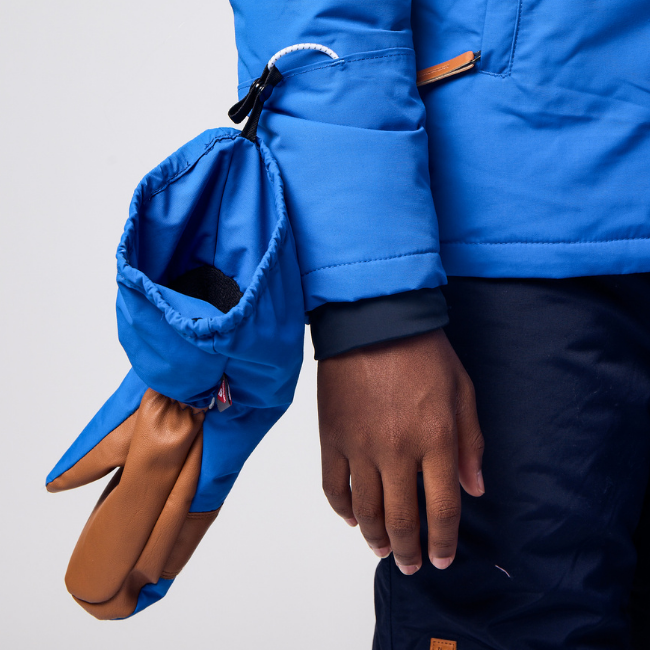
Children may outgrow clothing quickly, but some winter outerwear is made to adapt better than others. Features like adjustable shoulder straps, extendable pant legs, adjustable cuffs, elastic waists, and flexible fits can all help gear fit well for longer. These small details can give families more room to work with as kids grow through the season or between winters.
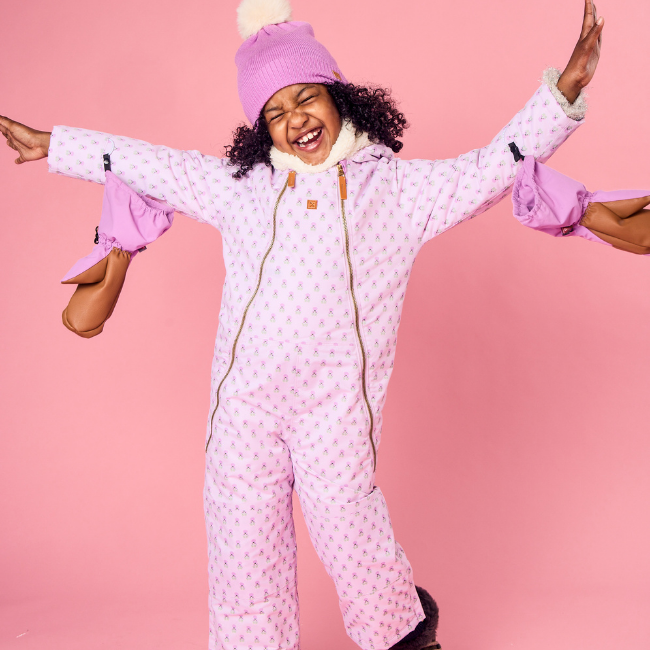
This is especially important when shopping for kids’ snow bibs, snow pants, and winter coats. Bibs with adjustable straps can often accommodate height changes better than fixed designs. Coats with thoughtfully designed fits can allow room for layering without feeling overly bulky. Pants with reinforced hems or adjustable features may continue fitting even after a child grows a bit taller.
When shopping for kids’ winter gear, it helps to think beyond how it fits today. Ask whether the design allows for movement, layering, and a little room to grow. A slightly flexible fit is often much more useful than an overly snug one that may only work for a few months.
That does not mean buying gear that is far too big. Oversized winter clothing can restrict movement and be uncomfortable for kids. But choosing a well-designed piece with practical adjustability can help bridge the gap between one size and the next.
Choose Durable Materials That Can Handle Real Play
Another major factor in whether winter gear lasts is material quality.
Kids are hard on outerwear. They kneel in wet snow, slide down icy hills, crawl through forts, climb playgrounds, sit on rough benches, and run through all kinds of winter conditions. Gear that is poorly made or built from weak materials tends to show wear quickly.
That is why durable construction matters so much. If you want kids’ winter gear to last more than one season, look for strong fabrics, reinforced high-wear areas, and materials made to handle repeated use. High-quality outerwear is better equipped to resist tearing, abrasion, and breakdown from active play.
This matters especially in areas like:
-
knees
-
seat panels
-
cuffs
-
hems
-
zipper areas
-
shoulders and strap attachments
Snow bibs and snow pants, in particular, take a lot of wear. Reinforced knees and seat areas can help them survive frequent sledding, kneeling, and playground use. Durable outer fabrics on coats can help prevent rips and scuffs from daily use. Quality zippers, closures, and stitching also play a big role in how long a garment holds up.
When parents invest in better-made winter gear, they are often paying for more than warmth. They are also paying for durability, reliability, and the ability to get more than one season out of a piece.
Prioritize Quality Over Quantity
It can be tempting to buy the least expensive option, especially knowing how fast kids grow. But when it comes to winter outerwear, quality often matters more than quantity.
A cheaper coat or pair of snow pants may seem like a good value at first, but if it loses warmth, rips easily, or stops performing halfway through the season, it may not save money in the long run. By contrast, higher-quality gear can often withstand more wear, hold its shape better, and stay functional long enough to pass down.
For families thinking long term, it often makes more sense to buy fewer, better pieces than to replace low-quality gear over and over again. A thoughtfully made winter coat or bib that lasts through one child and is still in great shape for another offers much more value over time.
That is one reason many parents look for outerwear brands that focus on durability, weather performance, and timeless design. When winter gear is built well, it is much easier to extend its life season after season.
Wash Winter Gear the Right Way
Even the best winter gear will not last as long if it is not cared for properly.
Washing outerwear the wrong way can wear down fabrics, reduce waterproof performance, and shorten the life of the garment. To help kids’ winter coats and snow bibs last longer, it is important to follow care instructions carefully and use products that support performance fabrics.
In general, it is best to use a gentle detergent and avoid harsh additives. One of the biggest mistakes parents make is using fabric softener on technical outerwear. While fabric softener may seem harmless, it can actually interfere with the performance of waterproof and breathable materials.
If a coat or pair of bibs is designed to repel moisture, protect against snow, and allow heat and sweat to escape, proper washing matters. Residue from strong detergents or softeners can reduce how well those fabrics perform.
A few good habits include:
-
washing only when needed
-
using a gentle detergent
-
skipping fabric softener
-
closing zippers and fasteners before washing
-
following the garment’s care label
Regular but careful cleaning helps remove dirt, sweat, and buildup without damaging the gear. That helps outerwear stay functional and looking better throughout the season.
Tumble Dry Low to Protect Fabric Performance
Drying winter gear correctly is just as important as washing it correctly.
High heat can be tough on technical fabrics, insulation, and trim. Over time, too much heat may weaken fibers, warp materials, or reduce performance. That is why low heat is usually the safer choice when drying kids’ winter outerwear.
Using tumble dry low can help maintain fabric integrity while reducing unnecessary wear. It is a simple step, but one that can help extend the life of coats, snow pants, and bibs.
Parents sometimes assume that heat will help gear dry faster and better, but more heat is not always better. A gentler drying process is often the smarter way to protect materials that are designed for warmth, water resistance, and breathability.
As always, care labels should guide the process. But in general, lower heat is a safer bet for helping winter clothing last.
Store Winter Gear Carefully at the End of the Season
How winter gear is stored matters more than many people realize.
At the end of winter, it can be tempting to toss coats and snow bibs into a closet or storage bin and deal with them again when the weather turns cold. But proper end-of-season care can make a major difference in how gear looks and performs next year.
Before storing kids’ winter clothing, make sure each piece is clean and completely dry. Storing damp or dirty gear can lead to odors, mildew, staining, or fabric breakdown over time. Once items are washed and dried, store them in a cool, dry place where they will stay protected during the off-season.
This is especially important for gear you hope to use again next year or pass down to a sibling. Taking a few extra minutes to store winter clothing properly can help preserve its condition and make the next season much easier.
When the first snow arrives again, it is much better to pull out clean, fresh, ready-to-wear outerwear than to discover stains, smells, or damage that could have been prevented.
Think About Hand-Me-Down Potential
One of the best reasons to invest in durable winter gear is the potential to pass it along.
When clothing is built well and cared for properly, it can often last through multiple kids or multiple seasons. That makes quality winter gear especially valuable for growing families. A sturdy coat, pair of bibs, or snow pants may begin with one child and continue on to a younger sibling, cousin, or friend.
This hand-me-down potential is one of the biggest advantages of buying well-made outerwear. Timeless design, durable materials, and proper care all increase the chance that a piece will stay useful beyond a single child or a single winter.
For parents, that can make a higher upfront investment feel much more worthwhile.
The Right Fit and Care Make All the Difference
At the end of the day, making winter gear last is not about luck. It comes down to a combination of thoughtful design, durable materials, and proper care.
If you want kids’ winter gear to last more than one season, focus on the things that matter most:
-
choose adjustable features that allow room to grow
-
look for durable fabrics and reinforced construction
-
wash outerwear gently and avoid fabric softener
-
tumble dry on low heat
-
store gear clean and dry at the end of the season
These simple habits can make a big difference in how long coats, bibs, mittens, and snow pants hold up.
The Bottom Line
Kids may grow fast, but winter gear does not have to be disposable.
When families choose high-quality outerwear and care for it properly, many winter pieces can last far beyond a single season. Adjustable designs, durable materials, gentle washing, low-heat drying, and careful storage all help extend the life of kids’ winter clothing.
That means less waste, better value, and gear that is ready for more adventures - whether that means another winter with the same child or a second life with a younger sibling.
Because when winter clothing is built well and cared for properly, it can keep kids warm, dry, and comfortable for many snowy seasons to come.


Leave a Comment
This site is protected by hCaptcha and the hCaptcha Privacy Policy and Terms of Service apply.