

Kids Winter Coat and Snow Pants Set: How to Build the Right Winter Gear System
A good kids winter outfit is more than just a warm coat. For real snow days, ski trips, sledding hills, and outdoor recess, kids need a full winter gear system that works together.
That starts with a kids winter coat and snow pants set.
When the coat, snow pants, mittens, hat, and neck warmer all work as a team, kids stay warmer, drier, and more comfortable outside. When one piece is missing or not built for snow, winter play can unravel fast.
Here is how to build the right kids winter coat and snow pants set for school days, ski days, and everyday cold-weather adventures.
Start with a waterproof kids winter coat
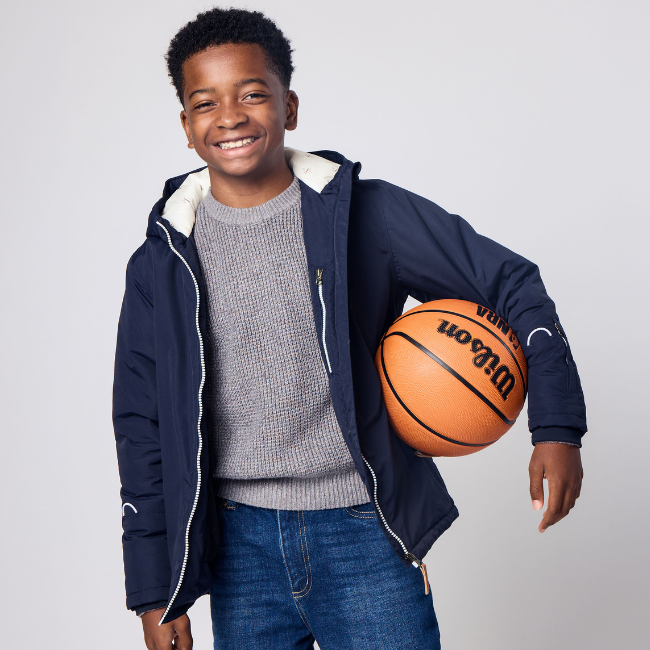
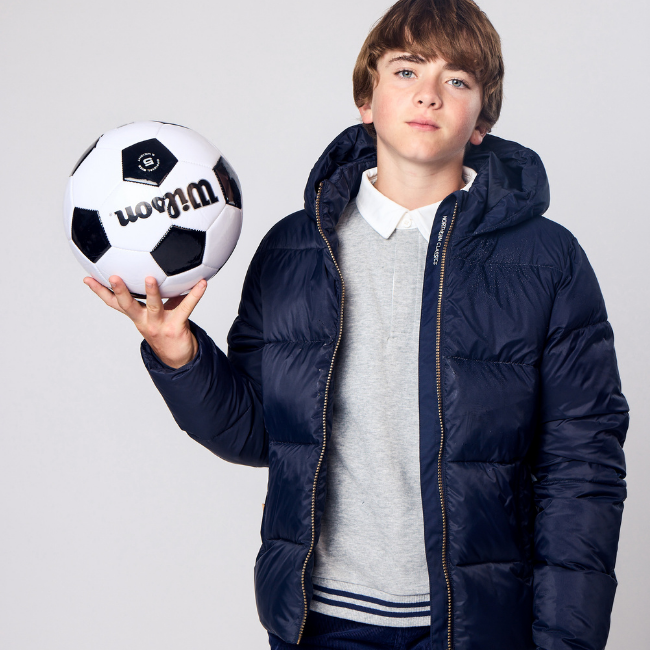
The winter coat is the anchor of the set. It needs to provide warmth, block cold air, and protect against snow and slush.
For real winter weather, look for a kids winter coat with:
- Waterproof protection
- Warm insulation
- Fully taped seams
- A comfortable fit
- Secure cuffs
- A protective hood
- Durable fabric
- Easy movement
A winter coat should be warm enough for cold days but not so bulky that kids cannot move. They should be able to run, climb, ski, sit, and play without feeling restricted.
The best kids winter coats work for everyday wear and outdoor play. That means they should look polished enough for school and family outings, but still perform when the snow starts falling.
Add snow pants or snow bibs
Snow pants protect the lower half, which is especially important because kids spend so much time sitting, kneeling, and falling in snow.
For many younger kids, snow bibs are the best option because they offer extra coverage through the chest and back. Bibs help prevent snow from sneaking between the coat and pants, which is especially helpful for sledding, skiing, and deep snow play.
Look for kids snow pants or bibs with:
- Waterproof fabric
- Warm insulation
- Fully taped seams
- Adjustable straps or waistband
- Reinforced knees
- Boot gaiters
- A comfortable fit over winter boots or ski boots
Snow pants should be easy to move in and durable enough for repeated winter wear.
Choose bibs for younger kids and active snow play
Snow bibs are especially helpful for toddlers and younger children because they stay in place better than regular snow pants. They also add extra warmth around the core and help block snow from getting inside.
Bibs are a smart choice for:
- Toddlers
- Ski days
- Sledding
- Deep snow
- Outdoor recess
- Kids who love rolling, climbing, and crawling through snow
Regular snow pants can work well for older kids, especially if they prefer a simpler fit. But for maximum coverage, bibs are hard to beat.
Make sure the coat and snow pants overlap well
A winter coat and snow pants set should work together. If there is a gap between the coat and pants, snow can sneak in when kids bend, sit, or fall.
To avoid that, make sure:
- The coat provides good coverage through the waist
- The snow pants or bibs rise high enough
- The fit allows movement without pulling apart
- Layers are not too bulky underneath
- The child can bend and sit comfortably
For skiing and sledding, this overlap matters even more. Snow down the back is usually the beginning of the end.
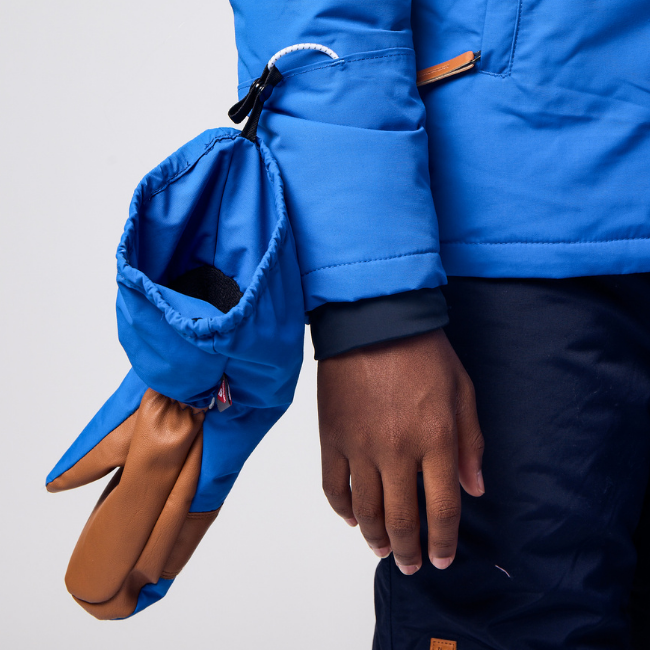
Add waterproof mittens
Once the coat and snow pants are covered, mittens are next. Cold hands can end winter play quickly.
For kids, mittens are usually warmer than gloves because fingers stay together and share warmth. They are also easier for younger kids to put on.
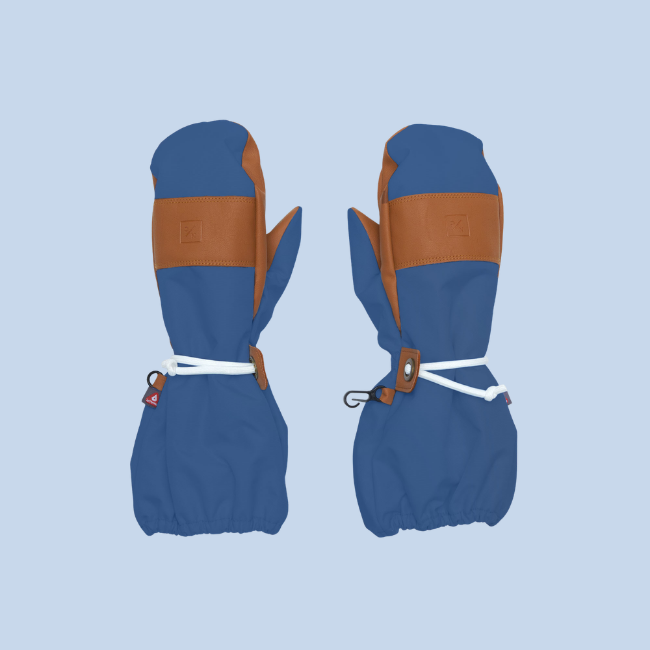
Look for mittens that are:
- Waterproof
- Insulated
- Easy to secure
- Long enough to cover the wrist
- Comfortable for gripping poles, sleds, or playground equipment
- Attachable when possible
Mitten loops or attachment points can help prevent lost mittens, which is one of the great recurring dramas of winter parenting.
Use a hat and neck warmer to seal in warmth
Even with a great coat, gaps around the head and neck can let cold air in. A warm hat and neck warmer help complete the winter gear system.
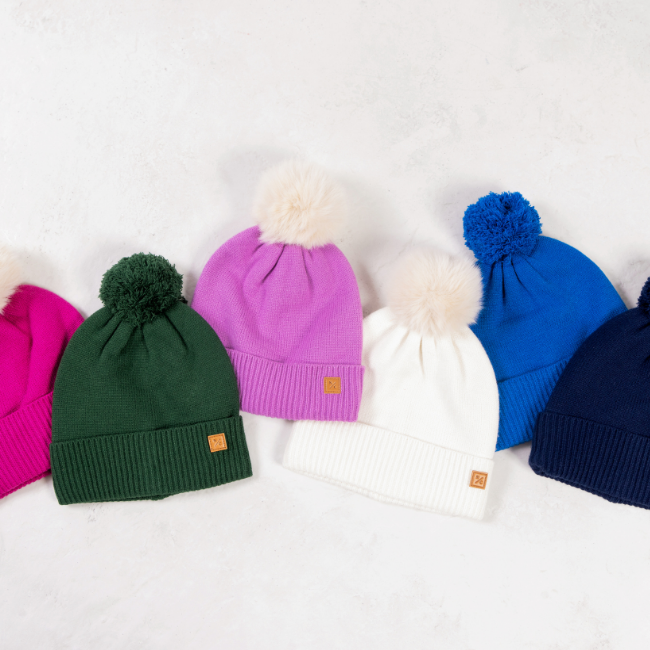
A good winter hat should cover the ears and stay put. A neck warmer helps cover the space between the coat and chin without the loose ends of a scarf.
For school days, ski trips, and outdoor play, a neck warmer is especially practical because it is easy to wear and less likely to get in the way.
Layer underneath based on temperature
A kids winter coat and snow pants set works best with the right layers underneath. The colder the weather, the more strategic the layers should be.
For mild winter days: long-sleeve shirt, pants or leggings, winter coat, snow pants or bibs if playing in snow, mittens, hat, and boots.
For colder snow days: base layer, fleece jacket or mid layer, winter coat, snow pants or bibs, waterproof mittens, hat, neck warmer, and winter boots.
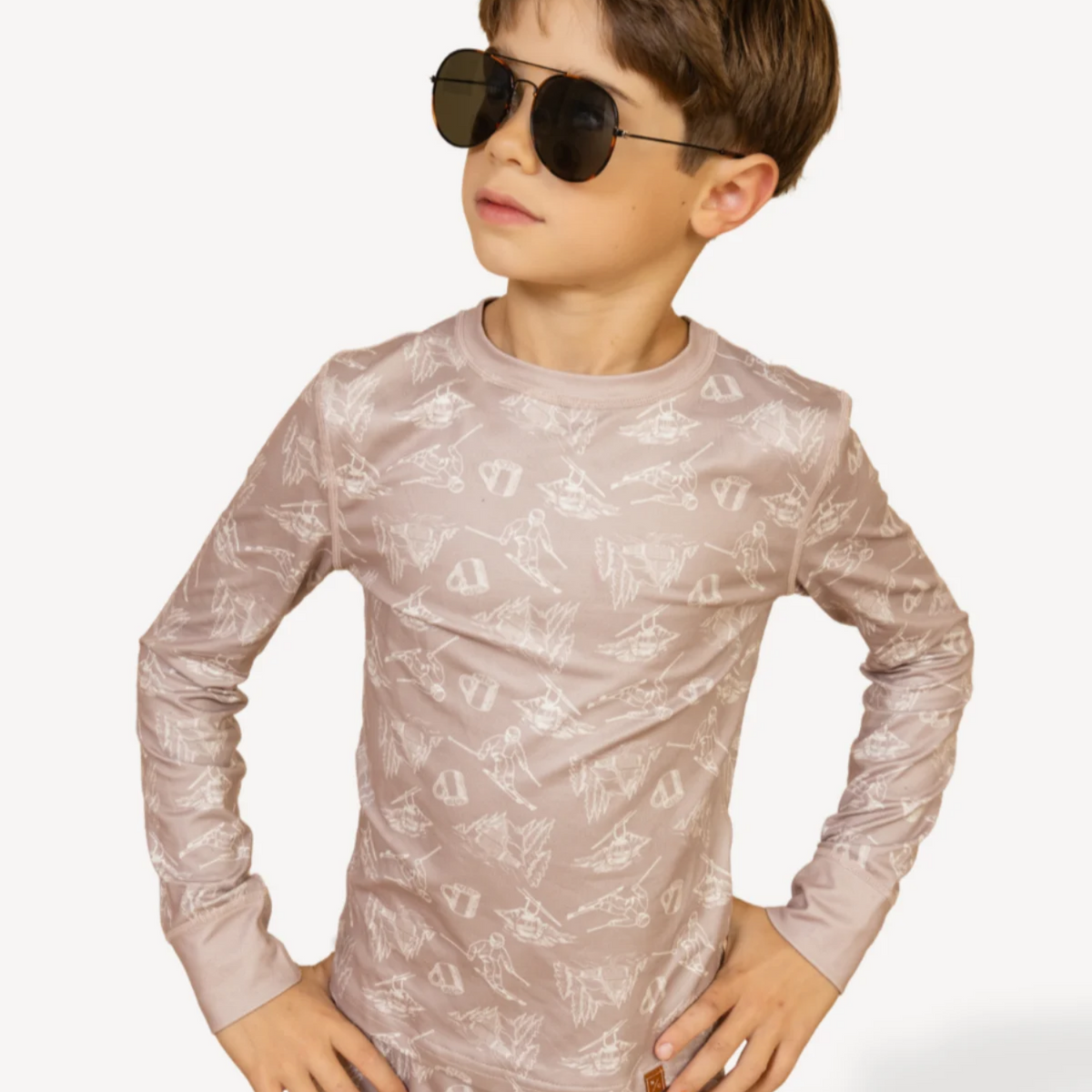
For ski days: thermal base layer, optional fleece jacket, waterproof winter coat, snow bibs or snow pants, ski socks, waterproof mittens, helmet or hat, and neck warmer.
Avoid over-layering to the point where kids cannot move comfortably. The goal is warmth, not marshmallow architecture.
Build different sets for different winter needs
The right winter set depends on how your child will use it.
For school days
Choose gear that is warm, durable, and easy to get on and off. Kids need to move quickly for recess and outdoor play, so simple details matter. A kids winter coat, snow pants or bibs, waterproof mittens, hat, neck warmer, and winter boots covers everything.
For ski days
Ski days require more technical protection because kids are outside longer and exposed to wind, snow, and changing temperatures. Start with a thermal base layer, then add a waterproof winter coat, snow bibs or snow pants, waterproof mittens, neck warmer, ski socks, and a helmet.
For toddlers
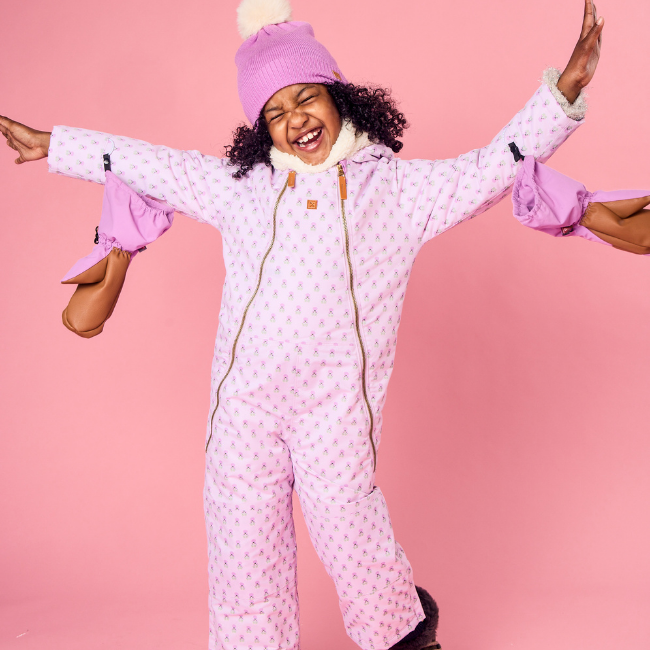
Toddlers need extra coverage because they sit and fall in snow often. A toddler snowsuit or winter coat paired with snow bibs, waterproof mittens, a hat, neck warmer, and winter boots is the right foundation.
For everyday winter wear
For errands, school pickup, walks, and outdoor play, choose pieces that are warm but not overly fussy. A kids winter coat, a fleece jacket for milder days, mittens, hat, neck warmer, and boots covers most situations.
Do kids need both a winter coat and a puffer jacket?
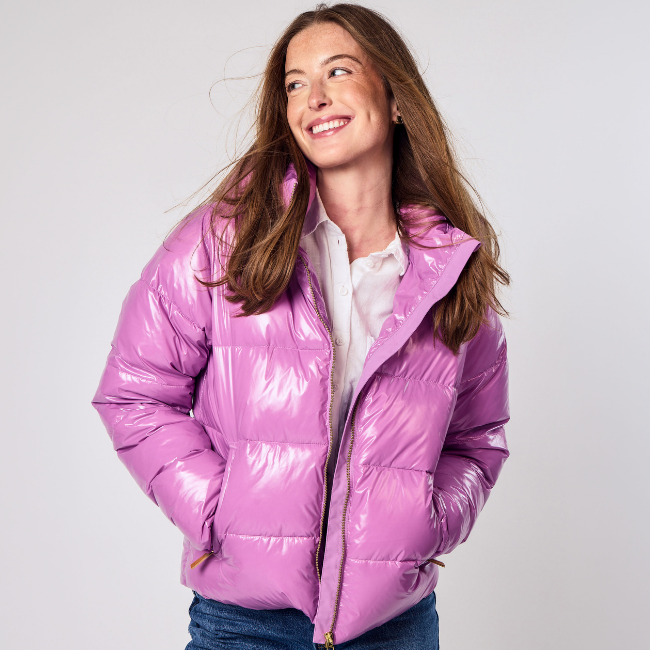
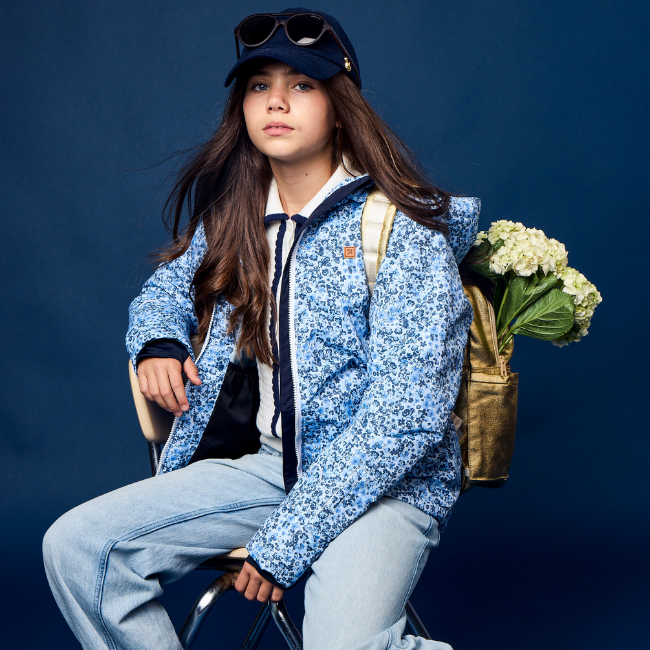
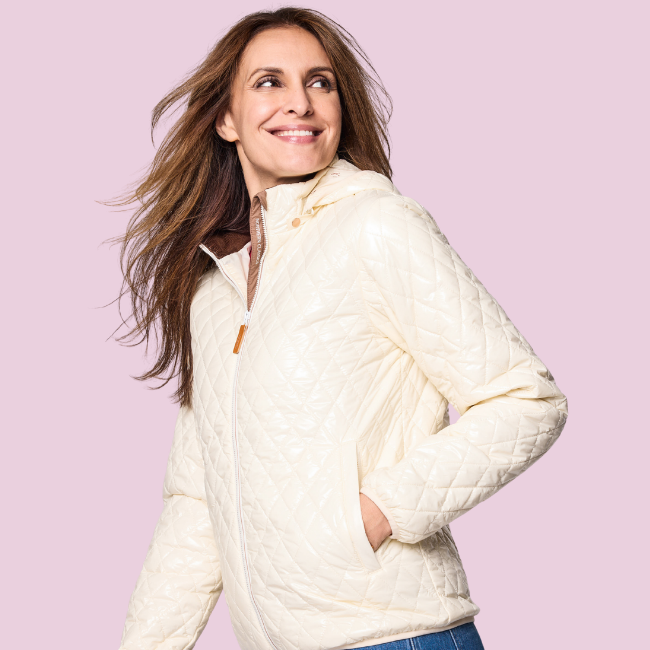
For many families, yes. A waterproof winter coat is best for snow, skiing, slush, and cold-weather play. A puffer jacket can be great for milder winter days, city outings, school mornings, and everyday wear when full snow protection is not needed.
If you live somewhere with true winter weather, a waterproof winter coat should be the main outerwear piece. A puffer jacket can be the lighter layer for in-between days.
Final thoughts
A kids winter coat and snow pants set should keep children warm, dry, and comfortable through real winter weather. Start with a waterproof winter coat, add snow pants or bibs, then complete the set with mittens, a hat, a neck warmer, and warm boots.
For snow days and ski trips, waterproof protection and full coverage matter most. For school and everyday winter wear, comfort and easy movement are just as important.
When every piece works together, kids can stay outside longer, play harder, and enjoy winter with fewer cold, wet interruptions.
Shop Northern Classics kids winter coats and snow pants and bibs to build a complete winter gear set for snow days, ski days, and everyday winter play.
Leave a Comment
This site is protected by hCaptcha and the hCaptcha Privacy Policy and Terms of Service apply.