


Waterproof vs. Water-Resistant Kids Winter Coats: What Parents Should Know
When shopping for a kids winter coat, it is easy to focus on warmth first. But for real winter weather, warmth is only part of the story. Snow, sleet, slush, freezing rain, wet playgrounds, and long ski days can all turn a cozy coat into a cold one if moisture gets through.
That is where waterproofing matters.
You have probably seen both "waterproof" and "water-resistant" used in winter coat descriptions. They sound similar, but they do not mean the same thing. For parents choosing a kids winter coat, understanding the difference can help you pick outerwear that actually works for the way kids play.
What does water-resistant mean?
A water-resistant winter coat can handle light moisture for a short amount of time. It may help shed light snow or mist, but it is not built for extended exposure to wet conditions.
Water-resistant outerwear can be useful for mild weather, quick errands, or light flurries. But once snow starts melting into the fabric, or a child is sitting, kneeling, or rolling in snow, water-resistant protection may not be enough.
Water-resistant coats are usually best for:
- Light snow
- Short walks
- Mild winter days
- Dry cold weather
- Everyday wear with limited wet exposure
The problem is that kids rarely use winter coats gently. They sit in snow. They climb snowbanks. They fall on ski hills. They lean against wet car doors. They play until every surface becomes suspiciously damp.
That is why water-resistant may not be enough for active winter play.
What does waterproof mean?
A waterproof kids winter coat is designed to help block moisture from getting through the outer layer. This matters in wet snow, slush, ski conditions, and long days outside.
For a winter coat to perform well in real snow, the fabric is only one piece of the puzzle. Construction matters too.
A strong waterproof kids winter coat should include:
- Waterproof outer fabric
- Fully taped seams
- Durable zippers
- A protective wind flap
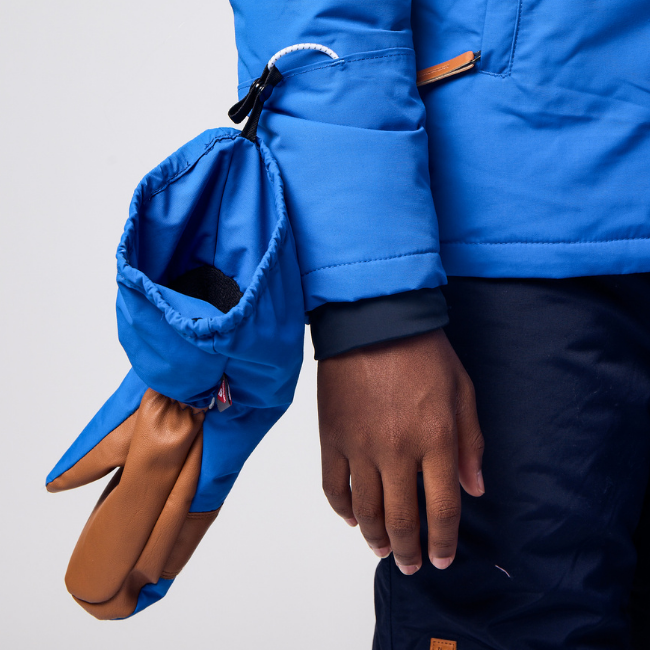
- Secure cuffs
- A hood for snow and wind protection
Waterproofing helps keep kids dry, which helps them stay warmer and more comfortable. Once moisture gets inside a coat, even a warm coat can start to feel cold.
Why fully taped seams matter
Even if the fabric itself is waterproof, water can sneak in through the seams. Seams are where pieces of fabric are stitched together, and those tiny stitch holes can become entry points for moisture.
Fully taped seams help seal those areas so water is less likely to get through.
This is especially important for kids because they spend so much time directly in the snow. They sit, crawl, kneel, sled, ski, and tumble through winter in ways adults rarely do. A coat with fully taped seams provides a stronger layer of protection for real play.
When comparing kids winter coats, this is one of the technical details worth looking for.
Why waterproof winter coats are better for snow days
Snow may look dry when it falls, but it does not stay that way for long. Body heat, movement, car rides, indoor-outdoor transitions, and changing temperatures can all turn snow into moisture.
A waterproof kids winter coat is helpful for:
- School recess
- Sledding
- Skiing
- Snowy walks
- Wet playgrounds
- Slushy sidewalks
- Long winter outings
- Family ski trips
For kids who live somewhere with true winter weather, waterproofing is not just a nice feature. It can be the difference between staying outside comfortably and needing to come in early.
When water-resistant may be enough
Water-resistant outerwear can still have a place in a child's closet. A lightweight puffer jacket, quilted layer, or everyday jacket can be great for chilly fall days, mild winter weather, and dry conditions.
Water-resistant may be enough for:
- Cool school mornings
- Fall and spring layering
- Dry winter days
- Quick errands
- Light snow flurries
But for snow play, ski days, or wet winter conditions, waterproof protection is the better choice.
The easiest way to think about it is this: water-resistant is for light exposure. Waterproof is for real winter weather.
What parents should look for in a waterproof kids winter coat
When shopping for a kids winter coat, look beyond the color and style. A coat can look winter-ready without having the construction needed for snow, slush, and active play.
Look for:
Waterproof protection
The coat should be designed to help keep moisture out during snow and wet winter conditions.
Fully taped seams
This helps seal the stitch lines where water can sneak through.
Warm insulation
Waterproofing keeps moisture out, but insulation keeps warmth in. The best winter coats for kids need both.
Secure cuffs
Cuffs help block cold air and snow from entering at the sleeves.
A protective hood
A good hood helps shield against wind, snow, and cold.
Durable fabric
Kids are hard on outerwear. A winter coat should be built for playgrounds, ski days, and repeated wear.
Easy movement
A coat should keep kids warm without making it hard to run, climb, ski, or play.
Waterproofing and warmth work together
A warm coat that gets wet will not feel warm for long. Waterproofing and insulation work together to keep kids comfortable in winter weather.
Insulation helps trap warmth. Waterproof construction helps protect that warmth from moisture. When both are working together, kids are better prepared for snow days, ski days, and long stretches outside.
That is especially important for children because they may not always notice or communicate that they are getting cold until they are already uncomfortable.
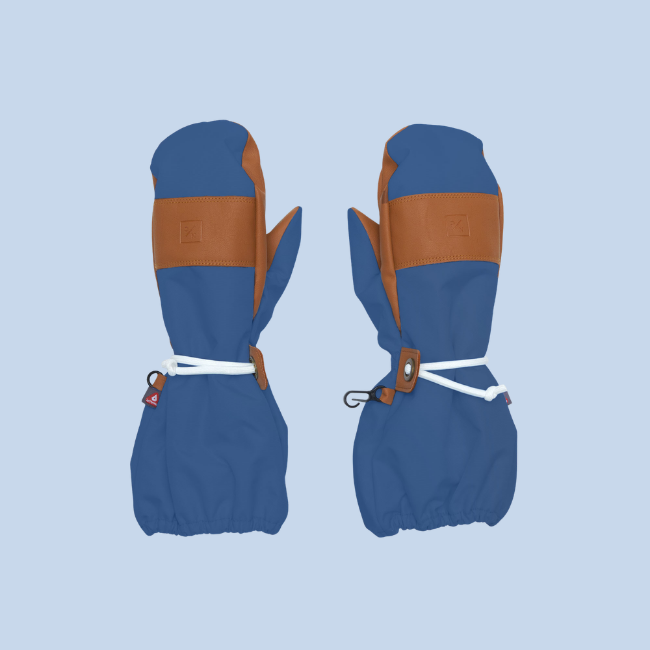
For complete winter protection, pair a waterproof winter coat with waterproof snow pants or bibs and a warm fleece layer underneath.
Final thoughts
Waterproof and water-resistant kids winter coats are not the same. Water-resistant outerwear can work for light moisture and mild conditions, but waterproof winter coats are better suited for snow, slush, skiing, and active winter play.
For real winter weather, parents should look for a kids winter coat with waterproof protection, fully taped seams, warm insulation, secure cuffs, and a comfortable fit.
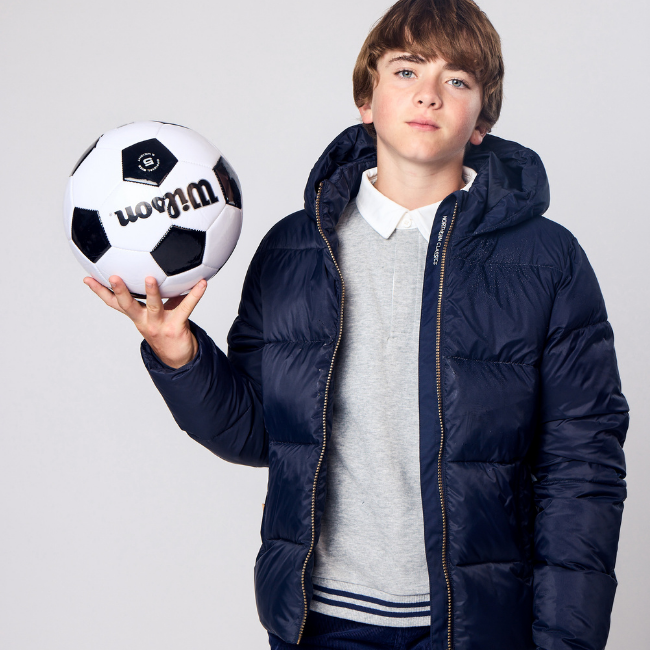
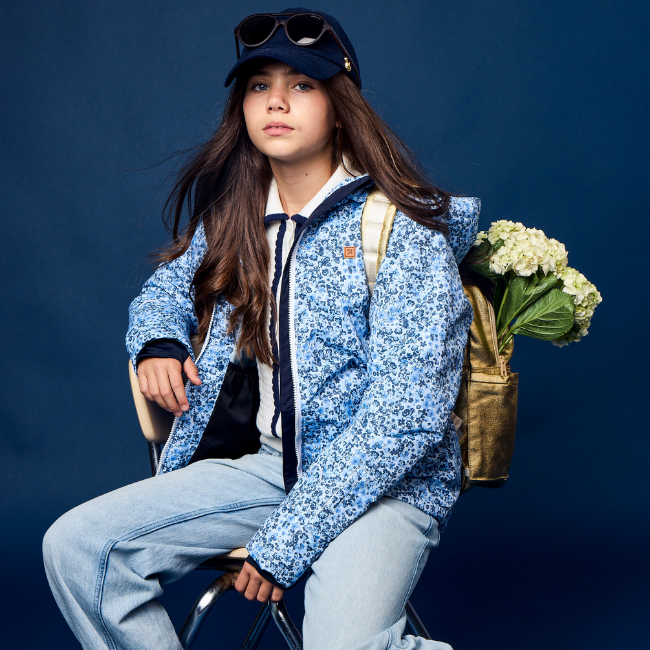
Northern Classics kids winter coats are designed for snowy days, school mornings, ski trips, and everyday winter wear, with technical details made to help kids stay warm, dry, and ready to play outside longer.
Shop Northern Classics kids winter coats built for waterproof protection, warmth, and winter play.
Leave a Comment
This site is protected by hCaptcha and the hCaptcha Privacy Policy and Terms of Service apply.