

What Should Babies and Toddlers Wear in the Snow?
Dressing babies and toddlers for snow can feel confusing. Too many layers and they can overheat. Too few and they get cold fast. Add wet snow, missing mittens, boots that will not stay on, and a toddler who suddenly refuses sleeves, and winter dressing can become its own Olympic sport.
The goal is simple: keep little kids warm, dry, and comfortable without over-bundling them.
What babies and toddlers should wear in the snow depends on their age, activity level, and how long they will be outside. A baby riding in a stroller needs different layers than a toddler climbing through snow at the park.
Here is a practical guide for what babies and toddlers should wear in snowy weather.
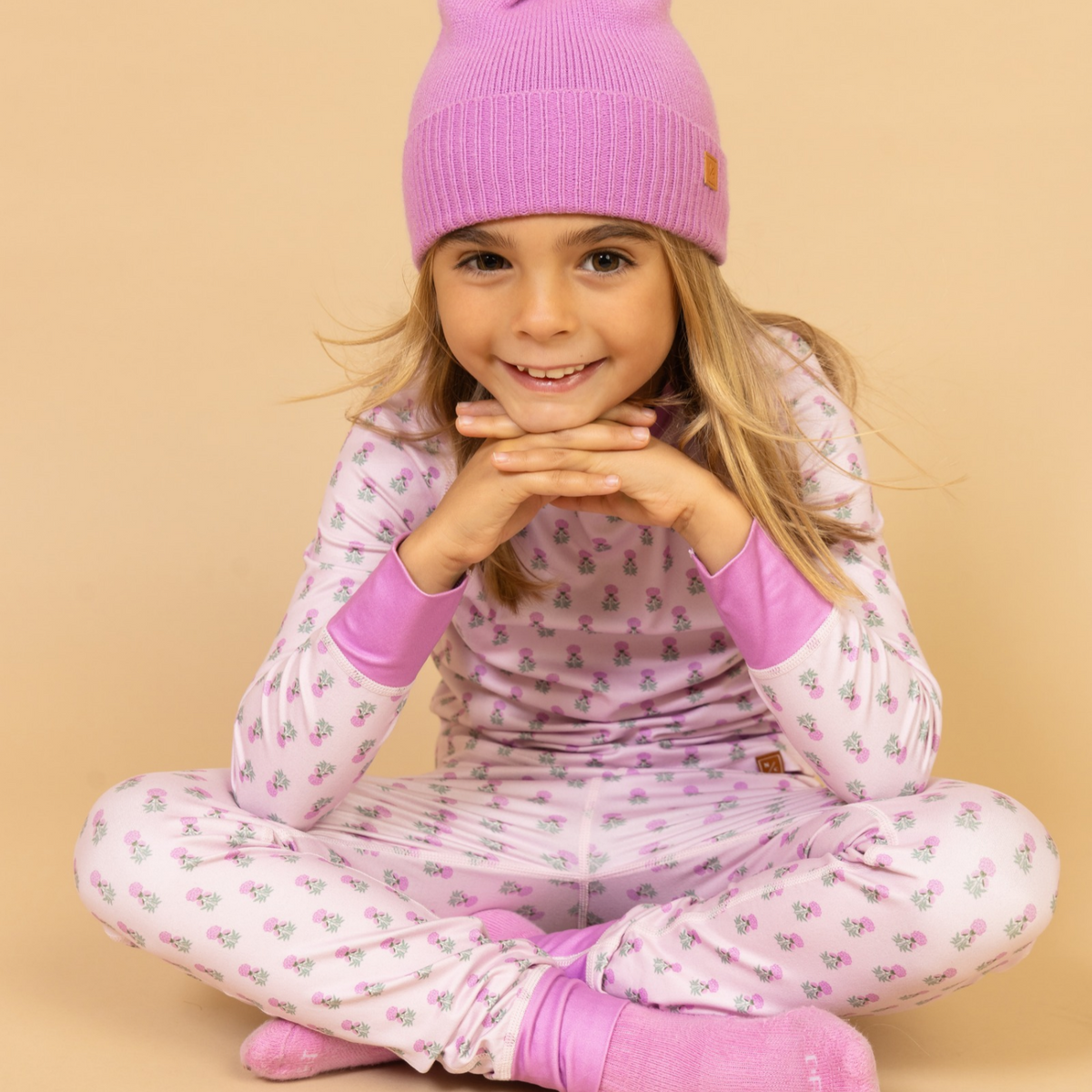
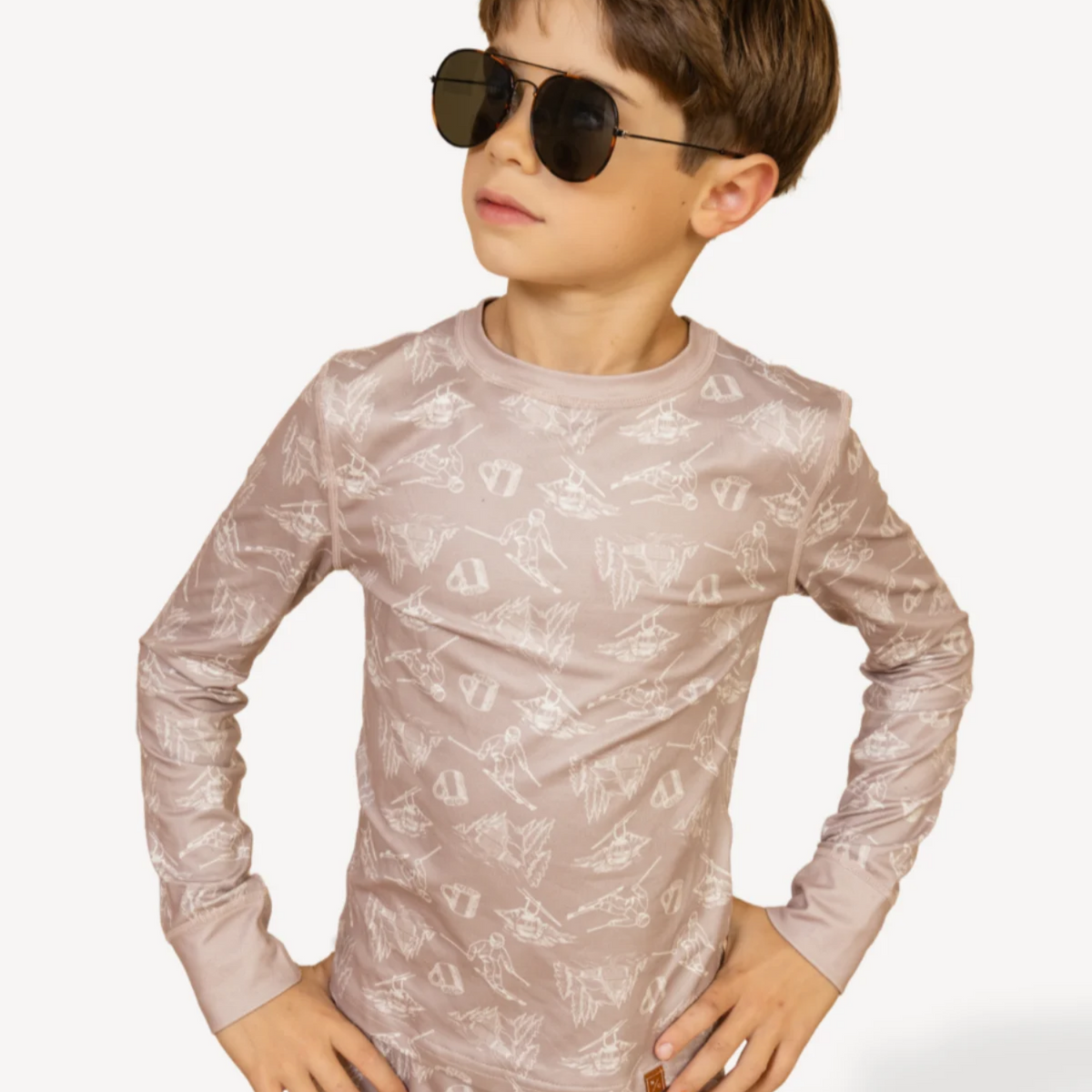
Start with a warm base layer
The first layer should sit close to the skin and help keep warmth in. For babies and toddlers, soft, comfortable layers are key because anything scratchy, stiff, or too tight can make getting dressed harder than it needs to be.
Good base layer options include:
- Thermal tops and bottoms
- Soft long-sleeve bodysuits
- Fitted leggings
- Warm socks
- Lightweight fleece layers for extra warmth
Try to avoid bulky cotton as the main layer for long snow play. Cotton can hold moisture, which may make kids feel colder if they sweat or get damp.
For toddlers who are actively playing, layers should be warm but breathable. They will generate more body heat than a baby sitting still in a stroller.
Add an insulated outer layer
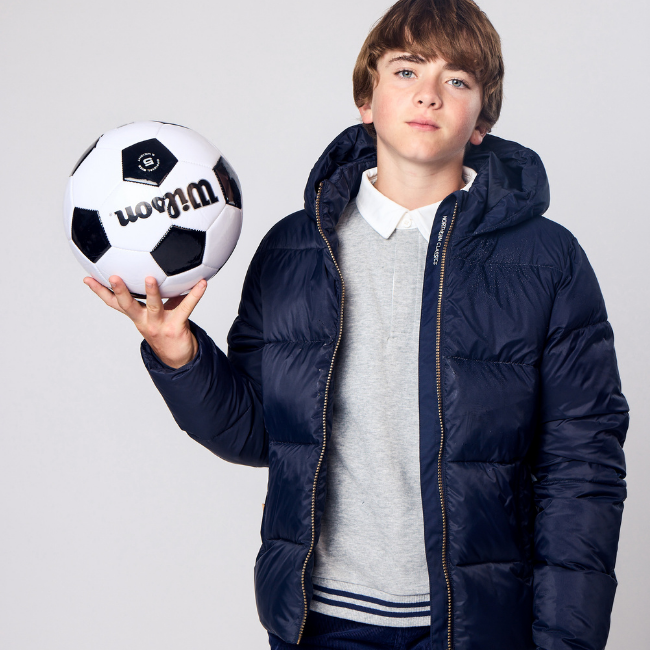
For snow, babies and toddlers need an outer layer that provides warmth and protection from moisture.
Depending on age and activity, this may be:
- A baby snowsuit or bunting
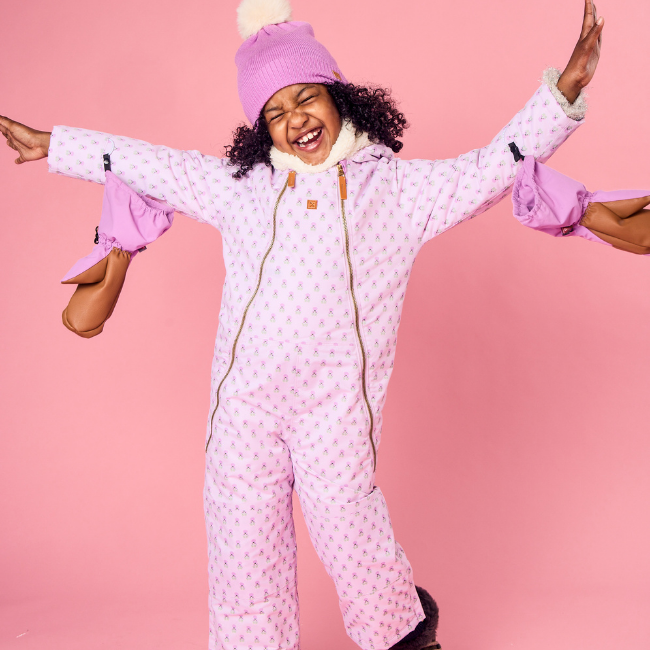
- A toddler snowsuit
- A winter coat with snow bibs
- A winter coat with snow pants
For babies, a snowsuit or bunting can be helpful because it provides full-body coverage and keeps warmth more contained. For toddlers, either a snowsuit or a winter coat and snow bibs can work well.
A winter coat and bibs may be more versatile for toddlers who go between school, errands, car rides, and outdoor play. A snowsuit can be helpful for deep snow, long stroller walks, or younger toddlers who need extra coverage.
Choose waterproof protection for real snow play
Snow is wet. Even when it looks soft and powdery, it can melt quickly against fabric. That is why waterproof outerwear matters for toddlers who are sitting, crawling, kneeling, or rolling in the snow.
Look for outerwear with:
- Waterproof fabric
- Warm insulation
- Fully taped seams
- Secure cuffs
- A hood
- Snow-ready coverage
A cozy coat is not always enough if it cannot handle moisture. For active toddlers, waterproof protection helps them stay outside longer without getting cold and damp.
Use snow bibs or a snowsuit for better coverage
Toddlers spend a lot of time close to the ground. They sit in snow, fall in snow, scoop snow, and somehow get snow inside every possible opening.
Snow bibs and snowsuits help solve that.
Snow bibs provide extra coverage over the chest and back, helping block snow from sneaking between a winter coat and pants. Adjustable straps also help keep the fit secure while toddlers move.
A snowsuit offers even more all-over coverage, which can be helpful for younger toddlers or long outdoor outings.
For most snow play, toddlers need more than regular pants and a winter coat. Snow bibs or a snowsuit will keep them warmer, drier, and more comfortable.
Keep hands warm with mittens
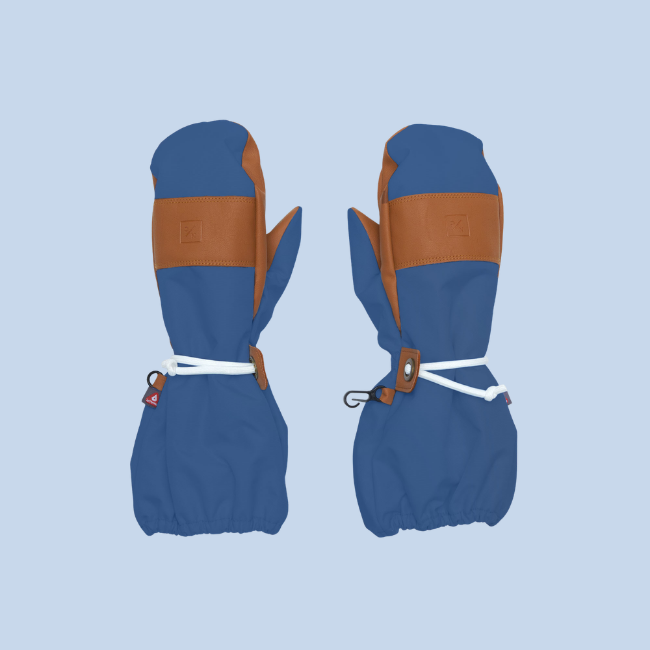
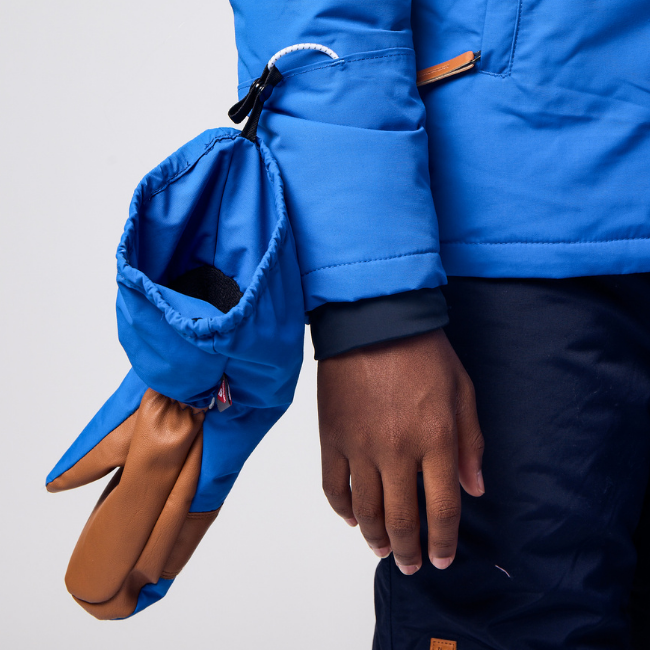
Mittens are usually better than gloves for babies and toddlers. Tiny fingers stay warmer when they are grouped together, and mittens are often easier to put on than gloves.
Look for mittens that are:
- Warm
- Waterproof
- Easy to secure at the wrist
- Long enough to cover the cuff area
- Attached or attachable when possible
Lost mittens are one of winter's most predictable little disasters. Mitten loops or attachment systems can help keep mittens connected to the coat, which is especially useful for toddlers at school, daycare, or on family trips.
Add a hat and neck warmer
Babies and toddlers need warm accessories, especially when wind picks up or temperatures drop.
A winter hat should cover the ears and stay on securely. For toddlers, choose something comfortable enough that they will not immediately pull it off.
A neck warmer can be easier and safer than a long scarf because it stays close to the body and does not dangle. It helps close the gap between coat and chin, which can make a big difference on windy days.
Winter accessories to include:
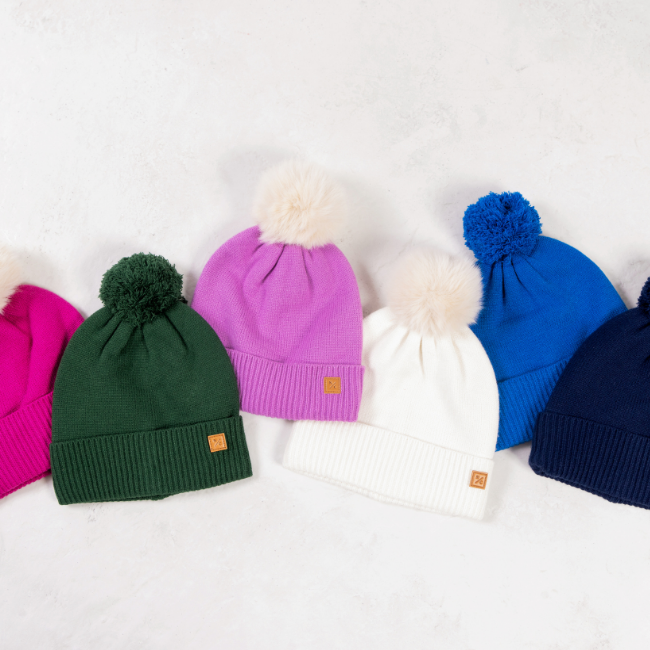
- Warm hat
- Waterproof mittens
- Neck warmer
- Warm socks
- Winter boots
Accessories may seem small, but they often determine whether kids are comfortable outside.
Do not forget warm, waterproof boots
Cold feet can end snow play quickly. Babies who are not walking may need soft insulated booties, while toddlers need sturdy winter boots that can handle snow and slush.
Look for toddler winter boots that are:
- Warm
- Waterproof
- Easy to put on
- Secure around the ankle
- Comfortable for walking
Make sure snow pants or bibs fit properly over boots so snow does not fall inside.
Dress differently for stroller rides vs. active play
A baby sitting in a stroller will usually need more warmth than a toddler running through snow. Still children get colder faster because they are not generating as much body heat.
For stroller walks, consider:
- Warm base layer
- Insulated snowsuit or bunting
- Hat
- Mittens
- Warm booties
- Blanket layered over the harness after buckling
For active toddler play, consider:
- Base layer
- Fleece layer if needed
- Winter coat
- Snow bibs or snow pants
- Waterproof mittens
- Hat
- Neck warmer
- Winter boots
Always check your child's temperature by feeling the back of their neck or torso. Hands and cheeks can feel cool in winter air, but the core should feel warm, not sweaty or chilled.
Be careful with car seats
Bulky winter coats and snowsuits should not be worn under a car seat harness because they can create extra space between the harness and the child. For car rides, buckle babies and toddlers in without bulky outerwear underneath the harness, then use a blanket or coat over the top after they are safely buckled.
For errands, this can mean dressing in thinner layers for the car and adding the winter coat or snowsuit once you arrive.
Final thoughts
Babies and toddlers should wear warm layers, waterproof outerwear, mittens, a hat, a neck warmer, and winter boots in the snow. For babies, a snowsuit or bunting often provides the easiest full-body warmth. For toddlers, a winter coat with snow bibs or a snowsuit can both work well depending on the activity.
The key is to keep them warm, dry, and comfortable without over-bundling.
For real snow play, choose outerwear that can handle moisture, movement, and long winter days outside.
Shop Northern Classics baby and toddler winter gear made for snowy days, cold-weather play, and everyday winter adventures.
Leave a Comment
This site is protected by hCaptcha and the hCaptcha Privacy Policy and Terms of Service apply.