
What Should Kids Wear in Winter? A Parent’s Guide to Dressing for Cold Weather
When temperatures drop, many parents find themselves asking the same question: what should kids wear in winter?
Keeping children warm during cold weather can feel more complicated than it should. Some days are snowy and freezing, while others are milder but still windy and damp. Kids are constantly moving, too. They run, jump, climb, sled, and play hard, which means their body temperature changes quickly. Too many layers can leave them sweaty and uncomfortable. Too few layers can leave them cold after only a few minutes outside.
The key is finding the right balance.
The good news is that dressing kids for winter is actually simple once you understand the basics. With the right clothing system, children can stay warm, comfortable, and ready for outdoor adventure all season long. Whether your child is heading to school, playing in the snow, or learning to ski, the right winter clothing helps them enjoy winter instead of fighting against it.
In this guide, we’ll cover what kids should wear in winter, how to layer properly, what to wear for school days and snow days, and why the right winter coat is one of the most important pieces of all.
Why Proper Winter Clothing Matters for Kids
Children often spend more time outside in winter than adults do. They walk to school, wait for the bus, play during recess, sled down hills, build snow forts, and spend long stretches of time exploring outside.
Because kids are so active, their winter clothing needs to do several things at once. It needs to:
-
keep them warm in cold temperatures
-
protect them from snow and wind
-
allow them to move comfortably
-
hold up through active outdoor play
When kids are dressed appropriately, winter becomes a season full of adventure. But when clothing fails - when coats get wet, layers are not warm enough, or hands and feet get cold - kids become uncomfortable fast.
That is why understanding what kids should wear in winter matters so much. The right clothing can turn a cold day into a great one.
The Best Way to Dress Kids for Winter: Use a Three-Layer System
The easiest and most effective way to dress children for winter is to use a three-layer system. This approach helps regulate body temperature, manage moisture, and protect kids from the elements without making them overly bulky.
The three layers are:
-
Base layer
-
Mid layer
-
Outer layer
Each layer plays a different role, and together they help kids stay warm, dry, and comfortable.
Layer 1: The Base Layer
The base layer sits directly against the skin. Its job is to help keep kids dry by moving moisture away from the body.
When children run and play, they sweat - even in freezing weather. If that moisture stays trapped against the skin, they can become cold quickly once they stop moving. A good base layer helps prevent that.
Best Base Layers for Kids
Examples of good base layers include:
-
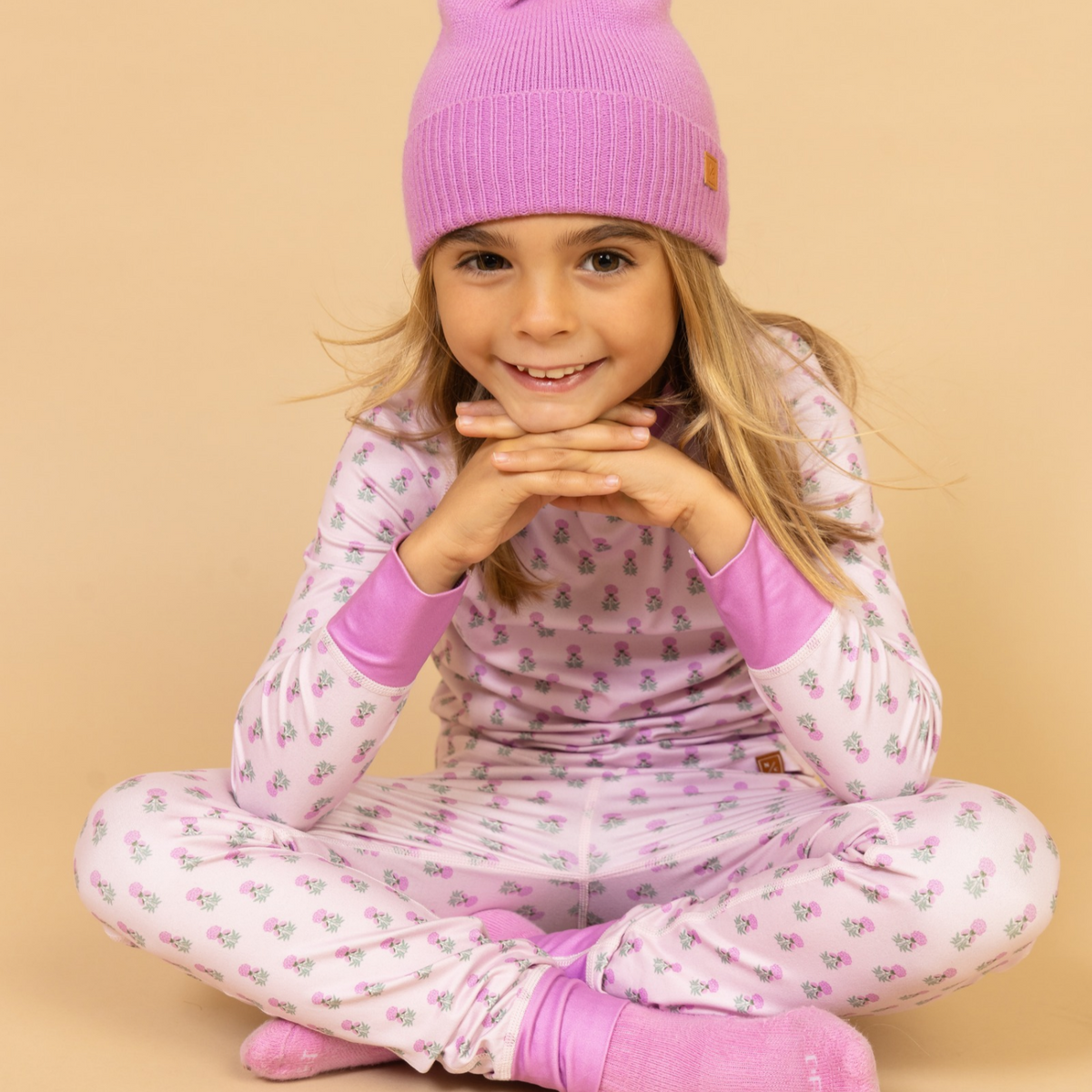
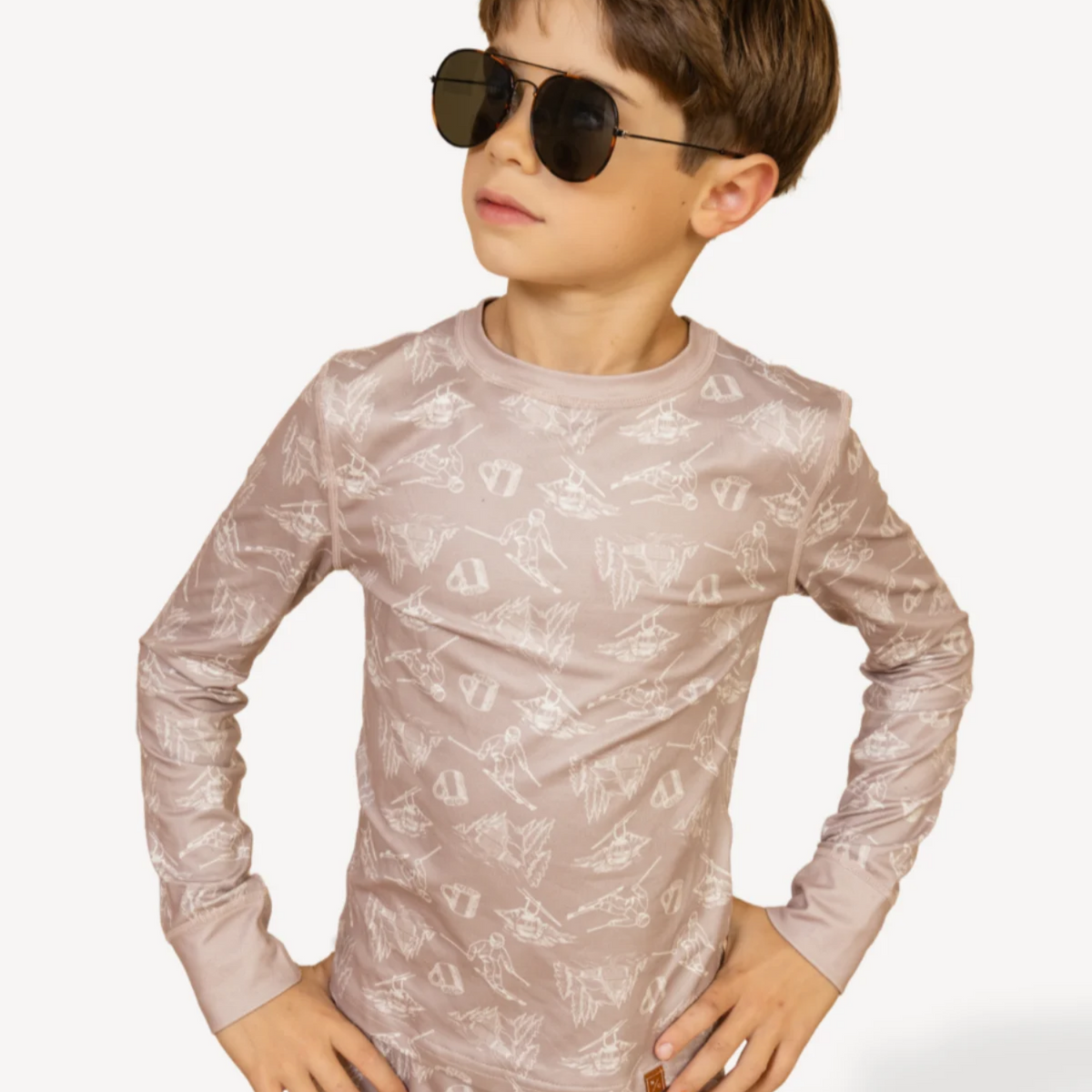
thermal long-sleeve shirts
-
long underwear or leggings
-
moisture-wicking performance fabrics
-
merino wool base layers
These materials help regulate temperature while keeping kids drier and more comfortable.
Layer 2: The Mid Layer
The mid layer provides insulation. It traps body heat and creates warmth between the base layer and the outer layer.
The right mid layer depends on the temperature and what your child will be doing outside. Colder days may call for more insulation, while milder winter days may only need a light extra layer.
Common Mid Layers for Kids
Popular mid layers include:
-
fleece jackets
-
wool sweaters
-
hoodies or sweatshirts
-
lightweight insulated layers
The goal is to add warmth without making movement difficult. Kids still need to run, bend, climb, and play comfortably, so the mid layer should feel warm without feeling restrictive.
Layer 3: The Outer Layer
The outer layer is the piece that protects kids from winter weather. It shields them from:
-
snow
-
wind
-
moisture
-
cold air
A high-quality winter coat keeps the rest of the layering system working properly. Without a strong outer layer, snow and moisture can soak through clothing quickly, making it much harder for kids to stay warm and comfortable.
This is why the outer layer is so important. It is the piece doing the hardest job.
What Kids Should Wear to School in Winter
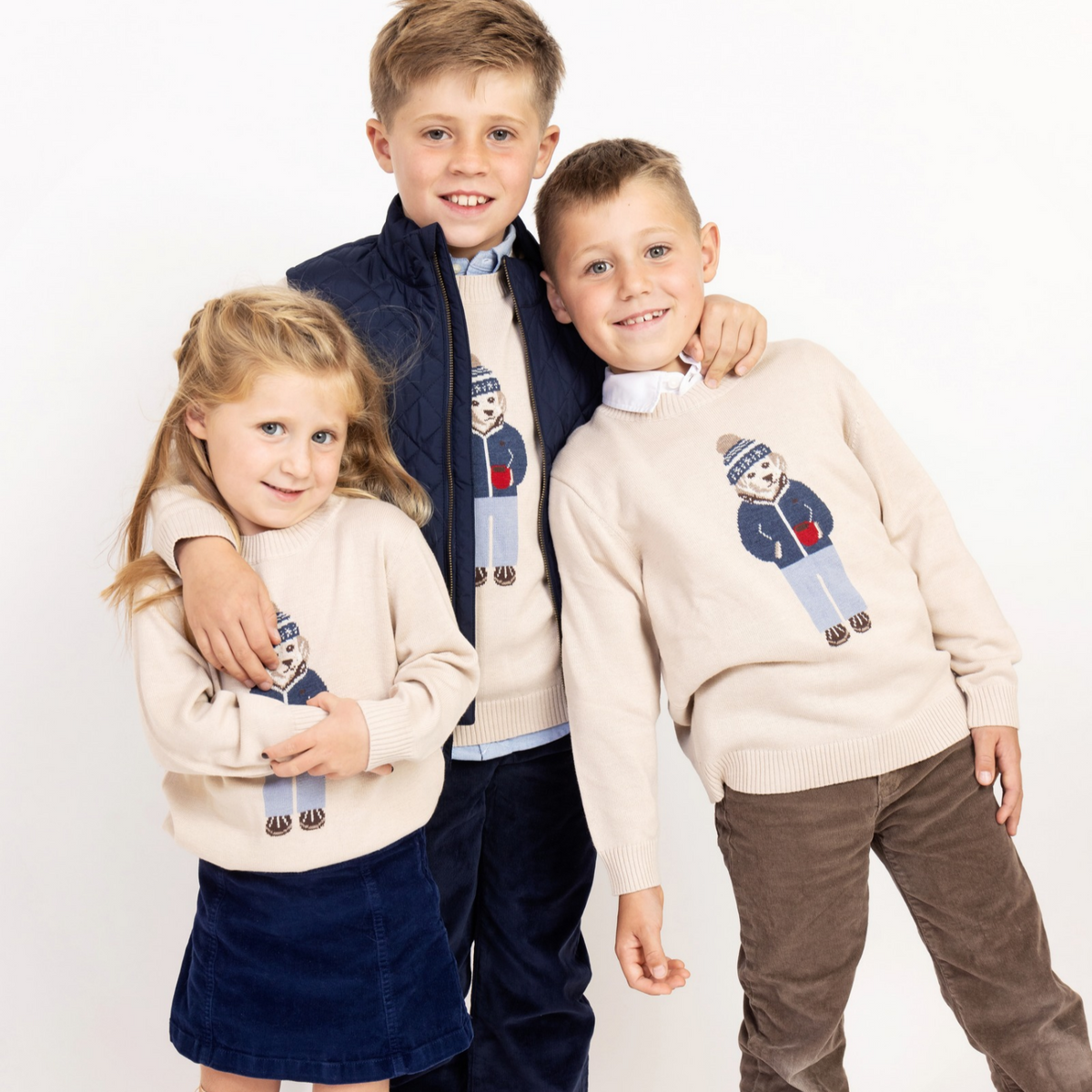
School days require practical winter clothing that keeps kids comfortable during several parts of the day, including walking to school, waiting for the bus, outdoor recess, and the walk home.
A simple winter outfit for school may include:
-
a thermal base layer
-
a sweatshirt or fleece
-
gloves or mittens
-
a hat that covers the ears
-
waterproof boots
This combination helps kids stay warm while still allowing them to move comfortably during recess and everyday school routines.
Parents often do best with layers that are easy to add or remove, since kids may move between cold outdoor air and heated indoor classrooms throughout the day.
What Kids Should Wear for Snow Play
Snow play usually requires a little more protection than everyday winter wear. When kids are building snowmen, sledding, digging tunnels, or rolling around in the snow, they spend much more time in direct contact with moisture.
That means clothing should prioritize warmth, durability, and waterproof protection.
A good snow-play outfit may include:
-
a moisture-wicking base layer
-
a warm insulating mid layer
-
waterproof snow pants or bibs
-
insulated gloves or mittens
-
a warm winter hat
-
waterproof boots
This setup helps keep kids dry and comfortable, even when they spend hours outside in the snow.
What Kids Should Wear Skiing
Skiing requires a similar layering system, but often with even more emphasis on protection from cold temperatures and wind.
A typical kids ski outfit may include:
-
thermal base layers
-
a warm fleece or insulating mid layer
-
a winter coat built for active winter use
-
ski pants or bibs
-
a helmet-compatible hat or helmet liner
-
insulated gloves or mittens
-
ski socks
Because kids often sit on chair lifts and ski in colder, windier conditions, warmth and waterproof protection become especially important. The right layers help keep them comfortable through long ski days so they can focus on learning and having fun.
The Most Important Piece: A High-Quality Winter Coat
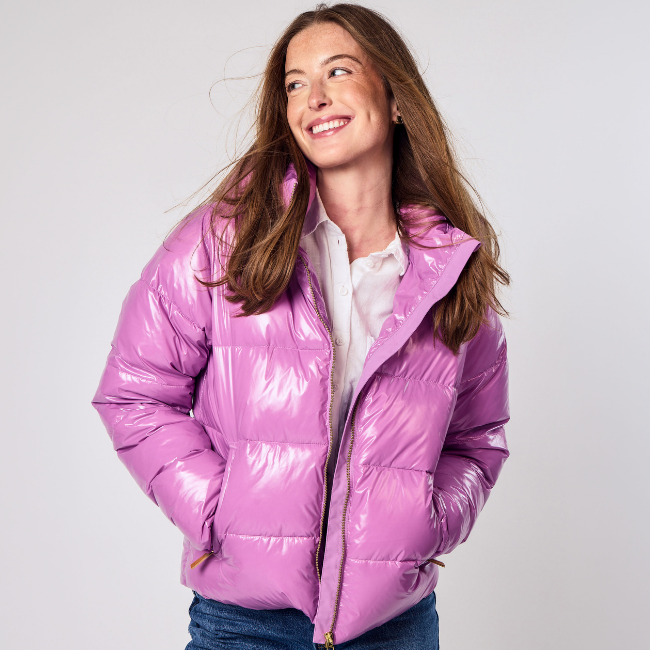
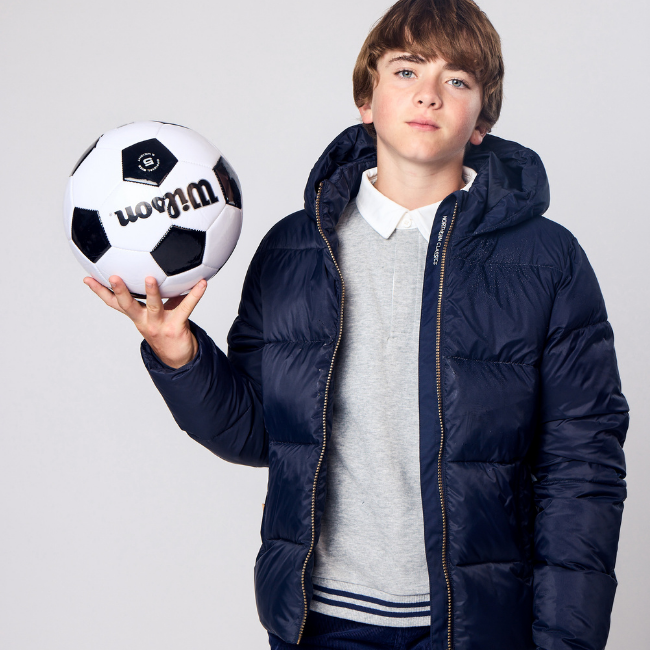
While layering matters, the winter coat is the piece that protects kids from the harshest elements. It is what stands between them and the snow, wind, and cold.
A great kids winter coat should provide:
-
warm insulation
-
waterproof protection
-
durable materials
-
comfortable mobility
A good winter coat should also be built for how kids actually move. It should keep them warm without too much bulk, protect them from wet conditions, and allow them to run, climb, sled, and play comfortably.
Thoughtful features can also make a big difference in everyday winter use.
How Northern Classics Winter Coats Support Winter Adventures
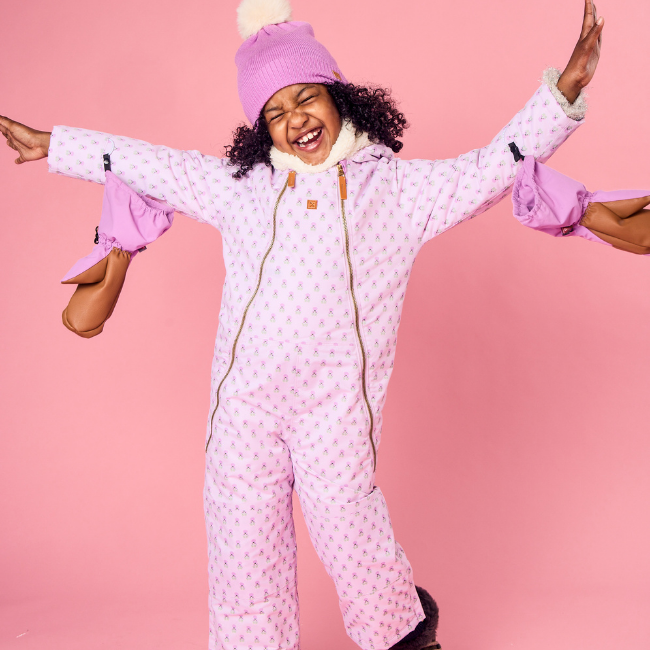
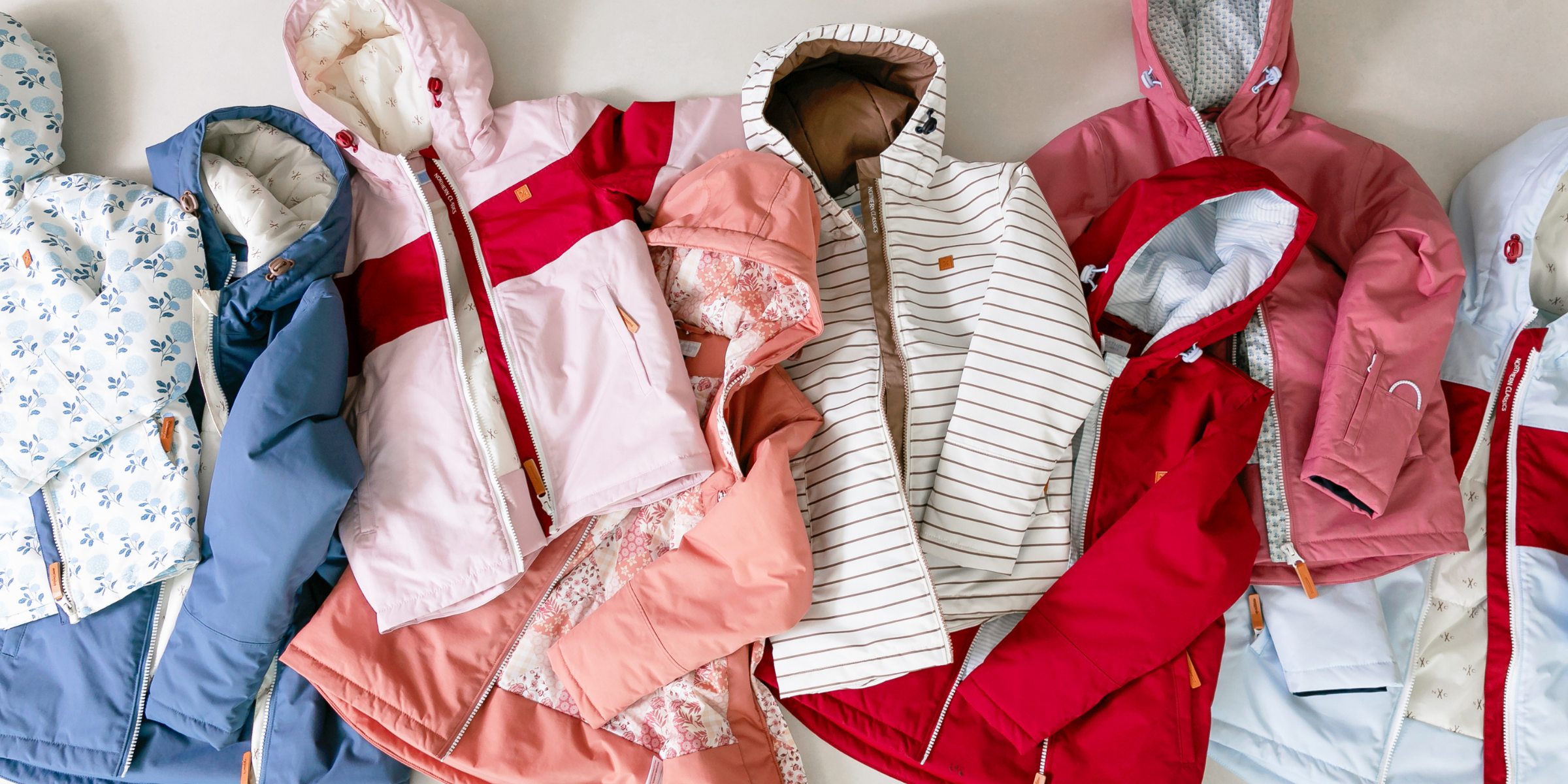
At Northern Classics, we design kids outerwear specifically for real winter conditions. Our coats are built to support active kids who spend hours outside, whether they are heading to school, sledding with friends, or skiing with family.
Each coat includes thoughtful features like:
-
warm insulation that stays lightweight
-
waterproof materials to help keep kids dry in the snow
-
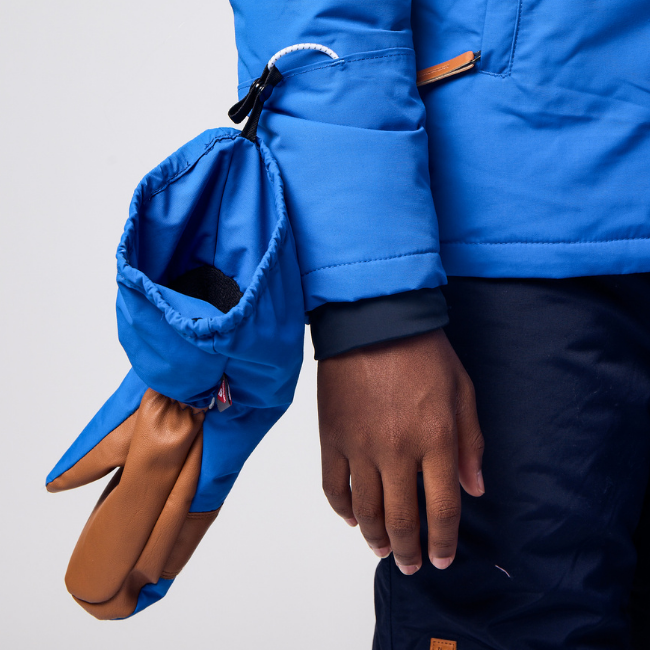
mitten loops to keep mittens attached
-
a ski pass pocket on the sleeve
-
reflective trim for low-light visibility
These details help ensure kids stay comfortable during school days, snow days, and ski days alike. Because the right outerwear makes winter easier for both kids and parents.
Essential Winter Accessories for Kids
Beyond layers and a winter coat, a few accessories help complete a child’s winter outfit.
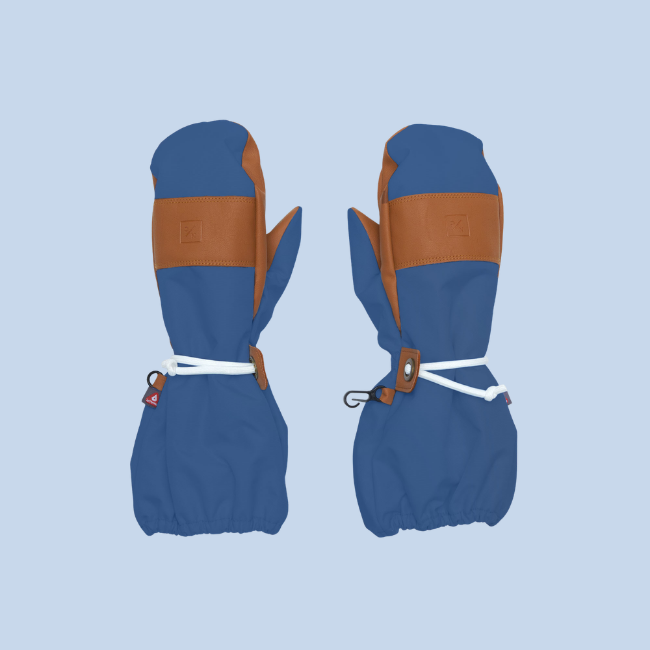
Gloves or Mittens
Hands get cold quickly, so insulated gloves or mittens are essential. Mittens are often warmer because fingers share heat more easily.
Hats
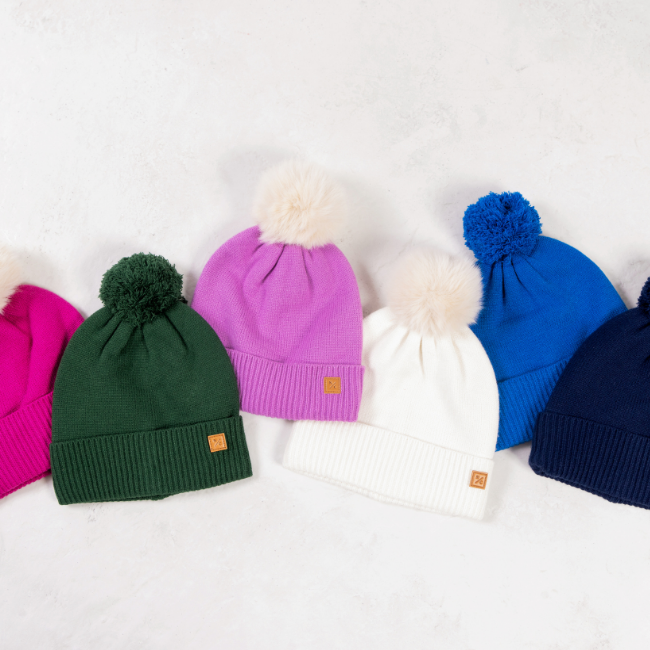
A warm hat that covers the ears helps retain body heat and protects kids from cold wind.
Boots
Waterproof winter boots help keep feet dry when walking through snow or slush.
Warm Socks
For skiing or snow play, wool or insulated socks can add extra warmth and comfort.
These accessories may seem small, but they play a big role in helping kids stay comfortable outside.
Signs Your Child May Not Be Dressed Warm Enough
Sometimes it can be hard to tell whether kids are truly comfortable in cold weather, especially if they are distracted by play.
Signs that a child may need warmer clothing include:
-
complaining about cold hands or feet
-
red or pale skin
-
shivering
-
reluctance to keep playing outside
If these signs show up, it may be time to add layers, upgrade outerwear, or improve gloves, mittens, or boots.
Helping Kids Enjoy Winter More
When kids are dressed properly, winter becomes a season full of adventure instead of discomfort.
Instead of rushing indoors, children can enjoy:
-
snowball fights
-
sledding
-
skiing
-
building snow forts
-
exploring the outdoors
The right clothing allows kids to focus on having fun instead of worrying about being cold. And when families know their winter gear is dependable, it becomes much easier to say yes to outdoor play.
Final Thoughts
So, what should kids wear in winter?
The answer is simple: a reliable layering system.
Start with a moisture-wicking base layer. Add an insulating mid layer. Finish with a durable, waterproof winter coat. Then add warm accessories like hats, mittens, and boots, and kids will be ready for winter weather.
At Northern Classics, we design outerwear that helps make winter easier - winter coats built for school days, snow days, and everyday adventure. Because childhood should not pause when the temperature drops.


Leave a Comment
This site is protected by hCaptcha and the hCaptcha Privacy Policy and Terms of Service apply.