


Why Kids Need Outdoor Play, Even in the Middle of Winter
When temperatures drop and snow starts to fall, many parents naturally wonder how much time their kids should really be spending outside. Winter can feel less inviting than spring or summer. The air is colder, getting dressed takes longer, and it is easy to assume kids are better off staying warm indoors.
But the truth is that children still need outdoor play in winter, and in many ways, they benefit from it just as much as they do during any other season.
Winter outdoor play gives kids a chance to move their bodies, use their imagination, build confidence, and experience the natural world in a completely different way. It turns ordinary afternoons into sledding adventures, snowy walks, backyard forts, and the kind of seasonal memories kids carry with them for years.
Cold weather may change how kids play, but it should not stop them from playing outside.
With the right winter clothing, a little encouragement, and realistic expectations, winter can become one of the best seasons for outdoor adventure. Here is why outdoor play still matters in the coldest months of the year, and why helping kids stay outside in winter is one of the best things parents can do.
Winter Outdoor Play Builds Physical Strength
One of the clearest benefits of outdoor play in winter is how much movement it naturally encourages.
Snow changes the way kids move. Running through snow is harder than running across dry grass. Climbing snowbanks takes more effort than climbing a regular hill. Pulling a sled, trudging through fresh powder, balancing on slippery ground, and building snow forts all require strength, coordination, and body awareness.
In other words, winter play is active in a way that feels fun rather than forced.
Kids do not think of it as exercise when they are racing down a sledding hill, making tracks through deep snow, or trying to climb the tallest pile left by the plow. But those activities help develop balance, endurance, coordination, and large motor skills all the same.
Winter outdoor play also challenges the body in new ways. Uneven surfaces, packed snow, icy patches, and changing terrain all require kids to adjust, stabilize, and move with more awareness. That kind of movement helps build strength and confidence over time.
For parents looking for ways to keep children active during colder months, simply letting kids play outside can be one of the easiest and most effective solutions.
Fresh Air and Outdoor Time Can Improve Mood
Many parents notice the same thing after their kids have been outside: they come back in happier, calmer, and more settled.
Winter can bring long days indoors, especially when schedules are full, daylight is shorter, and screens become the easiest default. But too much time inside often leaves kids feeling restless. They need a place to release energy, reset emotionally, and get a break from the structure of indoor life.
Outdoor time helps provide that reset.
Fresh air, movement, and open space can all help children feel better. Even a short outdoor break can shift the tone of the day. A quick walk, some time in the snow, or an hour outside after school can help kids burn off energy and come back in more relaxed and focused.
This is especially important in winter, when families may be tempted to stay inside more often. The season itself can make routines feel heavier. Getting outdoors helps break that pattern and gives kids a chance to reconnect with something simple and energizing.
Winter outdoor play does not have to be long or elaborate to be valuable. Sometimes even twenty minutes outside can make a noticeable difference.
Nature Encourages Creativity in Every Season
One of the best things about outdoor play is that it gives kids room to imagine. Winter does not change that. If anything, it opens up entirely new possibilities.
Snow transforms the outdoors into a creative play space. A backyard becomes a building site for forts and tunnels. A snowbank becomes a mountain to climb. A patch of untouched snow becomes a blank canvas for tracks, games, and made-up worlds.
Kids do not need much to create outside in winter. Snow becomes castles, kitchens, obstacle courses, animals, roads, or hiding places. Sticks become tools. Ice becomes treasure. Every snowfall changes the landscape and invites new kinds of play.
That kind of open-ended play matters. It encourages children to invent, experiment, solve problems, and think independently. There is no script and no right answer. The environment itself becomes part of the game.
Winter also slows things down in a way that helps kids notice more. They pay attention to footprints, icicles, the shape of bare trees, the sound of crunchy snow, and the way the world looks after a storm. Outdoor play in winter helps children observe, wonder, and interact with nature differently than they do during warmer months.
Outdoor Play Builds Resilience and Confidence
Winter is not always comfortable, and that is part of what makes it valuable.
When kids spend time outdoors in different weather conditions, they learn that they can handle more than they might think. They experience cold air, wind, snow, and changing conditions, and they begin to adapt. They learn that a little discomfort is manageable, that weather does not have to be perfect to be enjoyable, and that fun can still happen when things feel a bit challenging.
That builds resilience.
Winter outdoor play teaches kids to keep going, adjust, and try again. Maybe the hill is steeper than expected. Maybe the snow is deep and hard to walk through. Maybe it takes practice to stay balanced on icy ground. These small challenges help children build confidence in their bodies and in themselves.
They also begin to develop a healthier relationship with the outdoors. Instead of seeing cold weather as something that automatically stops play, kids learn that it is simply another environment to experience. With the right clothing and support, they discover that winter can be exciting, beautiful, and fun.
Over time, this kind of year-round outdoor play often leads to something even bigger: a lasting comfort with nature and a lifelong love of being outside.
Winter Outdoor Play Helps Kids Enjoy the Season Instead of Avoid It
When kids spend the entire winter rushing from house to car to school and back again, the season can start to feel like something to get through rather than something to enjoy.
Outdoor play changes that.
It gives winter a purpose beyond cold temperatures and extra layers. It turns the season into sledding days, neighborhood walks, snow forts, snowball fights, and fresh-air afternoons. It helps kids build memories tied to joy and adventure instead of just inconvenience.
This matters because childhood is shaped by seasons. The goal is not only to get through winter comfortably, but to let kids experience what makes it special.
There is something meaningful about teaching children that each season has something to offer. Spring has puddles and new growth. Summer has long evenings and bare feet. Fall has leaves and crisp air. Winter has snow, cold cheeks, quiet mornings, and outdoor play that feels completely different from the rest of the year.
Kids who play outside in winter often learn to appreciate the season instead of resisting it.
The Biggest Barrier to Winter Outdoor Play Is Usually Clothing
In many families, the biggest obstacle to outdoor play in winter is not motivation. It is gear.
If kids are cold, wet, or uncomfortable, outdoor time ends quickly. Parents know this. Children know this. One pair of damp mittens or one coat that does not keep warmth in can change the entire experience.
That is why winter clothing matters so much.
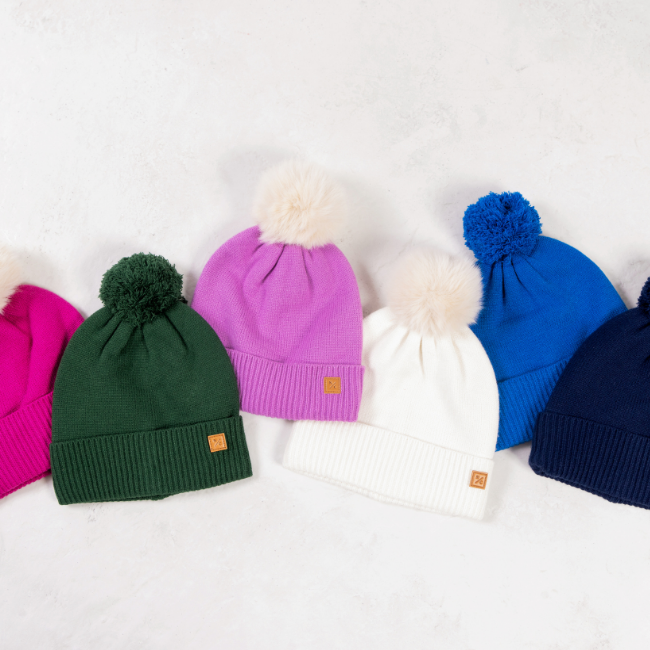
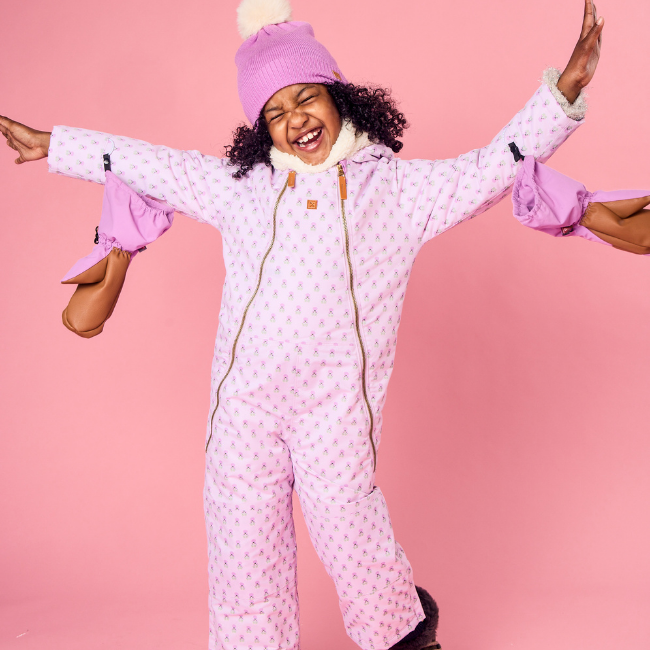
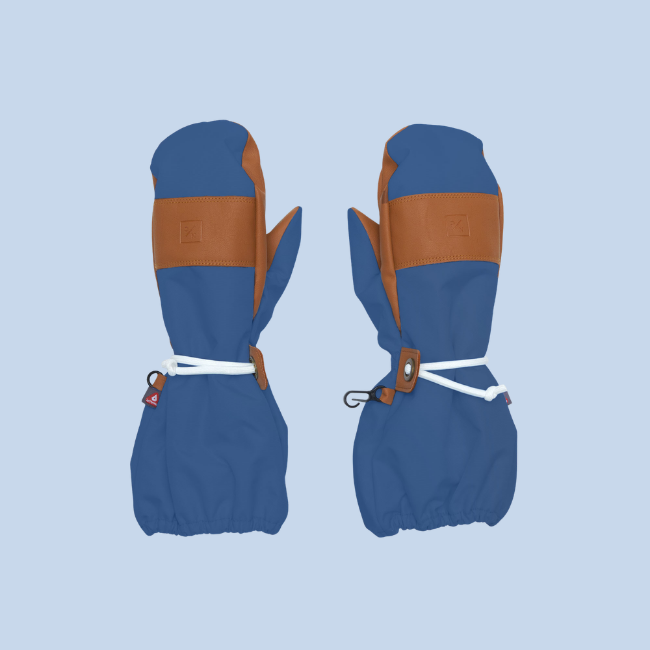
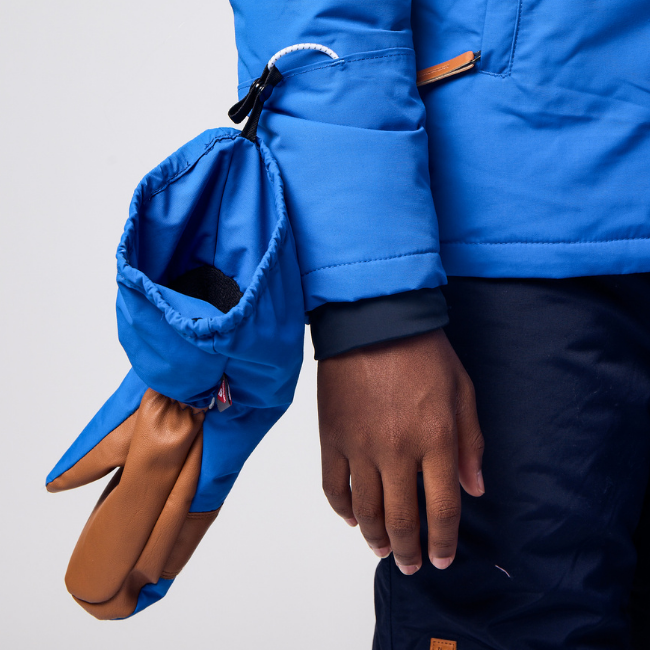
The right winter gear helps remove the barriers that keep kids inside. A warm, waterproof winter coat, snow pants or bibs, mittens, boots, and layers all work together to help kids stay comfortable. When kids are warm and dry, they can focus on playing instead of on how cold they feel.
For many families, having dependable outerwear changes the entire rhythm of winter. It becomes easier to say yes to going outside after school, easier to enjoy a snow day, and easier to spend longer stretches outdoors without worrying that everyone will end up miserable ten minutes in.
Reliable winter gear does not just make kids more comfortable. It makes outdoor play more realistic.
Why the Right Winter Coat Matters
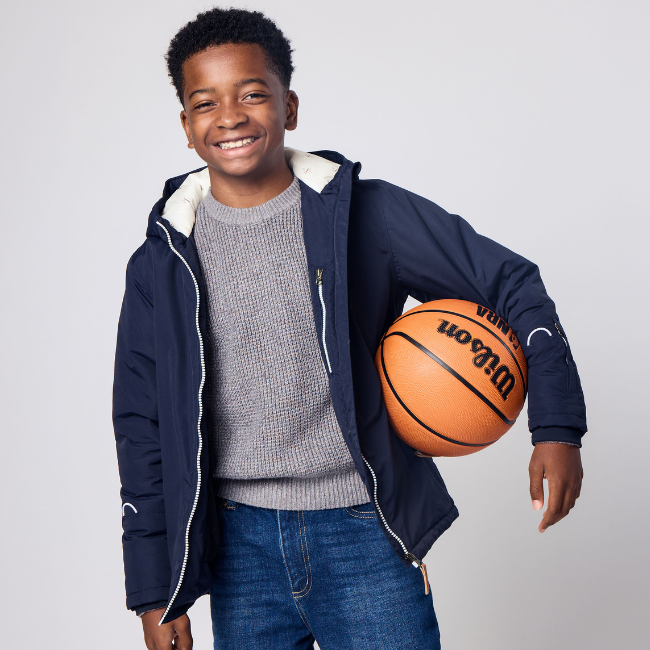
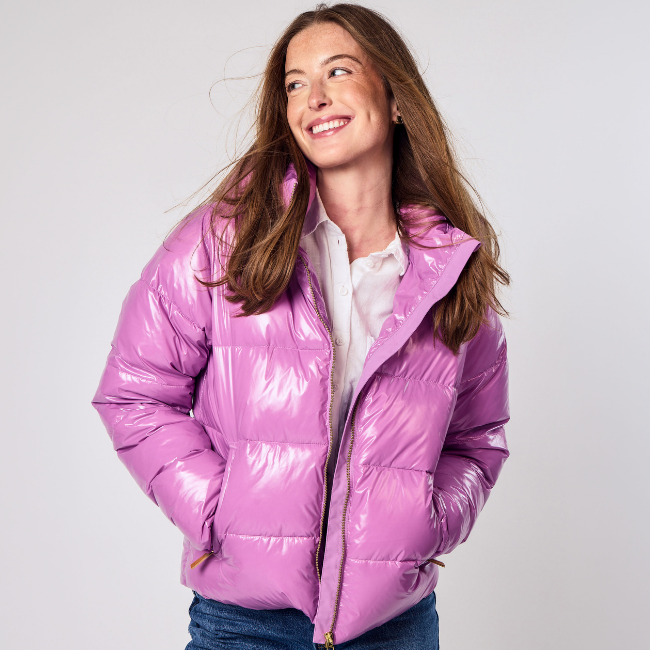
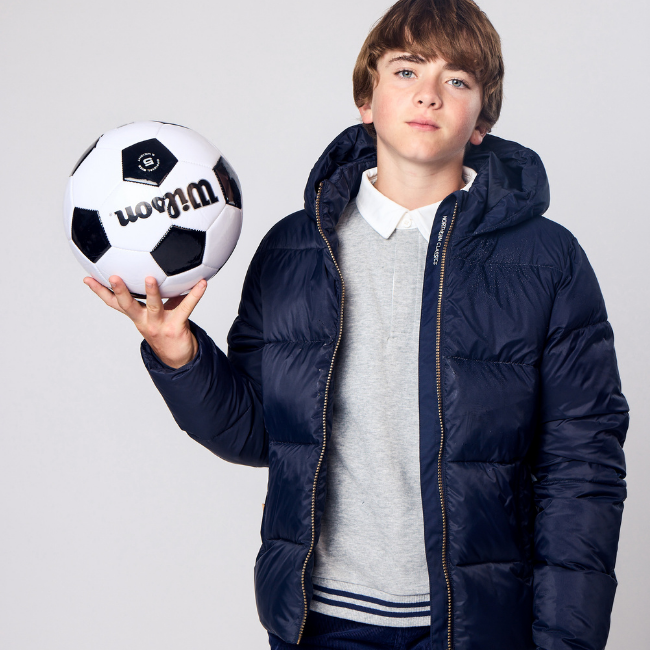
A good winter coat is one of the most important pieces in a child’s winter wardrobe because it helps protect them from snow, wind, and cold while still allowing them to move freely.
The best winter coat for kids should do more than look warm. It should be genuinely built for outdoor play. That means warmth without too much bulk, durable materials that can handle daily wear, and waterproof protection that helps keep kids dry in snow and slush.
When a winter coat works the way it should, kids can climb, sled, run, and explore without feeling restricted. That freedom matters. Winter play is most enjoyable when kids feel protected but still mobile.
For many families, the difference between kids who love winter and kids who complain about it often comes down to whether their clothing is helping or holding them back.
Making Winter Outdoor Play Easier
Parents do not need a complicated plan to help kids get outside more in winter. Often, the best approach is the simplest one.
Keep gear easy to find. Make outdoor play part of the routine. Start small with short neighborhood adventures or quick backyard play. Focus on comfort instead of perfection. Let kids lead with what sounds fun to them.
A few practical habits can make winter outdoor time much easier:
-
keep winter coats, snow pants, boots, and mittens in one easy-to-reach place
-
make sure gear is dry before the next outing
-
dress kids in warm layers
-
aim for consistency, even if outdoor time is brief
-
treat winter play as a normal part of the day, not a major event
When outdoor time becomes part of family life, it feels less like work and more like a rhythm.
The Bottom Line
Kids need outdoor play in every season, including the middle of winter.
Winter outdoor play helps build physical strength, supports better mood, encourages creativity, and teaches resilience. It gives children the chance to move, imagine, explore, and experience the season in a meaningful way. It also helps them build confidence in themselves and comfort in the outdoors that can last for years.
The biggest barrier is often not the weather itself. It is whether kids have the right clothing to stay warm, dry, and comfortable outside.
With dependable winter gear, a good winter coat, and a little encouragement, winter becomes much easier to enjoy. And when kids are comfortable enough to stay outside longer, the season opens up in the best possible way.
Because winter should not just be something children watch through the window. It should be something they get to step into.


Leave a Comment
This site is protected by hCaptcha and the hCaptcha Privacy Policy and Terms of Service apply.