
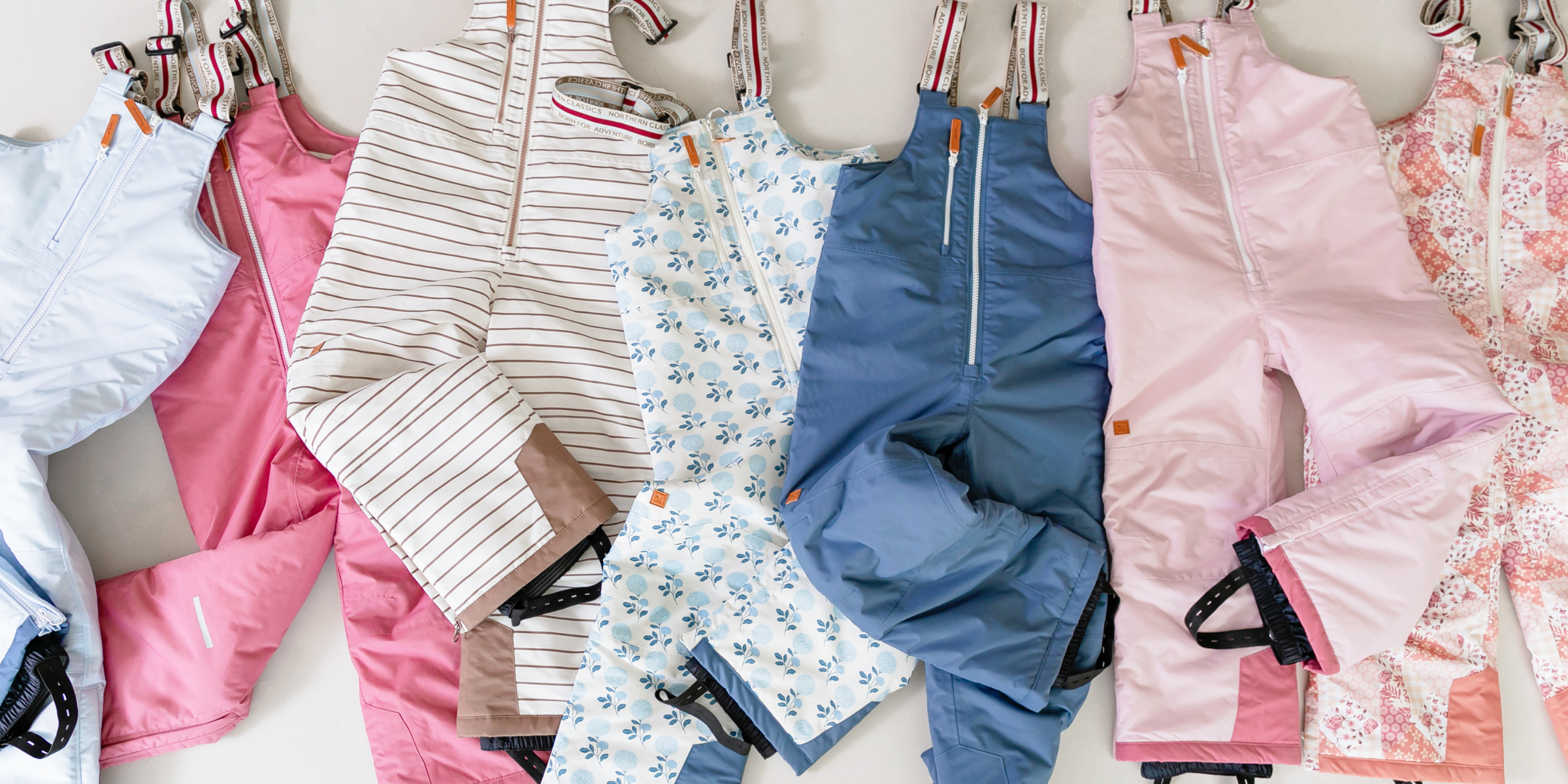
When Is It Too Cold for Kids to Play Outside? A Parent’s Guide to Winter Safety
Winter brings some of childhood’s most memorable moments - sledding down snowy hills, building snowmen, and playing outside during recess. But when temperatures drop, many parents start asking an important question:
When is it too cold for kids to play outside?
Cold weather doesn’t have to mean staying indoors. In fact, outdoor play during winter is healthy and beneficial for children. Fresh air, physical activity, and time spent exploring the outdoors help kids stay active and engaged throughout the colder months.
However, extremely cold temperatures can pose risks if children aren’t dressed properly or if they spend too long outside. Knowing when it’s safe to play outside - and how to dress kids appropriately - helps parents strike the right balance between safety and adventure.
In this guide, we’ll explain:
-
What temperature is too cold for kids to play outside
-
How wind chill affects safety
-
Signs children are getting too cold
-
How long kids can safely play outside in winter
-
The best way to dress children for cold weather
With the right knowledge and proper winter clothing, kids can enjoy winter safely and comfortably.
What Temperature Is Too Cold for Kids to Play Outside?
There isn’t one exact temperature where outdoor play becomes unsafe, but many pediatricians and weather experts recommend using wind chill as the most important factor.
Wind chill measures how cold the air actually feels on exposed skin when wind is present.
Here is a helpful guideline many schools and childcare centers follow:
Above 32°F (0°C)
Outdoor play is generally safe with normal winter clothing.
20°F to 32°F (-6°C to 0°C)
Kids can safely play outside with proper winter layers, hats, gloves, and insulated jackets.
10°F to 20°F (-12°C to -6°C)
Outdoor play should be shorter, and children should wear warm winter clothing including insulated jackets, gloves, hats, and boots.
Below 10°F (-12°C)
Outdoor play should be limited to short periods, especially if wind is present.
Below 0°F (-18°C)
Most schools and pediatricians recommend keeping children indoors due to the increased risk of frostbite.
These are general guidelines, and the amount of time kids spend outside should also depend on their clothing, activity level, and overall comfort.
Why Wind Chill Matters
Wind chill can make a moderate winter day feel much colder.
For example, a temperature of 20°F with strong wind may feel closer to 5°F on exposed skin.
This is important because wind increases the risk of frostbite and can quickly cause children to lose body heat.
When deciding whether kids should play outside, parents should check both:
-
The actual temperature
-
The wind chill temperature
Weather apps and forecasts typically provide wind chill information.
How Long Can Kids Play Outside in the Cold?
The length of time children can safely play outside depends on several factors:
-
Temperature
-
Wind chill
-
Clothing and insulation
-
Activity level
Active play helps children stay warm because their bodies generate heat.
For example, kids who are sledding, running, or building snow forts can usually stay outside longer than kids who are standing still.
General guidelines for outdoor play:
Above 25°F
Kids can often play outside for 30–60 minutes or longer with proper clothing.
15°F–25°F
Outdoor play should typically be limited to about 30 minutes at a time.
Below 15°F
Short outdoor breaks may be safer, with time indoors to warm up.
Frequent warm-up breaks indoors help ensure kids stay comfortable.
Signs Kids Are Getting Too Cold
Children don’t always recognize when their bodies are getting too cold, so parents should watch for warning signs.
Common signs include:
-
Shivering
-
Complaining about cold hands or feet
-
Red or pale skin
-
Slower movement or fatigue
-
Numb fingers or toes
If kids begin showing these signs, it’s time to head indoors and warm up.
Warm drinks, dry clothing, and a comfortable indoor temperature can help restore body heat.
Frostbite and Hypothermia: What Parents Should Know
Extremely cold temperatures can increase the risk of frostbite and hypothermia.
While these conditions are rare during normal winter play, it’s important to understand the basics.
Frostbite
Frostbite occurs when skin and underlying tissue freeze due to extreme cold.
It most often affects:
-
Fingers
-
Toes
-
Nose
-
Ears
-
Cheeks
Early signs include numbness, pale skin, and tingling sensations.
Covering exposed skin and wearing proper winter gear greatly reduces this risk.
Hypothermia
Hypothermia happens when the body loses heat faster than it can produce it.
Signs may include:
-
Persistent shivering
-
Confusion
-
Slurred speech
-
Fatigue
Children who are properly dressed and monitored during outdoor play are unlikely to develop hypothermia during typical winter activities.
How to Dress Kids for Cold Weather
The best way to keep children safe and comfortable outside is by dressing them properly.
Experts recommend using a three-layer system.
Base Layer
The base layer sits directly against the skin and helps manage moisture.
Recommended materials include:
-
Merino wool
-
Moisture-wicking synthetic fabrics
-
Thermal underwear
Avoid cotton base layers because they absorb moisture and can make kids feel colder.
Mid Layer
The mid layer provides insulation by trapping body heat.
Examples include:
-
Fleece jackets
-
Wool sweaters
-
Sweatshirts
This layer helps maintain warmth during outdoor play.
Outer Layer
The outer layer protects children from wind, snow, and moisture.
A high-quality winter coat should provide:
-
Warm insulation
-
Water resistance
-
Durability for active play
Outerwear is especially important when kids are sledding, sitting in snow, or playing in wet winter conditions.
Why the Right Winter Jacket Makes a Big Difference
A reliable winter jacket helps protect kids from the elements and keeps the layering system functioning properly.
Without a strong outer layer, snow and wind can quickly reduce the effectiveness of other clothing layers.
At Northern Classics, we design winter jackets specifically for active kids who spend time outside during cold weather.
Our jackets are built to support real winter adventures with thoughtful features including:
-
Warm insulation that stays lightweight
-
Water-resistant materials that repel snow
-
Mitten loops that keep gloves attached
-
Reflective trim for low-light visibility
-
A ski pass pocket on the sleeve
These details help ensure kids stay warm and comfortable during school days, snow days, and winter adventures.
Tips for Safe Winter Outdoor Play
A few simple precautions can help make winter play both safe and enjoyable.
Check the weather before heading outside.
Look at both temperature and wind chill.
Dress kids in layers.
Layers help regulate body temperature and keep moisture away from the skin.
Cover exposed skin.
Hats, mittens, and neck warmers help prevent heat loss.
Take warming breaks indoors.
This is especially important on very cold days.
Keep kids moving.
Active play helps generate body heat and keeps children warmer.
Why Winter Outdoor Play Is Important
Even during cold weather, outdoor play offers many benefits for children.
Spending time outside helps kids:
-
Stay physically active
-
Build coordination and balance
-
Improve mood and mental well-being
-
Explore nature and develop curiosity
Winter activities like sledding, snowball fights, and building snow forts create lasting childhood memories.
With the right clothing and precautions, kids can enjoy these experiences safely.
Final Thoughts
So when is it too cold for kids to play outside?
In general, outdoor play is safe when temperatures remain above 0°F wind chill, especially when children are properly dressed in warm winter clothing.
The key to comfortable winter play is preparation.
Using a simple layering system, covering exposed skin, and choosing a reliable winter jacket helps ensure kids stay warm during outdoor adventures.
At Northern Classics, we design outerwear that supports children’s love for winter - jackets built for school days, snow days, and everything in between.
Because winter should be a season for exploration, fresh air, and fun.


Leave a comment
This site is protected by hCaptcha and the hCaptcha Privacy Policy and Terms of Service apply.