


Why Kids Refuse to Wear Their Winter Coat (and What to Do About It)
The Morning Coat Battle Is Real
It's 7:45 AM, it's 18 degrees outside, and your child is standing at the door insisting they don't need a coat. Sound familiar? The winter coat refusal is one of the most common - and most frustrating - cold-weather parenting challenges. The good news: it's rarely about stubbornness alone. There are real, identifiable reasons kids resist wearing their coats, and once you understand them, the fixes become a lot more obvious. Browse our kids' winter coats to find styles kids actually want to wear.
Reason One: The Coat Doesn't Fit Right
A coat that's too tight, too stiff, or too bulky is genuinely uncomfortable - and kids are quick to reject anything that feels wrong on their body. This is one of the most overlooked causes of coat refusal, and it's also one of the easiest to fix.
Too Restrictive
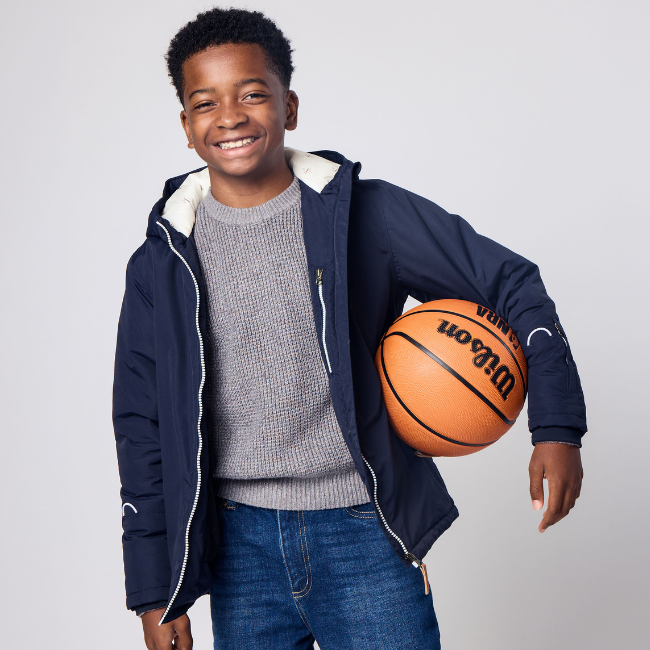
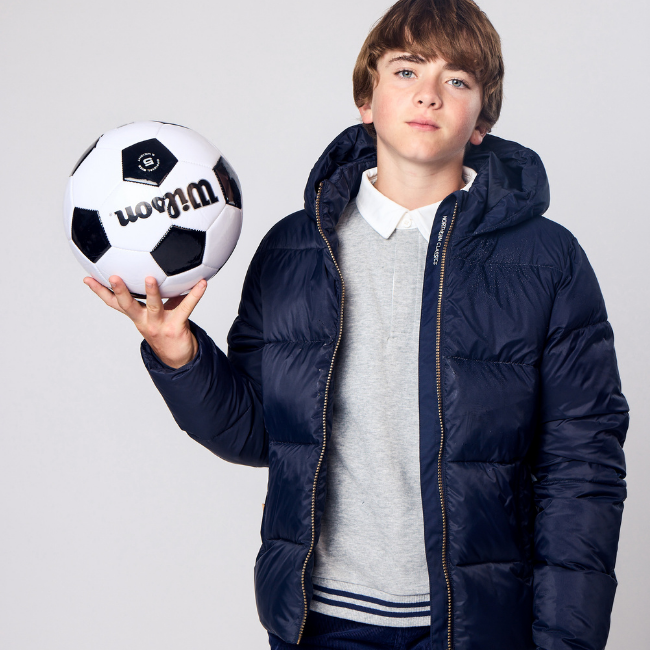
Many budget coats are cut without much attention to mobility. If a coat limits arm movement, feels tight across the shoulders, or makes it hard to bend and run, a child will resist wearing it - not because they're being difficult, but because it's actually uncomfortable. Look for coats with articulated sleeves and stretch panels that allow full range of motion. Our boys' winter coats and girls' winter coats are cut for active kids who need to move freely.
Too Heavy or Bulky
Thick, heavy coats can feel overwhelming on smaller kids - especially toddlers and preschoolers who are still developing body awareness. A lightweight but highly insulated coat is often a better fit for younger children. Check our toddler winter clothing for options that are warm without the weight.
Reason Two: Sensory Sensitivities
For some kids - particularly those with sensory processing differences - a winter coat isn't just uncomfortable, it's genuinely distressing. Scratchy linings, stiff fabrics, tight cuffs, and tags can all trigger real sensory discomfort that a child may not have the words to explain. What looks like defiance is often communication.
What to Look For
If your child consistently complains about how the coat feels - not just that they don't want to wear it - sensory fit is worth investigating. Look for coats with soft interior linings, tagless construction, and adjustable (rather than tight elastic) cuffs. Let your child feel the lining before buying and pay attention to their reaction.
Let Them Try It On First
Whenever possible, have your child try on a coat before committing to it. A coat that feels fine to an adult may feel completely wrong to a sensory-sensitive child. Our customer favorites include styles that have earned repeat purchases from families - often because kids actually like wearing them.
Reason Three: They Don't Feel Cold
Kids run warmer than adults. Their metabolic rate is higher, they're constantly moving, and they genuinely may not feel as cold as you expect them to. This doesn't mean they don't need a coat - it means the argument "but I'm not cold" is sometimes accurate, at least at the moment they're making it.
The Wind Chill Factor
The problem isn't always the temperature - it's wind chill, moisture, and the difference between active play and standing still. A child who feels fine running around at recess will feel the cold the moment they stop. Help older kids understand this distinction rather than just insisting they wear the coat.
Layer Instead of Insisting on One Heavy Coat
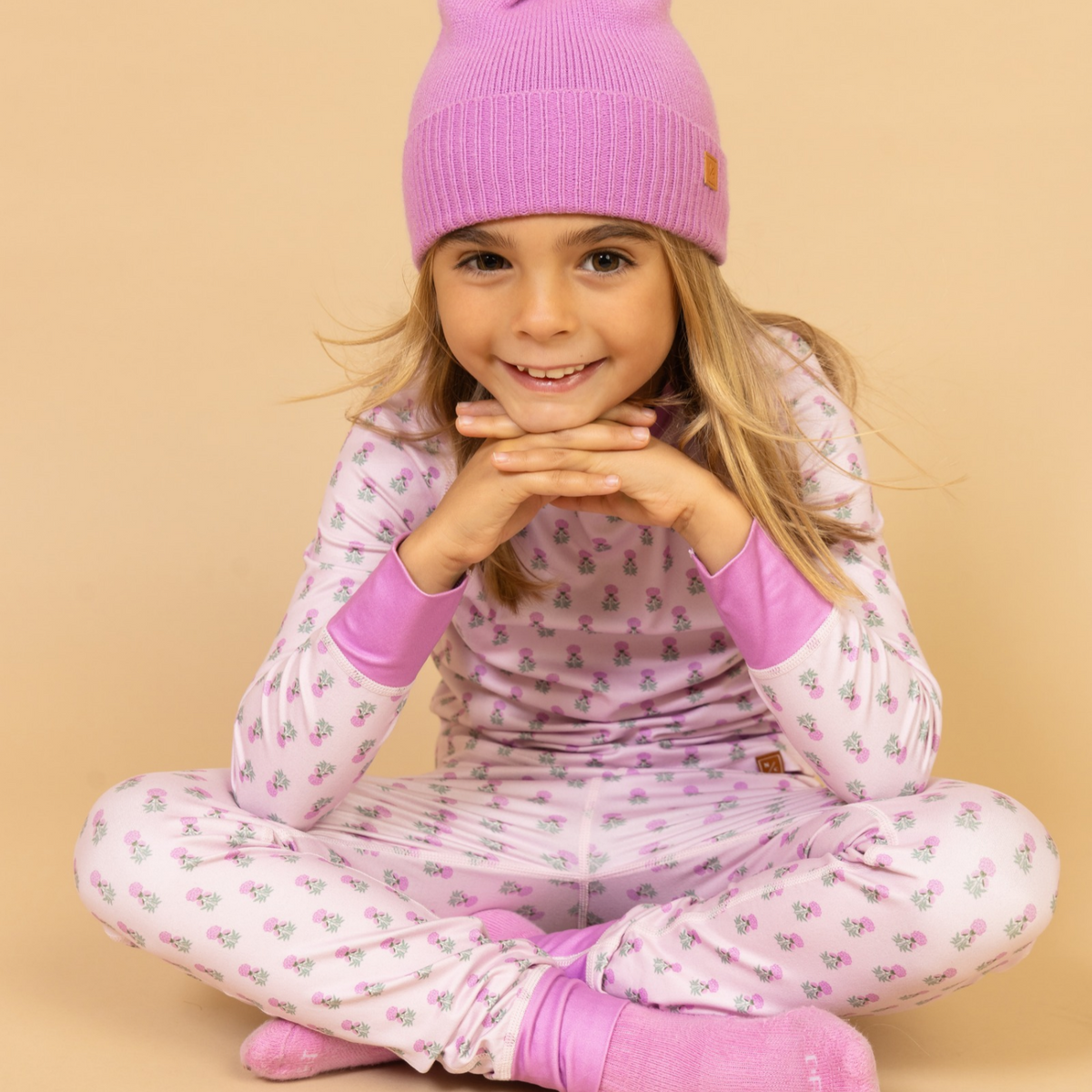
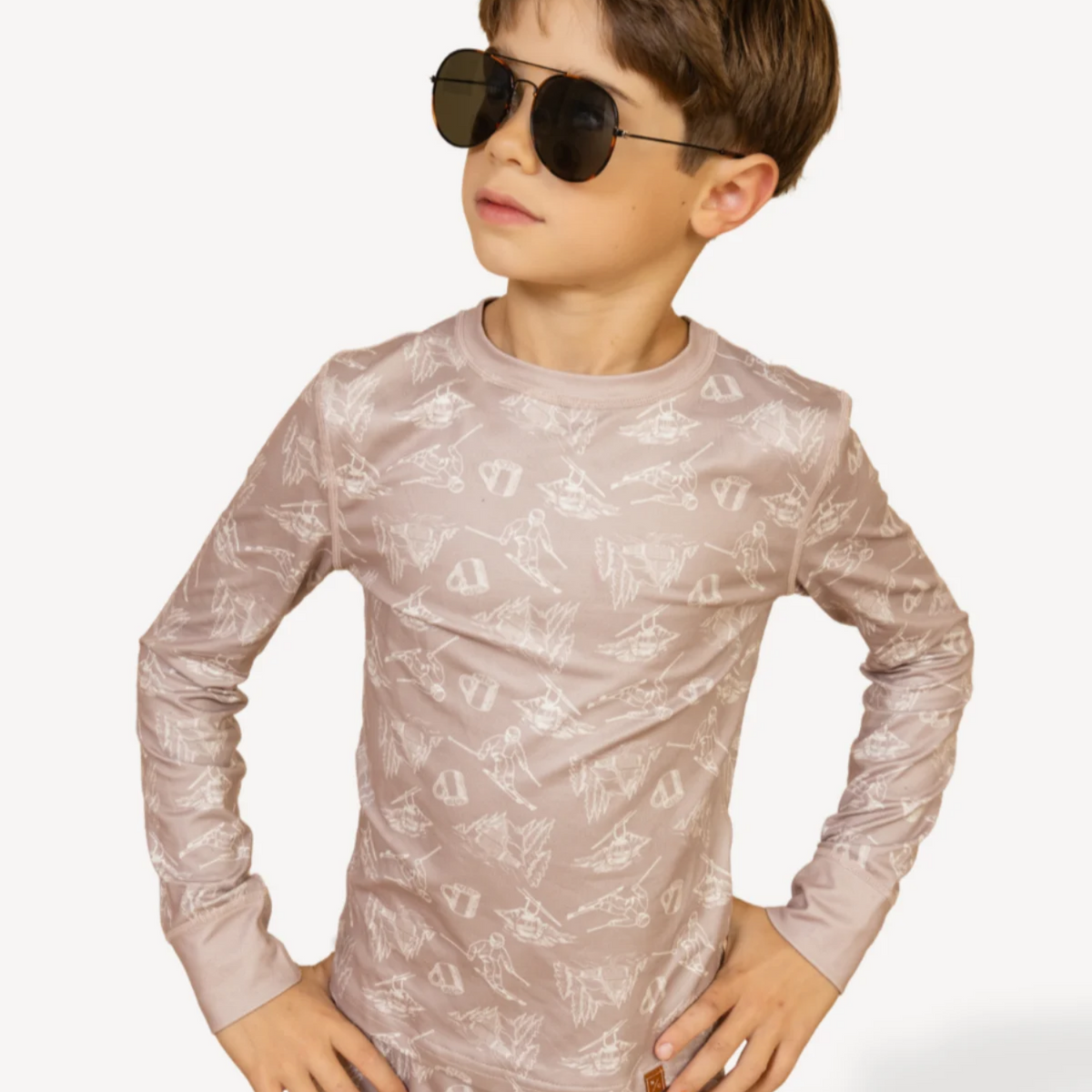
For kids who genuinely run hot, a layering approach can be more effective than a single heavy coat. A moisture-wicking base layer under a fleece jacket and a lighter shell gives them the option to adjust - and kids who feel in control of their comfort are less likely to resist. Explore our layers collection for mix-and-match options.
Reason Four: They Want Control
For toddlers and young children especially, coat refusal is often about autonomy - not temperature. Refusing the coat is a way of asserting control over their body and their day. Fighting this head-on usually makes it worse.
Give Them a Choice, Not an Ultimatum
Instead of "put your coat on," try "do you want the blue coat or the red one?" Offering a choice within a non-negotiable outcome - wearing a coat - gives kids a sense of agency without actually changing the requirement. It sounds simple, but it works remarkably well for the 2-5 age group.
Let Them Pick Their Own Coat
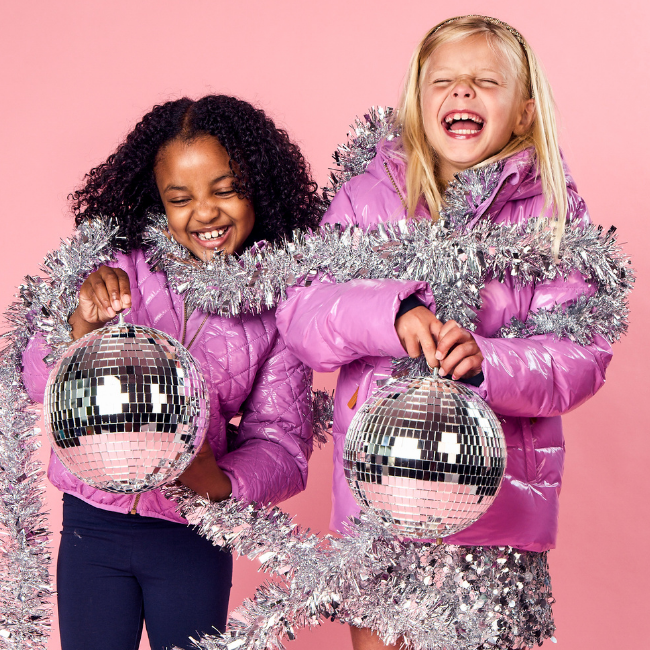
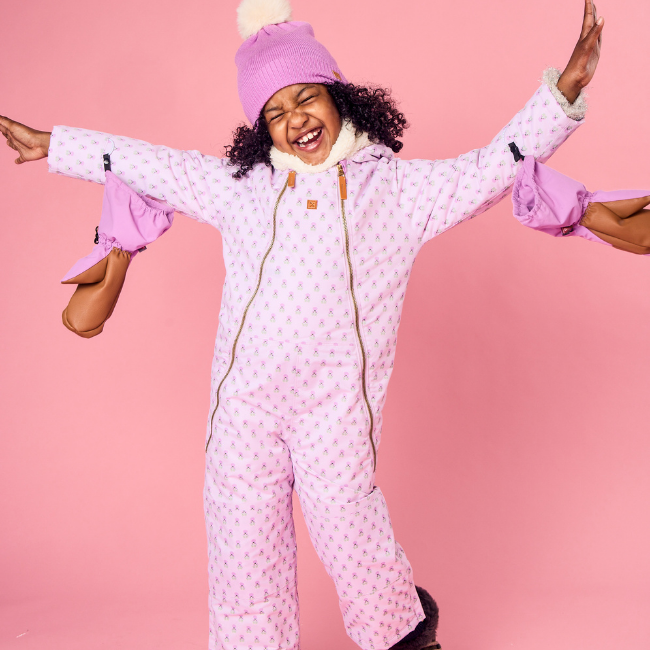
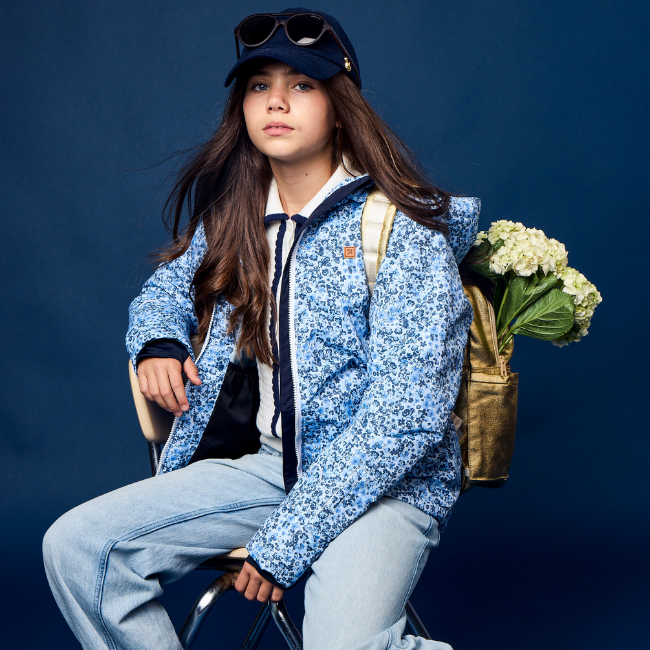
One of the most effective long-term strategies is involving your child in the coat selection process. A kid who chose their own coat - picked the color, liked how it looked - is far more likely to wear it willingly. Browse our girls' pink styles, boys' blue styles, or our full kids' collection together and let them have a real say.
Reason Five: The Coat Is a Hassle to Put On
Zippers that stick, snaps that are hard to close, and sleeves that bunch up inside are all legitimate frustrations - especially for younger kids who are still developing fine motor skills. If putting the coat on is a battle every time, the coat itself may be part of the problem.
Check the Hardware
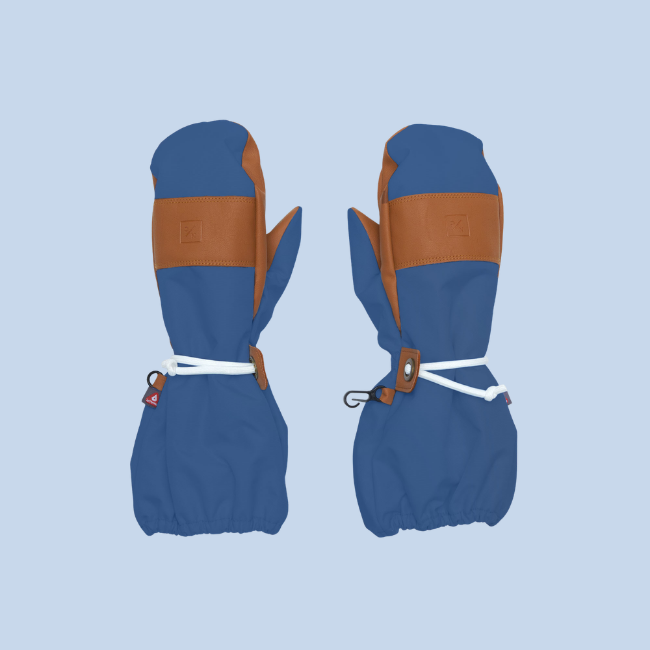
A smooth, easy-glide zipper makes a real difference for young children. Look for large zipper pulls, magnetic closures, or snap-over-zip designs that are easier for small hands to manage independently. A child who can put their own coat on - and take it off - is much more likely to cooperate.
Practice at Home
For toddlers and preschoolers, practicing the "coat flip" method at home - laying the coat on the floor, arms in, flip over the head - can make the morning routine dramatically smoother. It's a small thing, but reducing friction at the moment of resistance makes a big difference.
When to Pick Your Battles
Not every coat refusal needs to become a confrontation. On a short walk from the car to a warm building, the stakes are low. On a long outdoor recess or a ski day, they're not. Calibrating your response to the actual risk - rather than the principle - can reduce overall conflict and preserve your energy for the moments that matter.
Find a Coat They'll Actually Wear
Ultimately, the best winter coat is the one your child will put on without a fight. That means the right fit, the right feel, and ideally a style they had some say in choosing. Explore our best selling coats, Ultra Puff Coat, and winter staples - all selected for the combination of warmth, wearability, and kid-approved design that makes the morning coat battle a thing of the past.


Leave a Comment
This site is protected by hCaptcha and the hCaptcha Privacy Policy and Terms of Service apply.