

How to Layer Kids for Skiing Without Overheating
The Ski Layering Problem Every Parent Knows
You've done everything right - bundled your kid up, made it to the mountain, and by the first chairlift ride they're already complaining they're too hot. Or worse, too cold. Layering kids for skiing is genuinely tricky: conditions change fast, kids run hot when they're moving and cold the moment they stop, and a wrong call at the trailhead is hard to fix mid-run. The good news is there's a proven system that works - and once you understand it, getting dressed for a ski day becomes a lot less stressful.
The Three-Layer System
Effective ski layering follows a simple three-layer framework: a moisture-wicking base layer, an insulating mid-layer, and a weather-protective outer shell. Each layer has a specific job, and the system only works when all three are doing theirs. Browse our full kids' ski wear collection to find pieces built for each layer of this system.
Layer One: The Base Layer
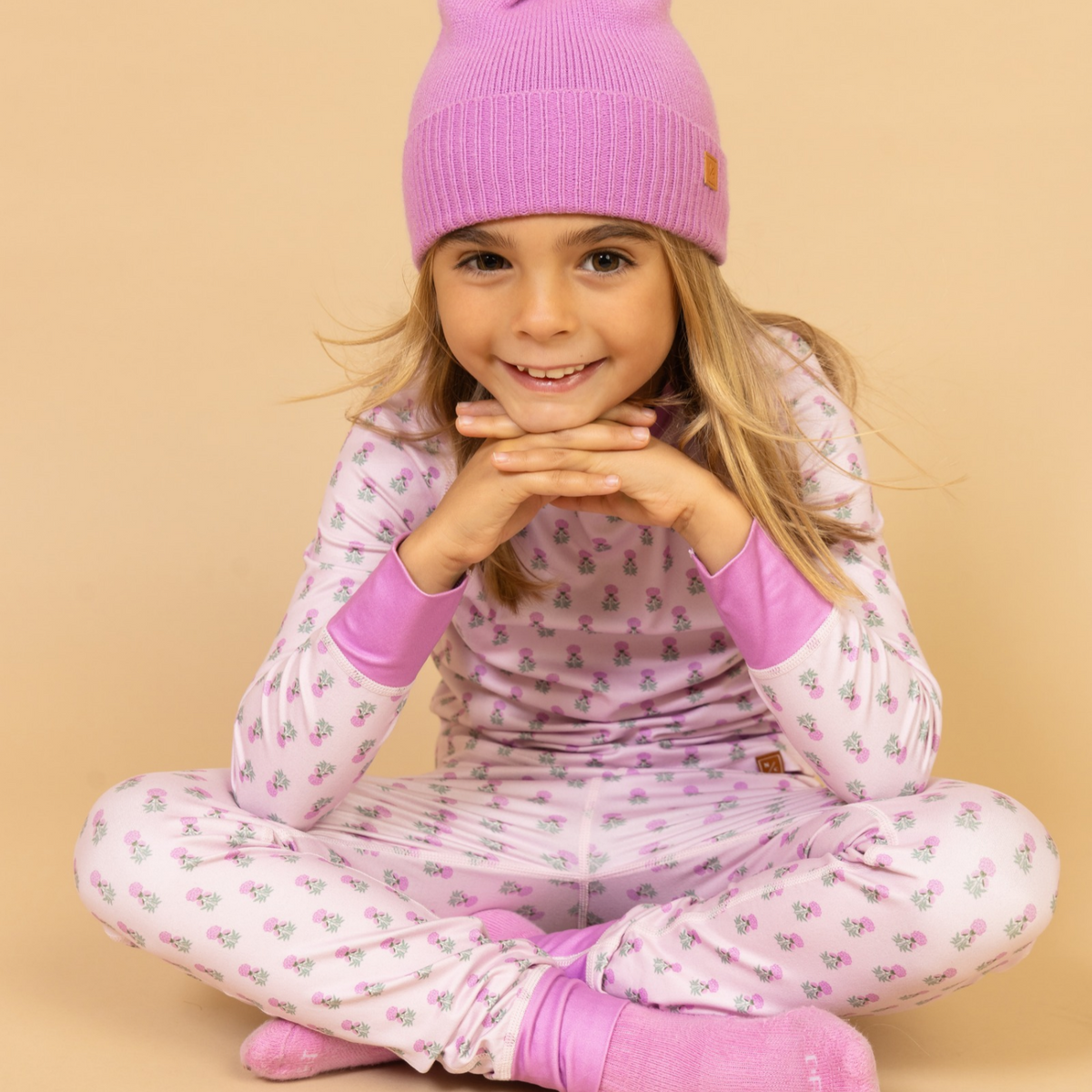
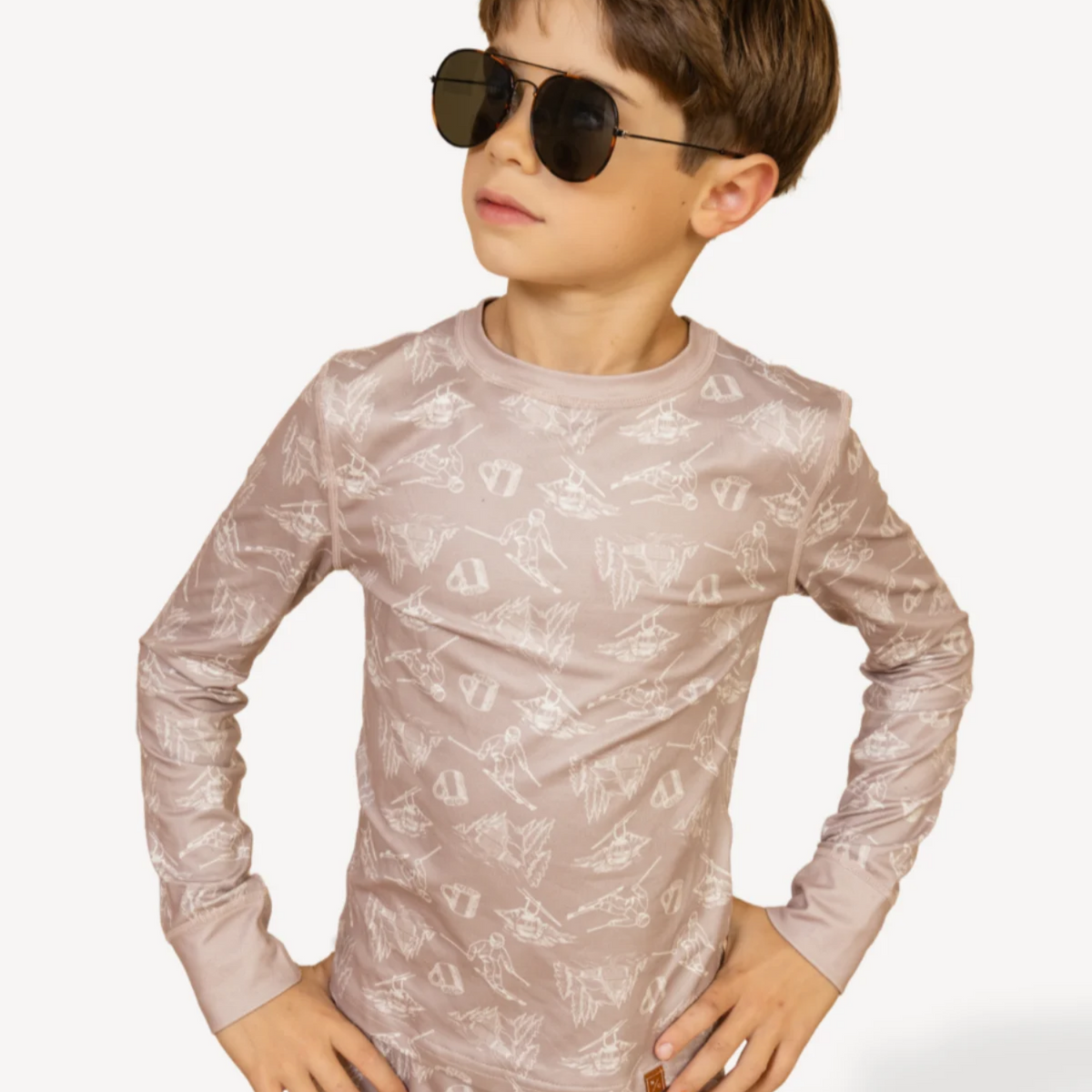
The base layer sits against your child's skin and its only job is moisture management. When kids ski, they sweat - and a wet base layer against the skin is the fastest route to feeling cold. Look for merino wool or synthetic moisture-wicking fabrics that pull sweat away from the skin and dry quickly. Cotton is the one fabric to avoid entirely: it absorbs moisture and holds it, leaving kids damp and chilled. Pair a base layer top with a good base layer bottom for full coverage.
Layer Two: The Mid-Layer
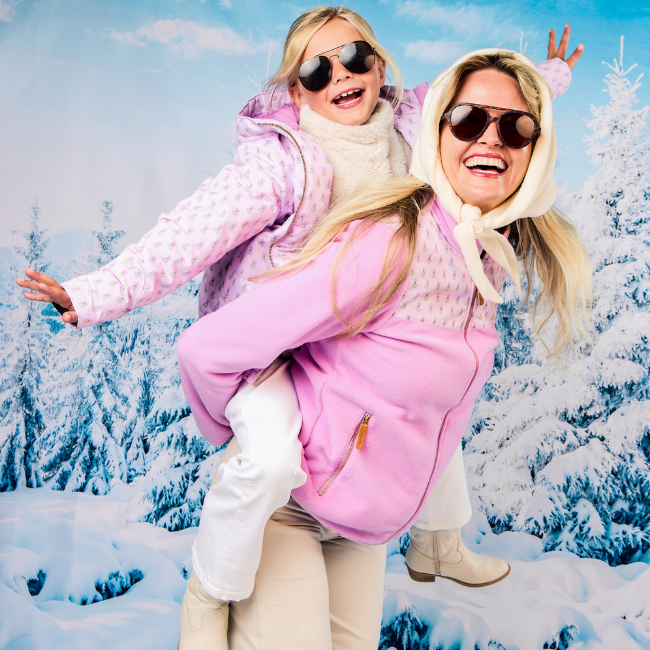
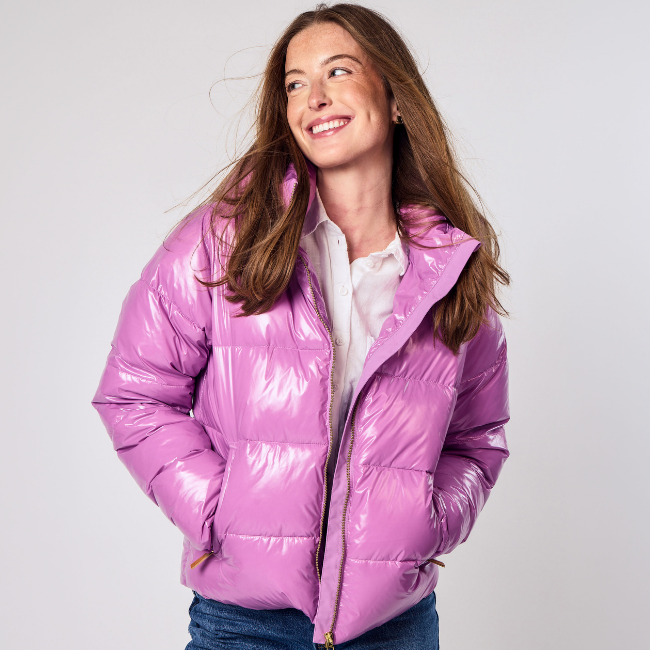
The mid-layer is your insulation - it traps warm air close to the body and keeps your child's core temperature stable. On a ski day, this is typically a fleece jacket or a lightweight puffer. The key is choosing a mid-layer that's warm enough to do its job but not so bulky that it restricts movement or makes the outer shell too tight to zip. Our layers collection has mid-layer options designed to work under a ski shell without adding unnecessary bulk.
Layer Three: The Outer Shell
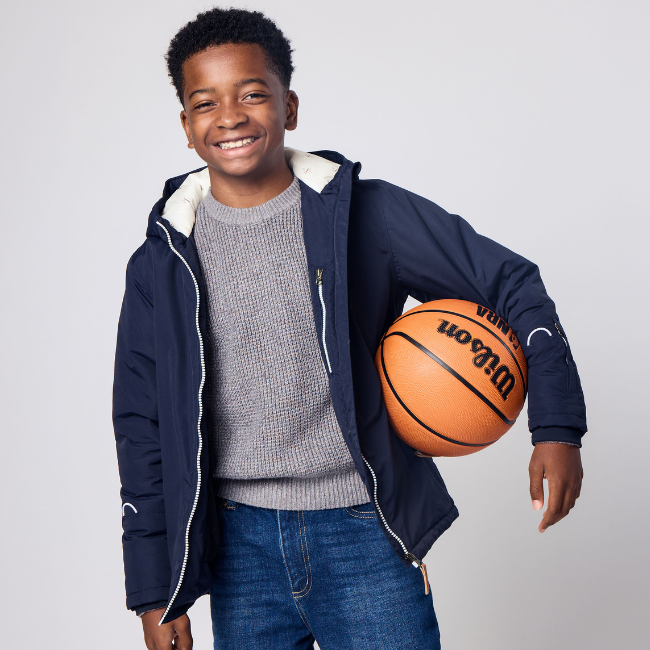
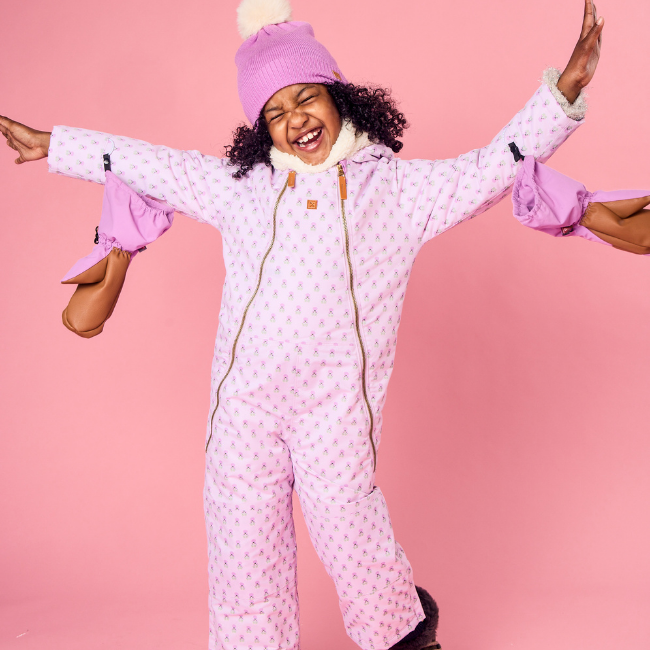
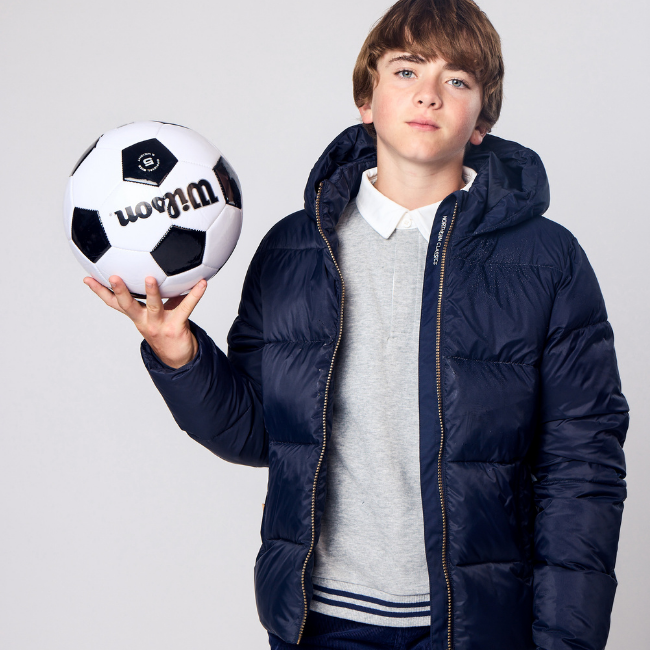
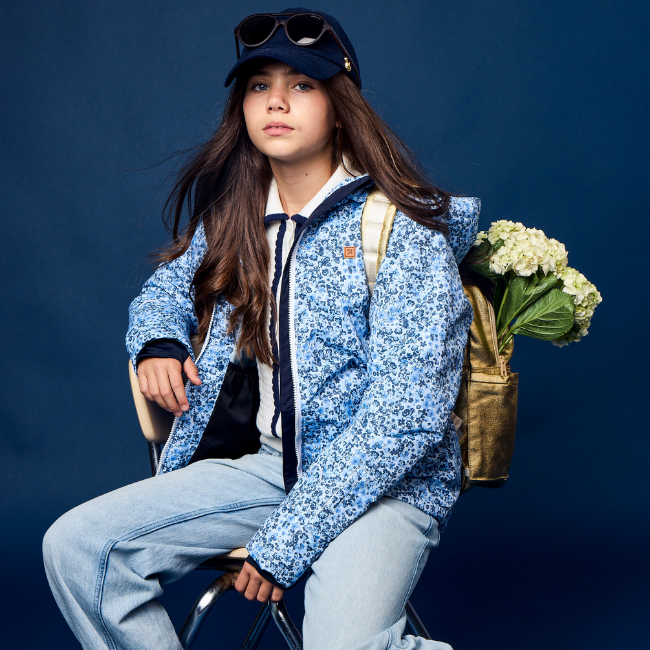
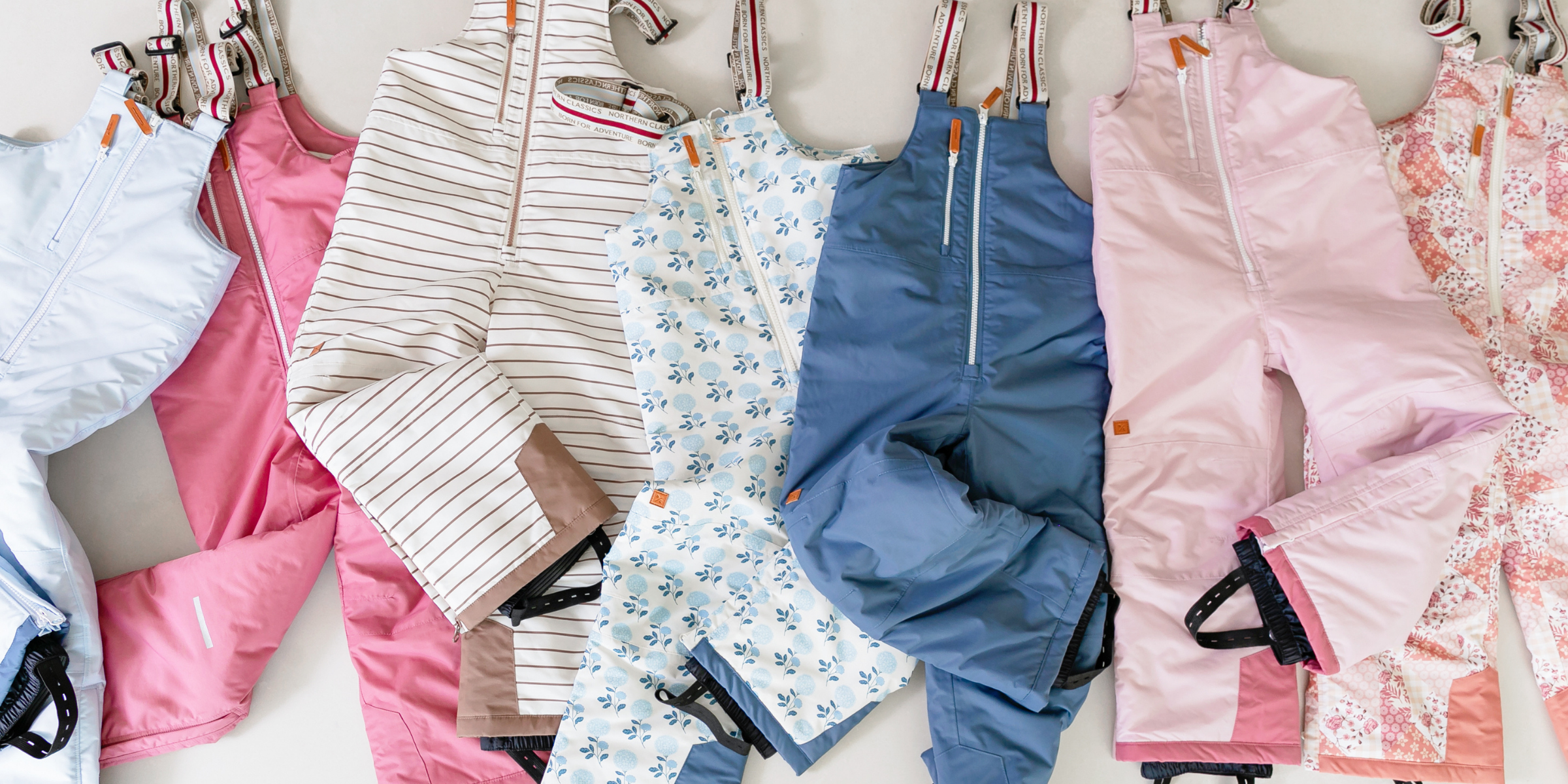
The shell is your child's defense against wind, snow, and wet conditions. For skiing, you want a waterproof or water-resistant shell with sealed seams - not just a DWR-treated softshell. Kids' ski jackets are specifically designed for this: they're cut for mobility, have reinforced high-wear zones, and often include features like powder skirts and helmet-compatible hoods that general winter coats don't. Pair with boys' snow pants or girls' snow pants for full weather protection from shoulders to boots.
How to Avoid Overheating
Overheating is the most common layering mistake on ski days - and it's usually caused by too much insulation, not too little. Kids generate a significant amount of body heat when they're actively skiing, and a system that's perfect for standing at the top of the lift can become stifling after two runs.
Choose Thinner, Higher-Performance Layers
The solution isn't fewer layers - it's smarter ones. A thin, high-performance base layer and a lightweight mid-layer will keep your child warmer and more comfortable than a single thick layer, because the system breathes and adapts as their activity level changes. Avoid heavy sweaters as a mid-layer on active ski days - they don't breathe well enough and are hard to remove on the mountain.
Ventilation Features Matter
Look for ski jackets with underarm vents - sometimes called pit zips - that can be opened to dump heat quickly without removing a layer. Many quality kids' ski shells include these. If your child's jacket doesn't have them, taking a break with the collar and cuffs open can help regulate temperature between runs.
Watch for These Overheating Signs
Kids don't always self-report when they're too hot - they just get cranky or start shedding layers on the chairlift. Watch for flushed cheeks, complaints of feeling sweaty, or a sudden drop in enthusiasm. A quick check at the base of the lift is worth the 60 seconds it takes.
Layering for Different Conditions
The right layering setup shifts depending on the day. A bluebird day with light winds and temperatures in the mid-20s calls for a different configuration than a stormy day with wind chill and fresh snow.
Cold and Calm Days
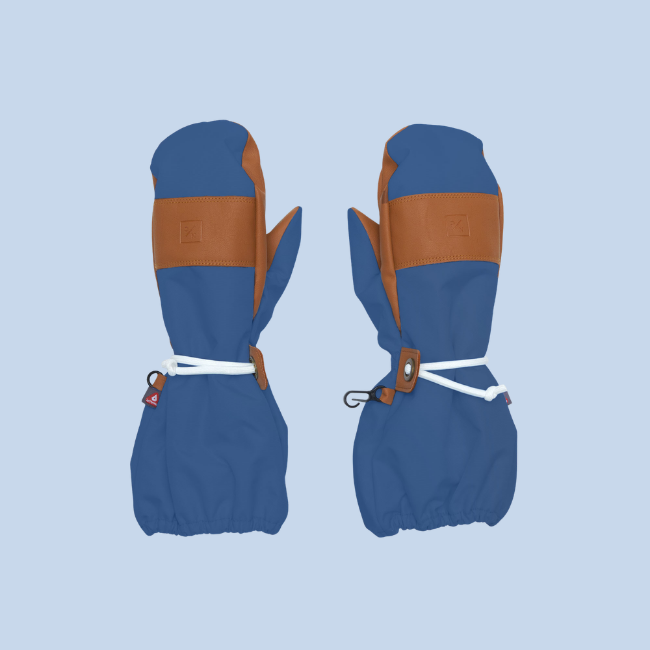
On very cold days, add a lightweight insulated vest between the mid-layer and shell for extra core warmth without restricting arm movement. Keep the base layer and mid-layer the same - the vest does the extra work. Don't forget extremities: kids' mittens retain warmth better than gloves for most young skiers, and a neck gaiter adds meaningful protection without bulk.
Warmer or Spring Ski Days
On warmer days, the mid-layer can often be dropped entirely - a good base layer under a breathable shell is enough when temperatures are above freezing. This is also when moisture management in the base layer matters most, as kids will sweat more and the risk of overheating is higher. Check our winter staples for versatile pieces that work across a range of conditions.
Don't Forget the Accessories
The layering system doesn't stop at the jacket and pants. Heads, hands, and necks lose heat fast - and cold extremities are the number one reason kids want to call it a day early.
Hats and Helmets
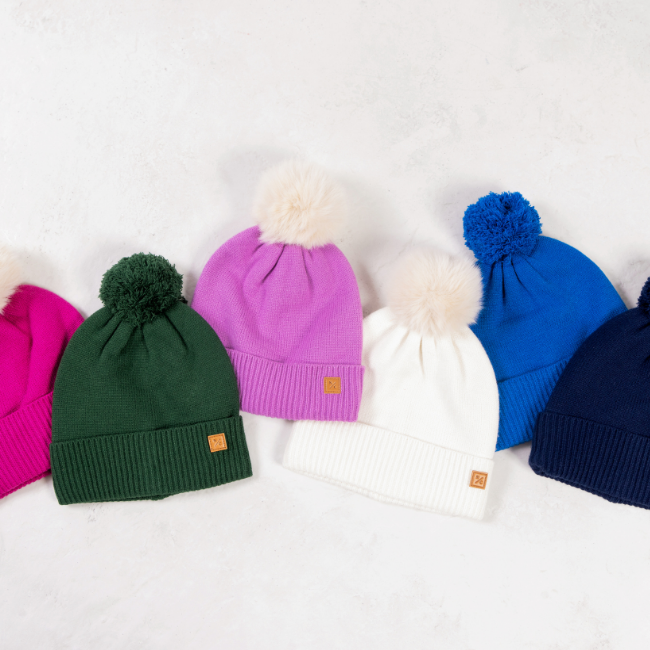
Most kids ski in helmets, which handle head warmth well on their own. A thin liner hat or helmet liner underneath adds warmth on very cold days without making the helmet too tight. Skip the thick knit hat under a helmet - it compresses unevenly and can affect fit and safety.
Mittens Over Gloves
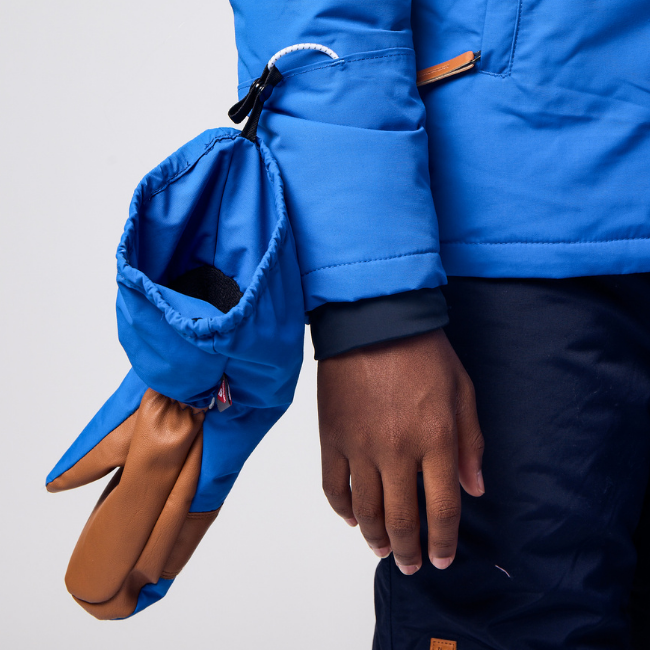
For most kids under 10, mittens are the better choice over gloves. Fingers stay warmer when they're together, and mittens are easier for small hands to put back on after a bathroom break. Look for waterproof shells with a warm liner - the same layering logic applies to hands as it does to the rest of the body.
Build the System Once, Ski All Season
The investment in a proper three-layer ski system pays off across the whole season. Once you have the right pieces, getting your kid dressed for the mountain takes minutes - and you'll spend the day skiing instead of troubleshooting. Explore our kids' ski wear, best selling coats, and customer favorites to build a setup that works from first chair to last run.


Leave a Comment
This site is protected by hCaptcha and the hCaptcha Privacy Policy and Terms of Service apply.