








Why Outdoor Play Is One of the Best Things for Kids
In a world full of screens, structured activities, and busy family schedules, outdoor play has never been more important for children. While technology and convenience have changed childhood in many ways, one thing remains true: kids thrive when they spend time outside.
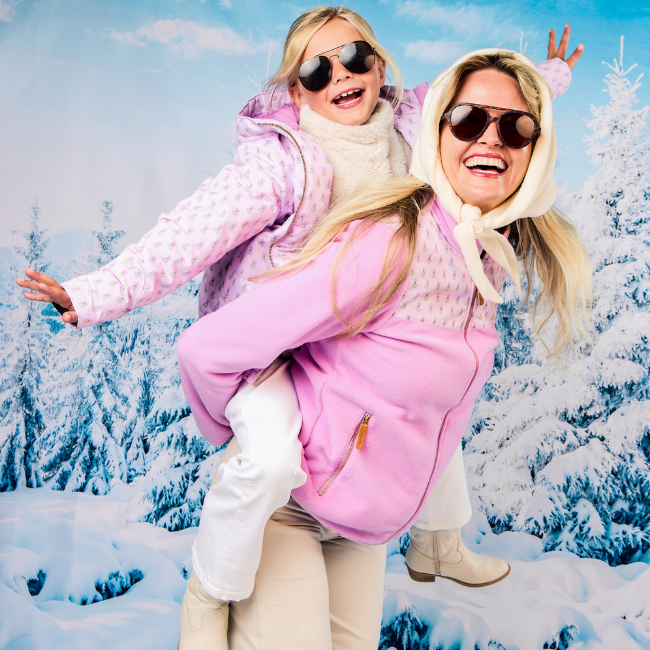
From running through the backyard to building snow forts in winter, outdoor play supports healthy development in ways that indoor activities often cannot. It gives children room to move, imagine, explore, and learn about the world around them. It also offers something many families are craving more of - simple, meaningful time together.
Whether it is a walk around the block, an afternoon at the park, or an hour of backyard adventure, outdoor play offers lasting benefits for kids of all ages. Here is why spending time outside is one of the best things for children - and why it is worth making a priority in every season.
Outdoor Play Builds Strong, Healthy Bodies
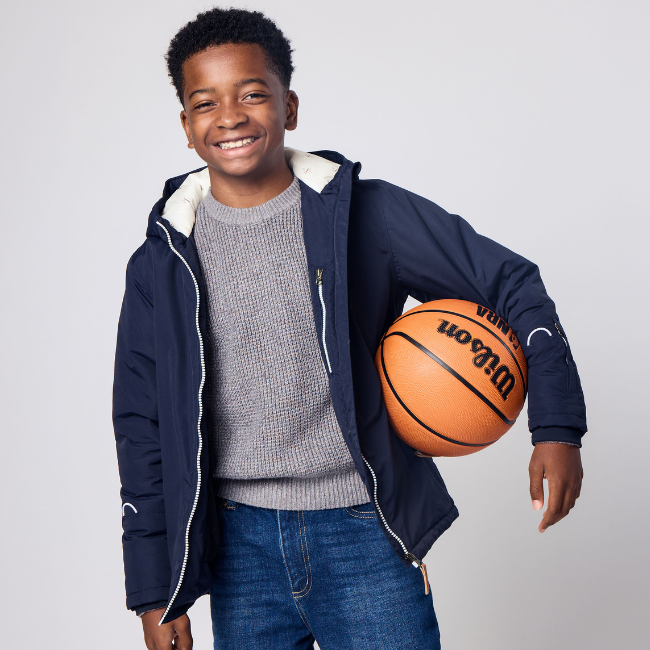
One of the biggest benefits of outdoor play is how naturally it encourages movement. Kids do not need a workout plan or a scheduled sports practice to stay active outside. The environment itself invites them to run, jump, climb, dig, balance, and explore.
This kind of physical activity helps children build strength, coordination, balance, and endurance. Uneven ground, hills, playground equipment, snowbanks, and trails all challenge the body in different ways. Outdoor movement often feels more fun and less forced than exercise indoors, which means kids are more likely to stay engaged longer.
Outdoor play is also a great way to help kids develop gross motor skills. Activities like riding bikes, hiking, sledding, and playing tag improve body awareness and control. Even younger children benefit from simple outdoor experiences like toddling through grass, picking up leaves, or climbing small play structures.
The best part is that outdoor movement does not have to look impressive to be beneficial. A child stomping through puddles, carrying sticks, or chasing a sibling around the yard is still building strength and confidence through active play.
Nature Encourages Creativity and Imagination
Outdoor spaces are full of possibilities. Unlike many indoor toys or games with specific rules, nature offers children an open-ended setting where they can create their own fun.
A pile of snow can become a castle. A stick can become a wand, a sword, or a fishing pole. Rocks, leaves, pinecones, and mud all become part of the story kids are creating. This kind of imaginative play is important because it helps children practice problem-solving, storytelling, and independent thinking.
When kids are outside, they often have more freedom to invent games, explore ideas, and interact with the world in a hands-on way. There is no script, no level to complete, and no right answer. That freedom helps build creativity in a natural and meaningful way.
Outdoor play also teaches children to notice details. They start to pay attention to changing seasons, animal tracks, weather patterns, textures, and sounds. Curiosity grows quickly when kids are given the chance to slow down and observe the world around them.
For parents looking to encourage more imaginative play, the outdoors is one of the easiest and most effective places to start.
Fresh Air and Time Outside Support Emotional Well-Being
Time outdoors can also have a powerful effect on a child’s mood. Many parents notice that kids seem calmer, happier, and more focused after spending time outside. There is something restorative about fresh air, open space, and a break from screens and indoor routines.
Outdoor play gives children a healthy outlet for energy and emotion. Running, digging, climbing, and exploring help release tension in a way that feels natural and enjoyable. For kids who are feeling restless, overwhelmed, or cranky, even a short burst of outdoor time can make a difference.
Spending time outside can also help children reset. After a long school day, a walk, a bike ride, or free play in the yard can provide a much-needed transition before homework, dinner, or bedtime. It creates space for kids to unwind and regulate in a healthy way.
Outdoor play can be especially valuable for families trying to create more balance in daily life. It offers a simple way to reconnect, slow down, and step away from the constant stimulation of modern routines.
Kids Learn Confidence and Resilience Outside
Not every outdoor adventure goes perfectly - and that is part of the benefit.
When children play outside, they face small challenges all the time. Maybe the hill is steeper than expected. Maybe the trail is muddy. Maybe it is colder, windier, or snowier than they hoped. Working through those little discomforts helps kids build resilience.
Outdoor play teaches children that they are capable. They learn how to try again, adjust, problem-solve, and keep going. They discover that being uncomfortable for a moment is not the same as being unsafe. That lesson matters.
Climbing to the top of the playground, learning to ride a bike, crossing a creek, or spending a snowy afternoon outside all help children build real confidence. These experiences show them what their bodies can do and what they can overcome.
Playing outdoors in different kinds of weather also teaches adaptability. Kids begin to understand that fun does not have to depend on perfect conditions. With the right mindset and the right clothing, many days that seem less than ideal can still become memorable adventures.
Outdoor Play Supports Independence
The outdoors often invites a different kind of play than indoor spaces do. There is more room to roam, more choices to make, and more opportunities for children to lead their own experience.
That independence matters. When kids choose how to play outside, they practice decision-making and develop a stronger sense of confidence in themselves. They learn how to explore safely, test boundaries, and engage with the world in a self-directed way.
Even simple experiences - like deciding which trail to take at the park or figuring out how to build a fort from branches - help children grow in independence. They learn through doing, not just being told.
For many parents, one of the most rewarding parts of outdoor play is watching kids become more capable over time. The child who once needed help stepping over a log may soon be leading the adventure.
Outdoor Play Helps Families Create Meaningful Routines
Outdoor play does not have to be complicated to matter. In fact, some of the most valuable outdoor moments are the simplest ones.
A ten-minute walk after dinner, a backyard scavenger hunt, a Saturday morning sledding trip, or a habit of stopping at the playground after school can all become part of a family’s rhythm. These routines create consistency, connection, and memories.
When time outside becomes a normal part of family life, it feels less like one more thing to schedule and more like a natural way to spend time together. It also helps children grow up seeing outdoor play not as a special occasion, but as a regular and important part of childhood.
Simple Ways to Get Kids Outside More
If getting outdoors feels harder than it should, you are not alone. Many parents want their kids to spend more time outside, but everyday life can make that difficult. The good news is that it does not have to be all or nothing.
Here are a few simple ways to encourage more outdoor play:
Keep outdoor gear easy to grab.
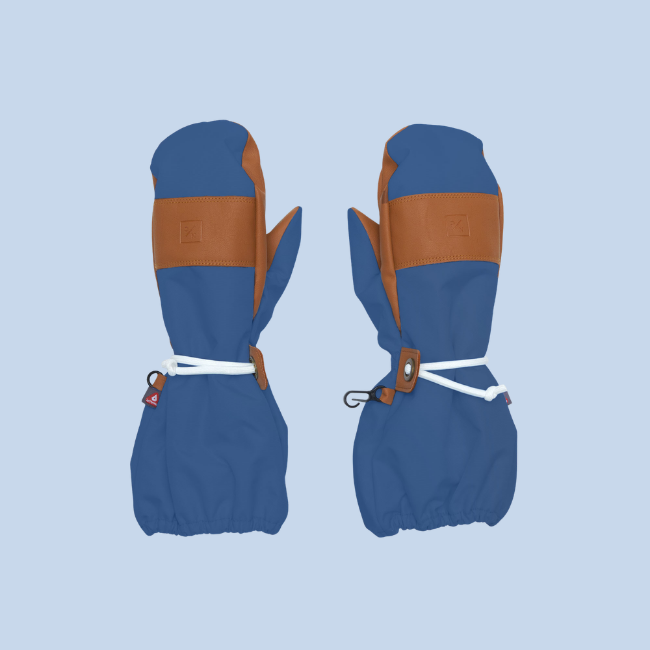
When coats, boots, hats, mittens, and layers are organized and accessible, getting outside feels much more manageable.
Plan short neighborhood adventures.
You do not need a full afternoon or a major outing. A quick walk, scooter ride, or visit to a local park still counts.
Build outdoor time into your routine.
Try heading outside after school, after naps, or before dinner. Routines make outdoor play easier to maintain.
Dress kids for the weather.
This is one of the biggest barriers for many families. When children are warm, dry, and comfortable, they are much more likely to enjoy being outside.
Follow your child’s interests.
Some kids love biking. Others love puddles, nature walks, or building things in the snow. Start with what excites them.
The Right Gear Makes Outdoor Play Easier
Sometimes the biggest barrier to outdoor play is simply not having the right gear ready. If kids are cold, wet, or uncomfortable, outdoor time becomes frustrating for everyone. But when they are dressed appropriately for the weather, it is much easier to say yes to spontaneous play.
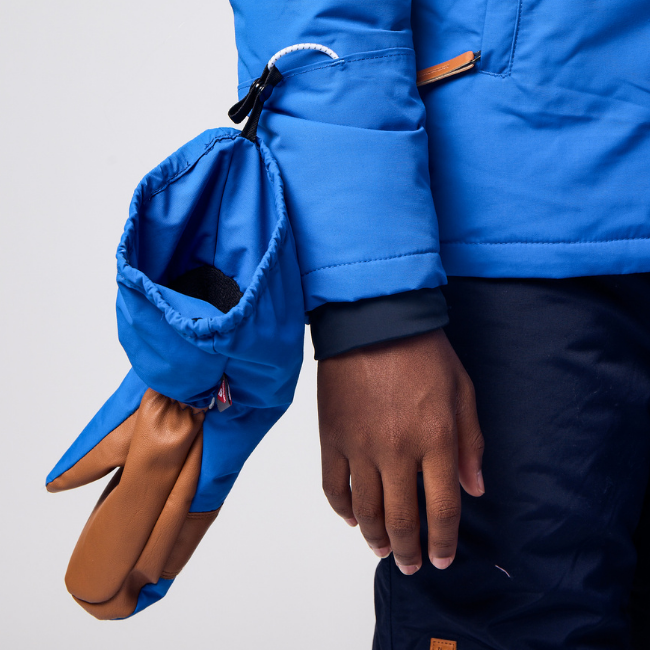
Warm layers, weather-ready outerwear, and dependable accessories can turn a chilly afternoon into a great one. Good gear helps kids stay focused on the fun instead of the discomfort. It also gives parents more confidence about heading outside, even when conditions are not perfect.
That does not mean every outing needs to be elaborate. It just means being prepared enough that outdoor play feels easy instead of stressful.
Why Outdoor Play Matters More Than Ever
Childhood should include room to roam, space to imagine, and opportunities to experience the world firsthand. Outdoor play offers all of that and more. It supports physical health, emotional well-being, creativity, confidence, and resilience - all through something that feels simple and joyful.
In a time when so much of life happens indoors, getting kids outside is one of the most valuable things parents can do. It does not have to be perfect, and it does not have to take all day. Even small moments outside can have a big impact.
Because when kids have the freedom to run, explore, create, and play in the fresh air, they are doing more than just passing the time. They are building the foundation for a strong, healthy, adventurous childhood.


Leave a Comment
This site is protected by hCaptcha and the hCaptcha Privacy Policy and Terms of Service apply.