

Gloves vs Mittens for Kids Winter Play: Which Is Better?
When it comes to dressing kids for winter, parents often focus first on coats, snow bibs, snow pants, and boots. But one of the most important pieces of winter gear is often much smaller: what goes on their hands.
If your child’s hands get cold or wet, outdoor play can end quickly. Even the warmest coat will not help much if little fingers are freezing halfway through sledding, building snow forts, or walking to school on a cold morning. That is why many parents find themselves asking the same question every winter: are gloves or mittens better for kids?
Both gloves and mittens are designed to protect hands from cold weather. Both can work for winter play, and both have their place depending on your child’s age, activity level, and the conditions outside. But when you compare gloves vs mittens for kids winter play, mittens often come out ahead for warmth, comfort, and keeping little hands happy longer.
The reason is simple: kids do not just stand outside in winter. They dig in the snow, grab sled handles, make snowballs, climb, fall, crawl, and sit in icy conditions. Their winter gear needs to do more than just look cute. It needs to keep them warm and dry through real movement and real play.
Here is a closer look at the difference between gloves and mittens, the pros and cons of each, and why mittens are often the better choice for active kids in winter.
What Are Winter Gloves?
Winter gloves are hand coverings with separate spaces for each finger and a thumb. This design gives kids more dexterity and allows them to move each finger independently.
Because gloves allow for more finger movement, they are often helpful for tasks that require grip or coordination. Older kids may prefer gloves because they make it easier to hold ski poles, zip coats, carry gear, or manage buckles and straps without taking them off.
Parents often choose gloves because they seem practical and familiar. Gloves can work well for everyday winter use, especially for older children who need more flexibility with their hands.
In general, gloves are often a good option when kids need:
-
more finger movement
-
better grip and dexterity
-
easier handling of zippers, buckles, or equipment
-
a less bulky feel
However, while gloves can be useful, they are not always the warmest option for long periods of outdoor winter play.
What Are Winter Mittens?
Mittens cover the thumb separately, but keep the rest of the fingers together in one shared space. At first glance, mittens may seem less functional than gloves because they do not allow for as much finger independence. But when it comes to warmth, that shared space is actually a major advantage.
Because fingers are together inside mittens, they share heat more effectively. This helps keep little hands warmer, especially in cold, windy, or snowy weather. That is why many parents shopping for the best winter mittens for kids end up choosing mittens over gloves for snow play and outdoor adventures.
Mittens are especially popular for:
-
toddlers and younger kids
-
sledding and snow play
-
cold or windy climates
-
longer stretches of time outside
-
kids whose hands get cold easily
For many families, mittens are the go-to choice for true winter conditions because they focus on the most important goal: keeping kids warm enough to stay outside and enjoy themselves.
Gloves vs Mittens: What Is the Biggest Difference?
The biggest difference between gloves and mittens is warmth versus dexterity.
Gloves give kids more control over each finger, which can make some tasks easier. Mittens, on the other hand, are usually warmer because the fingers stay together and retain heat better.
That tradeoff matters when deciding what your child really needs. If the goal is maximum warmth during winter play, mittens often win. If the goal is hand movement for specific tasks, gloves may be more useful.
When comparing kids’ gloves vs mittens, it helps to think about how your child will actually use them. Are they playing in deep snow for an hour? Are they walking into school? Are they skiing? Are they the kind of child who complains about cold hands after ten minutes outside? Those real-life details matter more than the label alone.
Why Mittens Are Often Better for Kids Winter Play
1. Mittens Are Usually Warmer
One of the biggest reasons parents choose mittens is simple: mittens are generally warmer than gloves.
With gloves, each finger is separated, which means each finger has less opportunity to share warmth. That makes it easier for little fingers to get cold, especially in freezing temperatures. Mittens keep the fingers together, helping them stay warmer naturally.
For kids who spend a lot of time outside in the winter, that difference can be huge. Warmer hands usually mean more comfortable play, fewer complaints, and less time spent coming inside early because of cold fingers.
This is one reason so many parents searching for the warmest handwear for kids in winter choose mittens first.
2. Mittens Are Better for Snow Play
Winter play is messy. Kids scoop snow, push sleds uphill, fall into snowbanks, and pack snow into balls and forts. Their handwear needs to handle a lot of contact with wet, icy surfaces.
Because mittens are often built for warmth and snow protection first, they tend to work especially well for active winter play. A good pair of insulated, weather-resistant mittens can help keep hands warmer and drier through all the digging, grabbing, and tumbling that comes with being a kid in winter.
For children who are more focused on playing than carefully staying dry, mittens can be the more forgiving choice.
3. Mittens Are Often Easier for Younger Kids
Toddlers and younger children often do better with mittens than gloves. Getting five separate fingers into the correct spots in a glove can be frustrating for both kids and parents. Mittens are usually quicker and easier to put on, especially when you are trying to get out the door fast.
That simplicity matters during busy winter mornings. It also matters when a child is learning to get dressed independently. Many parents shopping for mittens for toddlers or preschool-aged children find that mittens are simply easier to manage.
And for younger kids, warmth is usually much more important than dexterity anyway.
4. Mittens Help Kids Stay Outside Longer
At the end of the day, the best winter gear is the gear that lets kids keep playing comfortably. Since mittens usually provide better warmth, they often help children stay outside longer without getting miserable.
For families who value outdoor play in winter, that matters. A child with warm hands is much more likely to enjoy sledding, recess, walks, and snow days. A child with freezing fingers is ready to quit almost immediately.
If your goal is encouraging more outdoor play through the winter months, mittens are often the safer bet.
When Gloves Might Work Well
Even though mittens are often warmer, gloves still have some clear advantages in the right situations.
Older kids may prefer gloves because they give them more freedom to move their fingers. Gloves can also be helpful for skiing, snowboarding, or other activities where children need a more precise grip. If a child is frequently adjusting equipment, carrying gear, or using their hands for more detailed tasks, gloves may feel more practical.
Gloves may work well if your child:
-
is older and wants more dexterity
-
needs to hold poles, gear, or equipment
-
dislikes the bulk of mittens
-
is only outside for shorter periods
-
prioritizes finger movement over maximum warmth
For some kids, especially older ones, gloves may be the preferred choice for school, sports, or milder winter days. The key is making sure they are insulated well enough for the conditions.
Mittens vs Gloves for Toddlers and Young Kids
If you are choosing winter gear for a toddler or young child, mittens are often the better option.
Little kids usually care much more about being warm than about finger movement. They are not worried about managing ski poles or handling detailed equipment. They are focused on digging in snow, climbing, running, and playing hard. Mittens match that kind of play well.
Younger kids also tend to lose body heat more quickly and may not notice they are getting too cold until they are already uncomfortable. A warm pair of mittens can make winter play much more enjoyable and much less frustrating.
That is why many parents consider mittens the best choice for toddlers, preschoolers, and younger elementary-aged children.
What to Look for in Kids’ Winter Mittens or Gloves
Whether you choose gloves or mittens, a few features make a big difference in how well they perform.
Look for handwear that offers:
-
insulation for warmth
-
a water-resistant or waterproof outer shell
-
a soft lining for comfort
-
long cuffs to help overlap with jacket sleeves
-
an adjustable wrist or closure to help keep snow out
-
a secure fit that stays on during play
Good winter handwear should help keep warmth in and snow out. If kids’ gloves or mittens are constantly slipping off, getting soaked, or leaving gaps at the wrist, they will not do their job well.
Why Many Parents Choose Mittens
For active winter play, mittens often check the most important boxes. They are warmer, simpler, and usually better suited to the way younger kids actually play outside.
Compared with gloves, mittens often offer:
-
better warmth
-
better heat retention
-
easier use for younger children
-
greater comfort during long snow play
-
a more reliable choice for cold-weather adventures
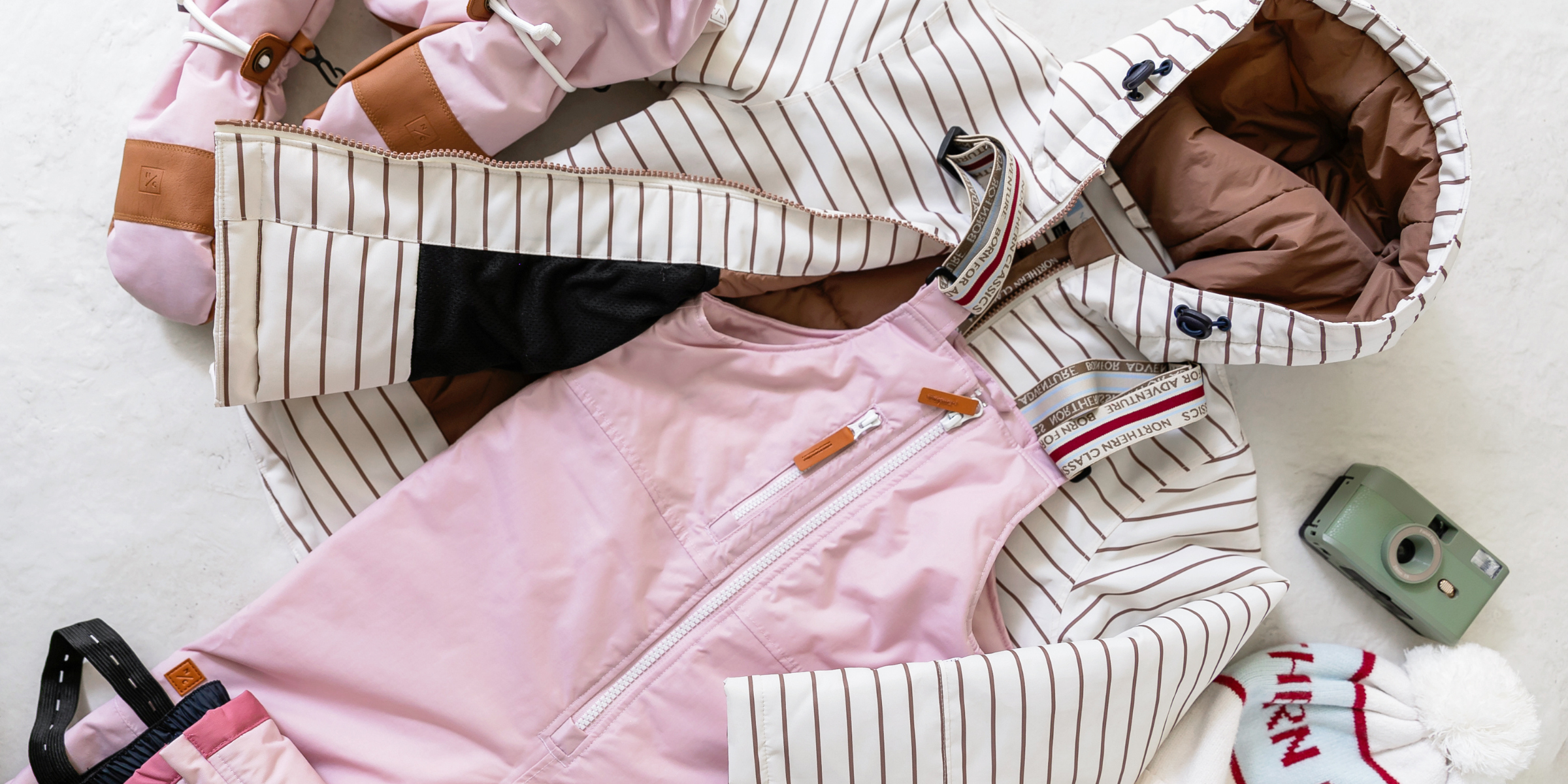
That is why many winter outerwear brands, including Northern Classics, offer mittens designed specifically for active kids who need dependable warmth and weather protection.
The Bottom Line
Both gloves and mittens can work for kids in winter, but when comparing gloves vs mittens for kids winter play, mittens often come out ahead.
Because mittens keep fingers together, they usually provide better warmth than gloves. That makes them especially helpful for snow days, sledding, recess, winter walks, and long hours of outdoor play. For toddlers and younger children in particular, mittens are often the easiest and most effective choice.
Gloves still have their place, especially for older kids who need more dexterity. But for families focused on keeping kids warm, dry, and happy outside, mittens are often the better option.
When little hands stay warm, winter play lasts longer. And that means more time for sledding, snow forts, backyard adventures, and all the fun that makes winter childhood so memorable.


Leave a comment
This site is protected by hCaptcha and the hCaptcha Privacy Policy and Terms of Service apply.