

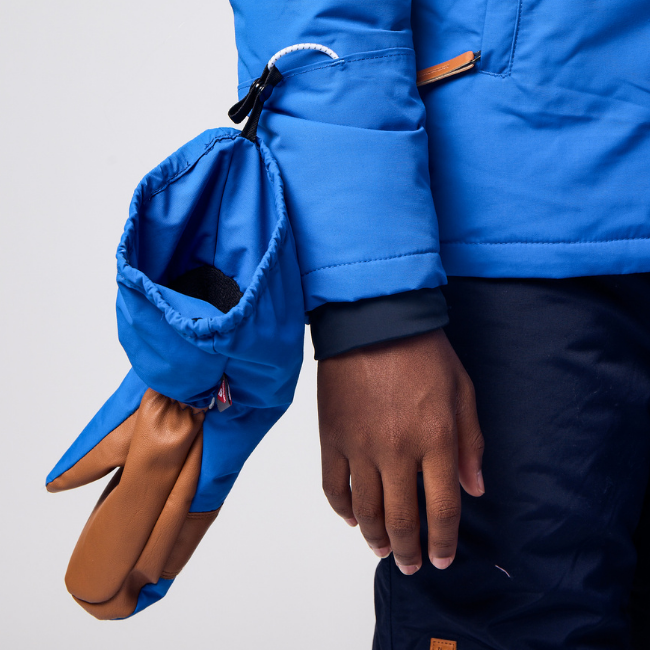

How to Dry Wet Winter Gear Overnight
Every parent eventually runs into the same winter problem: the gear is soaked, the next outing is tomorrow, and there is not nearly enough time for trial and error. Maybe it is after a ski day. Maybe it is the result of a slushy recess, an afternoon of sledding, or a snowstorm that lasted longer than expected. Whatever caused it, the question is the same: how do you dry wet winter gear overnight without damaging it or ending up with still-damp mittens in the morning?
The answer is part practicality and part routine. Winter gear does not usually need complicated treatment, but it does need more than being tossed in a pile by the door. A little strategy can make the difference between gear that is dry, warm, and ready to go by morning and gear that still feels cold and damp when everyone is trying to get out the door.
The first rule: do not leave wet gear in a heap
The biggest mistake families make is letting wet winter gear sit bunched together. Mittens stuffed into sleeves, snow pants crumpled on the floor, or a winter coat tossed over a chair may eventually dry, but usually not fast enough or evenly enough.
Wet gear needs airflow. The sooner you separate the pieces, open them up, and get them into a position where air can move around them, the better your chances of having everything dry by morning.
Start drying as soon as you come inside
If you know your child will need the gear again the next day, do not wait until bedtime to deal with it. Even an extra hour or two of drying time can help significantly. Shake off loose snow first, then open closures, pull apart cuffs, and lay or hang each piece in a way that exposes the damp areas.
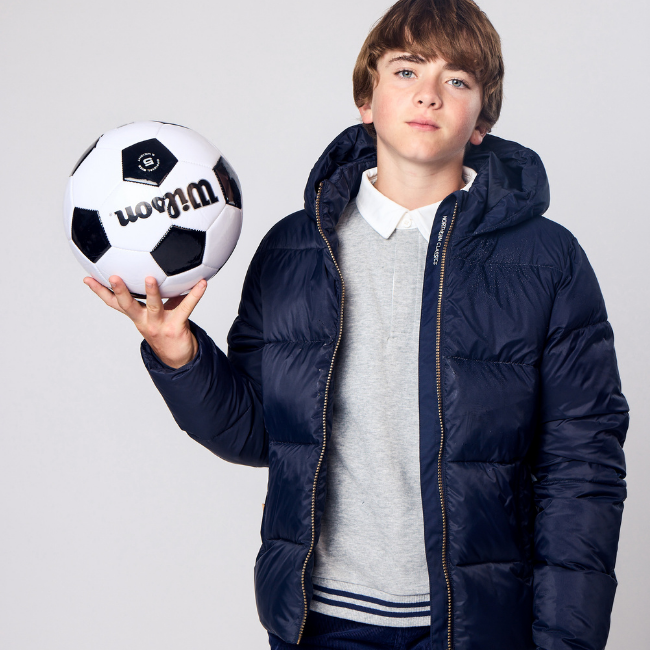
Mittens should be separated from each other and opened as much as possible. Snow pants should not stay folded. Winter coats should be hung properly rather than draped in a tight bundle.
Airflow matters more than heat alone
Parents sometimes assume the answer is maximum heat, but direct heat is not always the best first move. What gear usually needs most is air circulation. A warm room with decent airflow often works better than a hot blast that only dries the outer surface quickly.
If you can position gear near a vent, fan, drying rack, or other source of moving air, that often helps more than simply placing it in a warm space without circulation.
Pay attention to the places that stay wet longest
Not all parts of winter gear dry at the same speed. Mittens often stay damp inside even when the outside feels fine. Snow pants can trap moisture in cuffs and seams. Winter coats may hold dampness around the sleeves, hem, and lining.
That is why it helps to focus on problem zones rather than assuming the whole piece is dry just because the outer fabric feels better. Open what you can, turn pieces when needed, and give the thickest areas extra time.
Drying mittens well
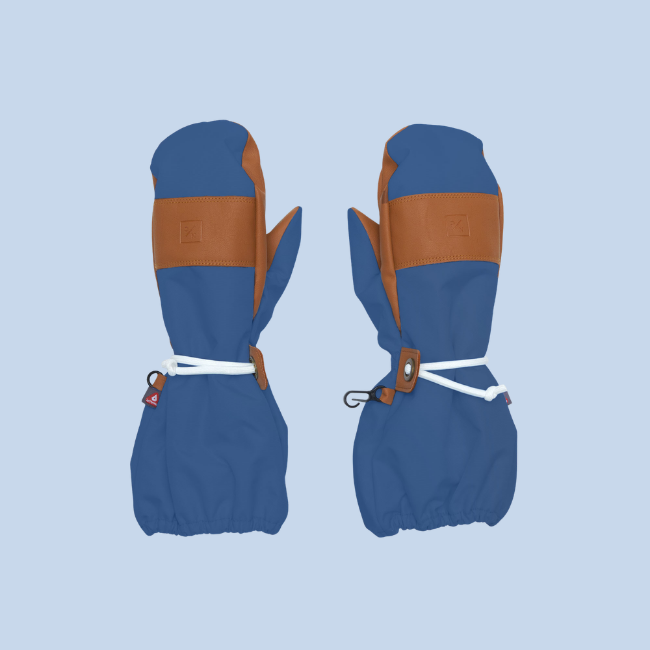
Mittens are often the hardest part of the system because they absorb moisture, have limited airflow inside, and are usually the first thing children need again. The key is to open them fully and avoid leaving them palm-down in a pile.
If possible, position them so air can move into the opening. Some parents also rotate them once or twice before bed to make sure damp inner spots are not trapped against a surface all night.
Drying snow pants and winter coats
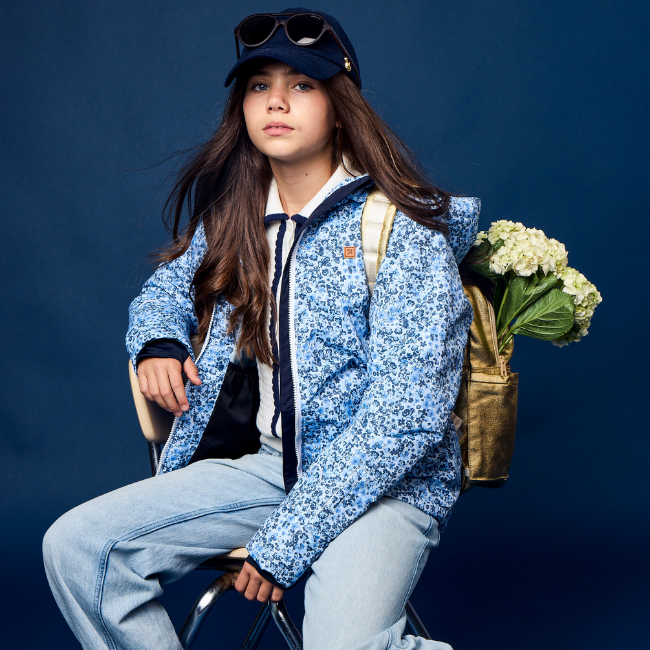
Snow pants and winter coats usually dry best when hung in a way that lets air reach both the outside and inside as much as possible. Zippers and snaps may need to be opened to help moisture escape. If the cuffs are especially wet, turn attention there first since they often take the longest.
The goal is not only dryness, but readiness. Children need gear that feels comfortable the next day, not gear that is technically less wet but still cold and clammy.
Should you use the dryer?
Parents should always check care instructions first. Some winter gear can handle certain dryer settings, while other pieces should be air dried or dried with caution. The safest default is to avoid assuming that all winter outerwear can go into the dryer the same way everyday clothing can.
Build a repeatable winter routine
One of the easiest ways to make winter mornings smoother is to create a simple post-outing routine. When children come in, boots go in one place, mittens in another, snow pants are opened up, and winter coats are hung properly. This small system reduces the chaos and makes overnight drying much more likely to succeed.
It also helps parents notice which items need backup pairs or more drying help before the next morning rush.
Why good drying habits extend the life of gear
Drying winter gear properly is not just about convenience. It can also help the pieces last longer. Wet items left crumpled repeatedly tend to wear differently than pieces that are aired out, cared for well, and stored correctly between uses.
For families hoping to get through a full season or pass items down, that care matters.
The bottom line
The best way to dry wet winter gear overnight is to act early, separate each piece, prioritize airflow, and pay attention to where moisture lingers longest. Mittens, snow pants, and winter coats all dry better when they are opened up and given space rather than left in a pile.
When parents build a simple drying routine, winter gets easier. The next morning runs smoother, children stay more comfortable, and the gear is ready for whatever the day brings.


Leave a Comment
This site is protected by hCaptcha and the hCaptcha Privacy Policy and Terms of Service apply.