

What Should Kids Wear Under Snow Pants?
Snow pants do a lot of heavy lifting in winter, but what kids wear underneath them matters more than many parents realize. A great pair of snow pants can help keep out cold air, moisture, and snow, but the layers underneath are what determine whether a child stays warm without overheating or feeling restricted.
This becomes especially clear during active winter days. A child who is skiing, sledding, walking to school, or playing hard at recess needs warmth, but not so much bulk that they can barely move. If the layers underneath snow pants are too heavy, kids can feel stiff and uncomfortable. If they are too light, the child may start the day fine and end it cold.
The best approach is usually simple. Most children do not need an overly complicated system. They need a base that feels comfortable, a layer plan that matches the weather, and snow pants that can do their job properly.
Start with comfort against the skin
The first layer under snow pants should feel easy to wear for a full day. If the child is uncomfortable from the start, the rest of the outfit will not matter much. The goal is to choose something that adds light warmth, allows movement, and does not bunch up awkwardly under the snow pants.
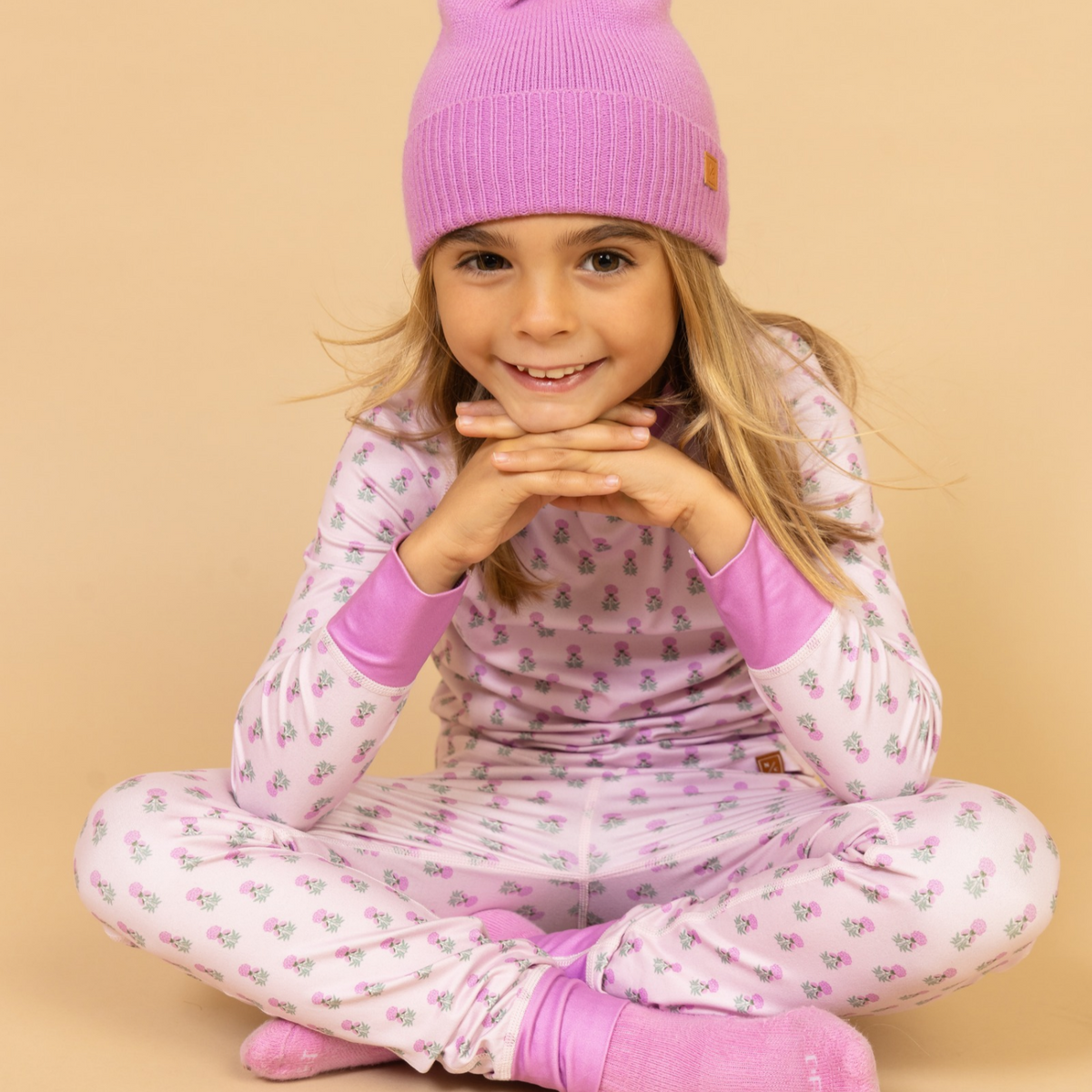
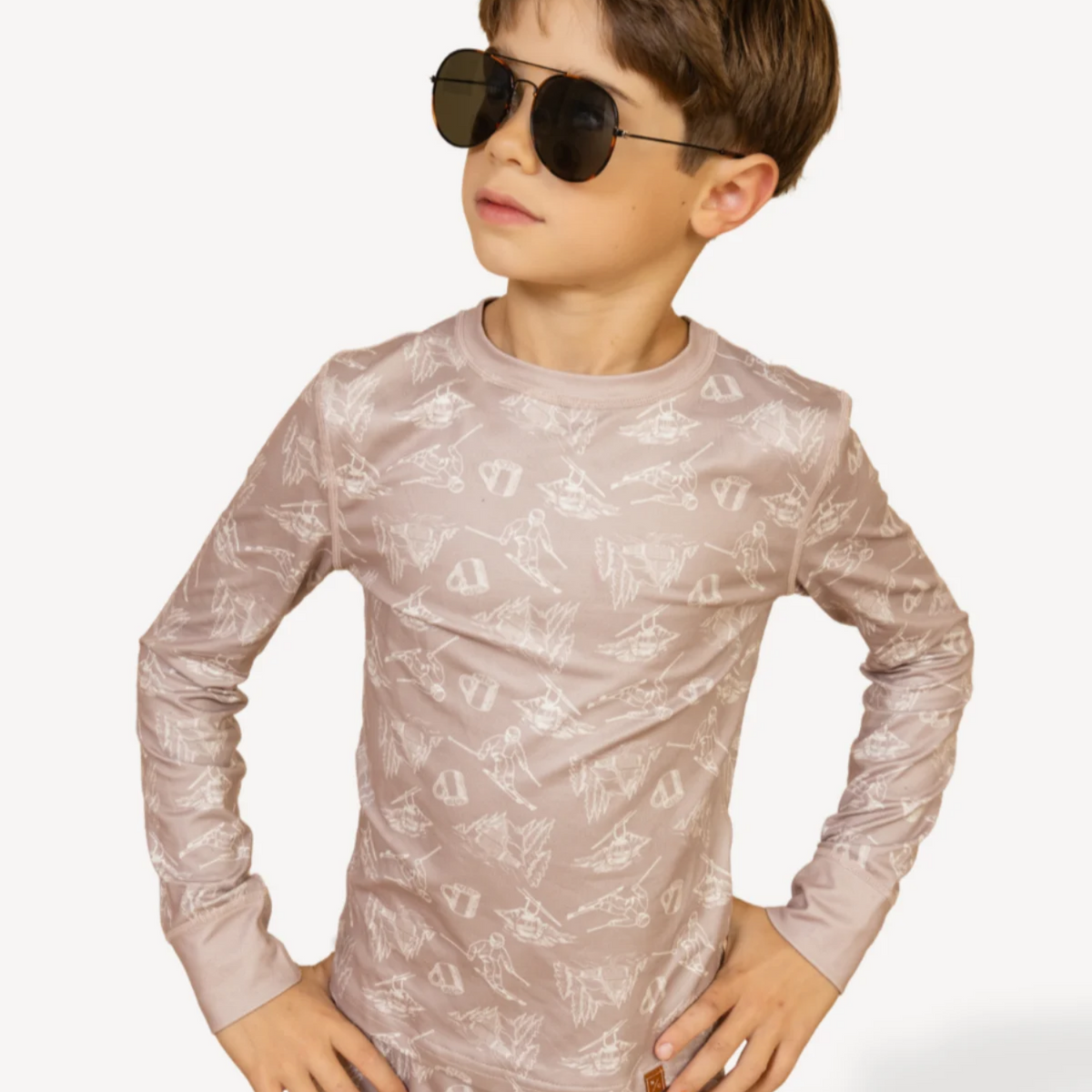
For many children, a close-fitting base layer works best. It helps trap warmth without creating excess bulk, and it tends to move well with the body. It also makes it easier for the snow pants to fit the way they were intended.
Why jeans are usually not the best idea
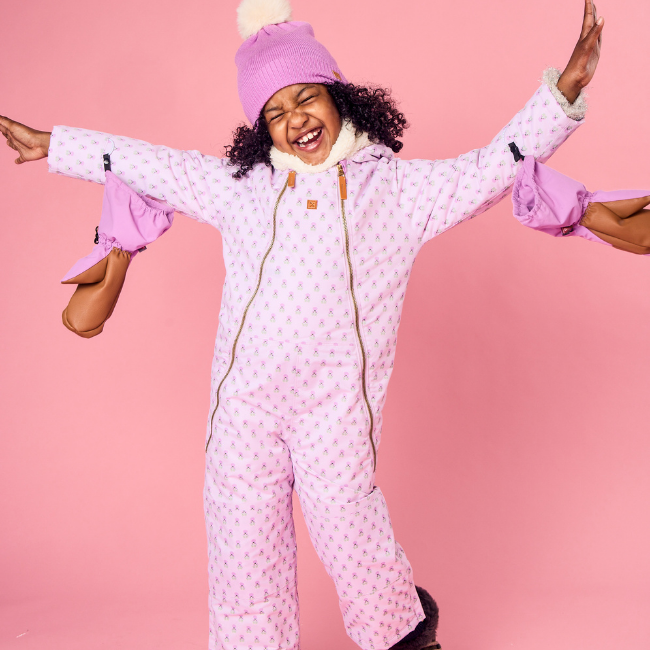
Many parents have sent a child outside in jeans under snow pants at some point, especially on school days when getting dressed quickly matters. While jeans may seem convenient, they are usually not ideal under snow pants. They can feel stiff, bulky, and uncomfortable once layered under winter gear, and they do not adapt particularly well if moisture gets involved.
A softer, more flexible layer underneath typically works better. Children are more comfortable, and they can move more naturally.
How cold is cold enough for extra layers?
Not every winter day requires the same setup. One of the reasons parents get stuck on what to wear under snow pants is that the answer changes depending on the weather, the activity, and the child.
On milder winter days, a lighter base layer may be enough. On colder days or for longer outdoor exposure, children may need something warmer under their snow pants. The key is to think in terms of balance. The snow pants themselves already provide protection and often insulation, so the goal underneath is usually support rather than volume.
What to wear for winter recess
For school recess, children often need a setup that can stay comfortable across multiple transitions. They may go from classroom to outside to lunch and back again. Because of that, a simple, non-bulky layer under snow pants tends to work best.
Parents also need to think about independence. Younger children especially benefit from layers that are easy to manage when bathroom breaks or outfit adjustments come up during the school day.
What to wear for skiing or sledding
For skiing, sledding, and other active snow play, the right base layer can make a big difference. These activities usually involve more movement, longer outdoor exposure, and more contact with snow. A layer that helps regulate warmth without adding stiffness is ideal.
This is also where parents sometimes over-layer out of caution. While the instinct to add more warmth makes sense, too much bulk can make children feel restricted and may even lead to overheating once they start moving.
The role of fleece jackets and other mid-layers
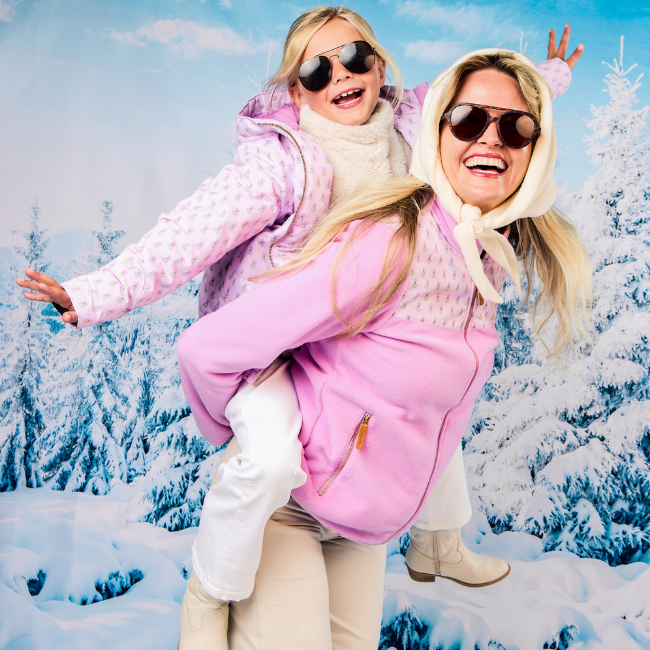
Fleece jackets are a great mid-layer for the upper body, but they are not usually what children need directly under snow pants. Instead, fleece jackets often pair with the rest of the outfit, helping create warmth above the waist while the lower half stays streamlined under the snow pants.
That combination often works well because it keeps the child warm overall without making the lower body too bulky.
How to tell if the layers are working
If your child is comfortable, moving well, and not coming inside cold or sweaty, the system is probably working. Signs that the layers are too heavy include complaints about stiffness, resistance to putting the snow pants on, or obvious overheating once the child starts playing.
Signs that the setup is too light include cold legs, discomfort after longer exposure, or the child losing interest in being outside sooner than expected.
A simple formula for parents
In most cases, the best answer to what kids should wear under snow pants is this: start with one comfortable base layer, then adjust according to the temperature and activity. Keep the lower half streamlined and let the snow pants do their job.
For especially cold or long outdoor days, the base layer may need to be warmer. For milder conditions, something lighter may be enough. The point is not to overbuild the outfit. It is to create a system that supports warmth, movement, and comfort all at once.
The bottom line
Kids usually do best under snow pants when the layers are simple, comfortable, and not overly bulky. A close-fitting base layer is often the smartest starting point. From there, parents can adjust based on weather and activity.
Snow pants work best when they are supported by the right foundation, not when they are competing with too much underneath. When layering is done well, children stay warmer, move more freely, and enjoy winter longer.


Leave a Comment
This site is protected by hCaptcha and the hCaptcha Privacy Policy and Terms of Service apply.