

Waterproof vs. Water-Resistant for Kids’ Outerwear: What Parents Need to Know
Parents shopping for kids’ outerwear see the words waterproof and water-resistant constantly, but the difference between them is not always explained clearly. Both sound helpful. Both suggest weather protection. But when you are trying to decide what your child actually needs for school, snow play, sledding, or skiing, the distinction matters.
If your child spends most of the winter moving between the car, the classroom, and short stretches outside, a water-resistant layer may sound like enough. But if you have ever picked up a child after recess and found soaked sleeves, damp knees, or a coat that never quite dried out from the day before, you already know that not all weather protection performs the same way in real life.
Understanding the difference between waterproof and water-resistant outerwear makes it much easier to shop well. It helps parents invest in the pieces that match how their children actually spend winter, rather than relying on marketing language that sounds technical but does not always translate to daily use.
What does water-resistant mean?
Water-resistant outerwear is designed to handle light moisture for a short period of time. It can help repel a quick drizzle, light snow, or minor exposure to damp weather. In practical terms, it means the fabric can resist some water, but it is not built to stand up to prolonged wet conditions.
That can be perfectly fine in the right situation. A water-resistant layer may work well for errands, cool fall weather, dry winter days, or shorter outings when the child is not likely to sit in snow or stay outside for long. It is often a reasonable choice for milder use.
The problem comes when parents assume water-resistant means fully protected. It does not. If a child is playing hard, falling repeatedly in snow, kneeling on wet ground, or spending a long time outside in slushy conditions, water-resistant fabric may not keep moisture out for long.
What does waterproof mean?
Waterproof outerwear is made to provide a stronger barrier against moisture. It is built for wet, snowy, or slushy conditions where children are likely to be exposed to sustained contact with snow or water. That matters more than many parents expect, because kids do not interact with winter weather carefully. They throw themselves into it.
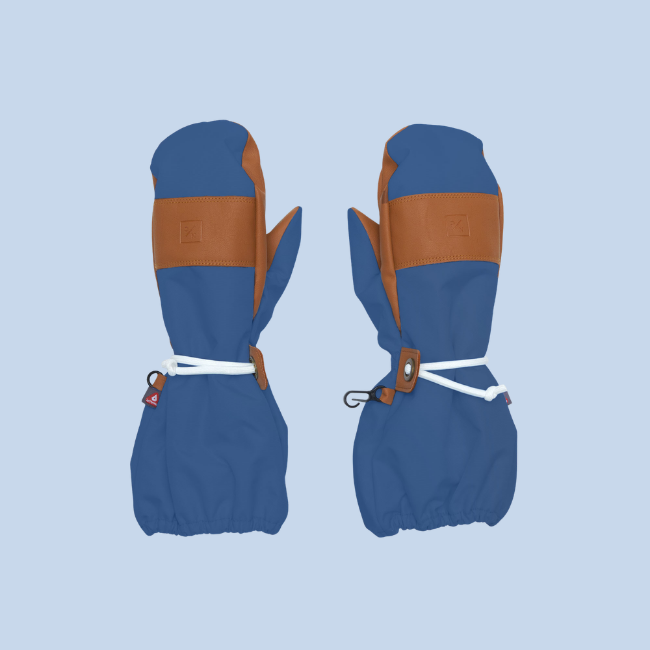
A truly waterproof winter coat or pair of snow pants is designed for more than passing weather. It is designed for the child who sits in the snow to build a fort, falls while learning to ski, kneels on the ground during recess, or turns every puddle of slush into a challenge.
For families who live in snowy climates or spend a lot of time outdoors in winter, waterproof outerwear is usually the better long-term choice because it supports the kind of play children actually do.
Why this difference matters so much for kids
Adults can often adjust around the weather. We stand more carefully, head inside sooner, and have a better sense of our own comfort. Kids are different. They kneel, slide, crawl, tumble, and ignore the fact that they are sitting directly in snow until they are suddenly wet and miserable.
That is why children usually benefit from stronger weather protection than parents initially assume. Even if the forecast sounds mild, active winter play often creates much more moisture exposure than expected.
This is especially true for school recess, sledding, skiing, outdoor field trips, and neighborhood snow play. In those situations, outerwear that only resists a little moisture may not hold up well enough to keep children comfortable for the full outing.
When water-resistant is enough
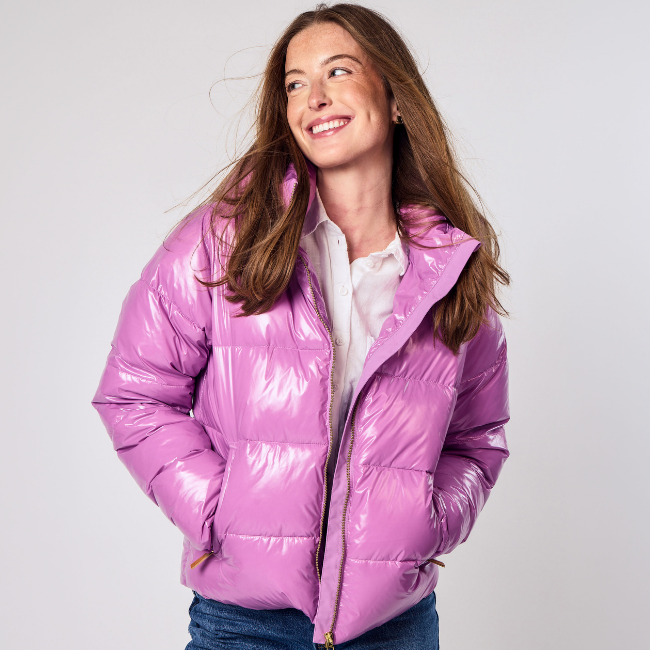
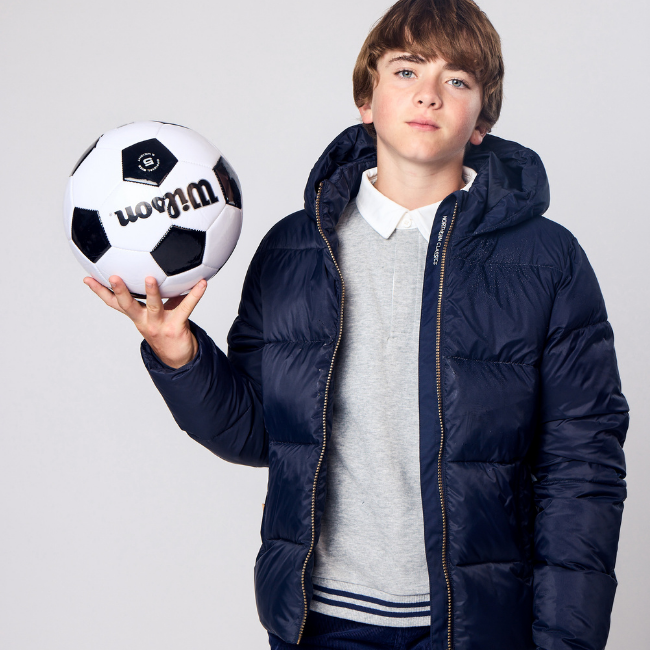
Water-resistant outerwear can absolutely have a place in a child’s closet. It may be enough for transitional weather, dry cold days, quick trips, or lighter layers that are not intended to serve as full snow gear. Puffer jackets, for example, are often great for travel, everyday wear, and milder winter conditions, but that does not automatically make them the best choice for deep snow or repeated wet contact unless they are specifically built for it.
If your child mostly needs a layer for walking into school, running errands, or wearing on dry days with limited outdoor exposure, water-resistant may be enough. It can also be a reasonable feature in pieces meant for convenience and versatility rather than heavy-duty winter performance.
When waterproof is the better choice
If your child plays outside for long stretches, attends winter recess, skis, sleds, or lives somewhere with regular snow and slush, waterproof outerwear is usually the smarter investment. It gives parents more confidence, and more importantly, it gives children a better experience outside.
Winter coats and snow pants that are built for wet weather help prevent the discomfort that cuts play short. They reduce the odds of children coming inside soaked and unhappy. And because they hold up better to active use, they often serve families more reliably across the entire season.
Why the rest of the design matters too
Weather protection is important, but it is not the only thing parents should consider. Warmth, breathability, fit, durability, and thoughtful details matter too. A child who overheats easily still needs outerwear that breathes. A child who is constantly moving needs a fit that does not feel restrictive. A family hoping to pass down gear needs strong construction and lasting quality.
That is why the best outerwear is not only technically capable. It is designed around real children and real winter use.
How to decide what your child actually needs
The easiest way to choose between waterproof and water-resistant is to picture a normal winter week, not a best-case scenario. Think about recess, weekends, school drop-off, snow days, ski trips, and neighborhood play. Think about how long your child is outside and what they actually do once they are there.
If the season includes active snow play, slush, repeated winter exposure, or long hours outdoors, waterproof outerwear is usually worth it. If you are mainly dressing for short, dry outings or transitional weather, water-resistant pieces may be enough in certain parts of the wardrobe.
The bottom line
Water-resistant and waterproof are not interchangeable, especially for kids. Water-resistant works for lighter use and limited exposure. Waterproof is built for the messy, active, and very real ways children experience winter.
For parents trying to simplify the decision, the question is not which term sounds better. It is which one matches your child’s life. The more your winter involves snow, slush, and long hours outside, the more valuable waterproof outerwear becomes.
When outerwear is chosen well, children stay comfortable longer, parents worry less, and winter becomes easier for everyone.


Leave a Comment
This site is protected by hCaptcha and the hCaptcha Privacy Policy and Terms of Service apply.